


 MY ACCOUNT
Walking onto that brick kiln field felt a bit surreal. The heat hits you first – not just the sun, but the kind that seems to bake up from the ground itself. And there, surrounded by literally thousands of drying bricks laid out in neat rows, was Khalid. His light blue shalwar kameez was soaked with sweat from the effort and the heat. His hands were covered in the greyish mud he was shaping into yet another brick. Scoop, slap, smooth, flip. Over and over.
What really got me, though, were his kids. Adeel, who we learned is eleven, and Farhan, just nine. They weren’t off playing somewhere; they were right there with him, carefully turning over bricks that were half-dry so the other side could bake in the sun. Seeing kids that young helping out… well, it makes you think about how easily this kind of life gets passed down.
I’ve been traveling quite a bit for Global Christian Relief, meeting believers in some of the most difficult places to follow Jesus. Pakistan is one of them. You hear the numbers – millions working in these kilns, many of them Christians who don’t have many other options – but seeing Khalid and his boys made it real in a way statistics never can. Their story started like a lot of them do, not with some big mistake, but just trying to do the right thing for family.
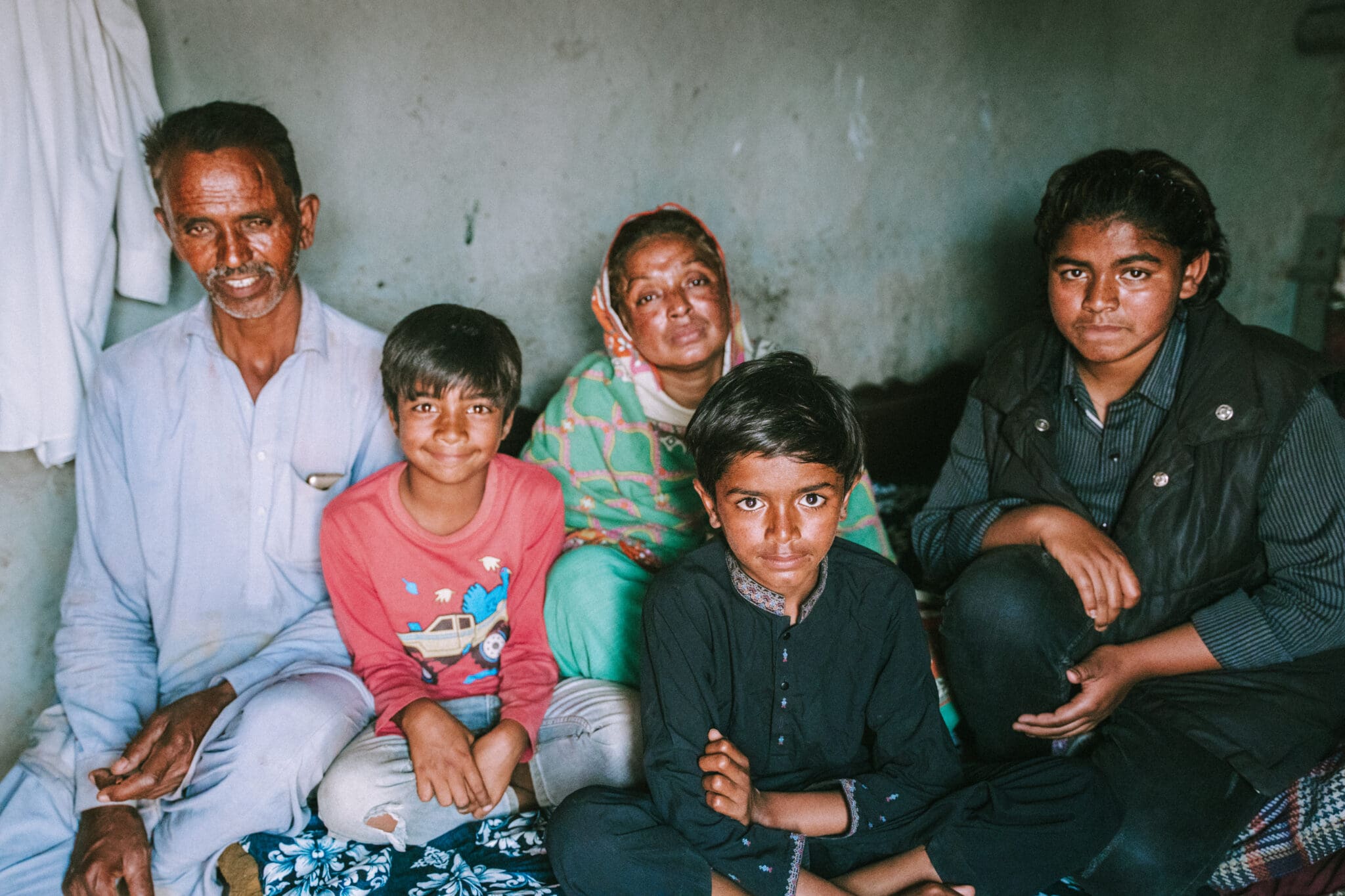
We were sitting on those woven beds, charpoys, in the courtyard outside the single room they call home. It felt calmer there, away from the field. Shabana, Khalid’s wife, had joined us, looking brighter in a colorful scarf.
It was a family duty. The amount wasn’t huge to start – maybe 60,000 rupees, a few hundred US dollars. He figured, like most people do, that they’d work it off quickly.
But that’s the catch with these loans. The pay is incredibly low, and often, part of it goes straight back to the owner for interest. Then, when the rains come and you can’t make bricks, you have to borrow more just to eat. So the debt doesn’t go down, it goes up. Fifteen years later, Khalid, Shabana, and their kids were still there, owing 245,000 rupees – about $875. An amount they simply couldn’t earn their way out of.
Until today.
Earlier, we’d gone with Khalid to the kiln owner’s office. It wasn’t much, just a small room. The owner was younger than I expected; apparently, he took over when his dad died. Khalid stood there quietly as I handed over the check – money given by supporters back home who care about Christian families like his. The owner counted it out, signed a receipt. Just a piece of paper, really. But it meant everything. It meant Khalid and his family were free.
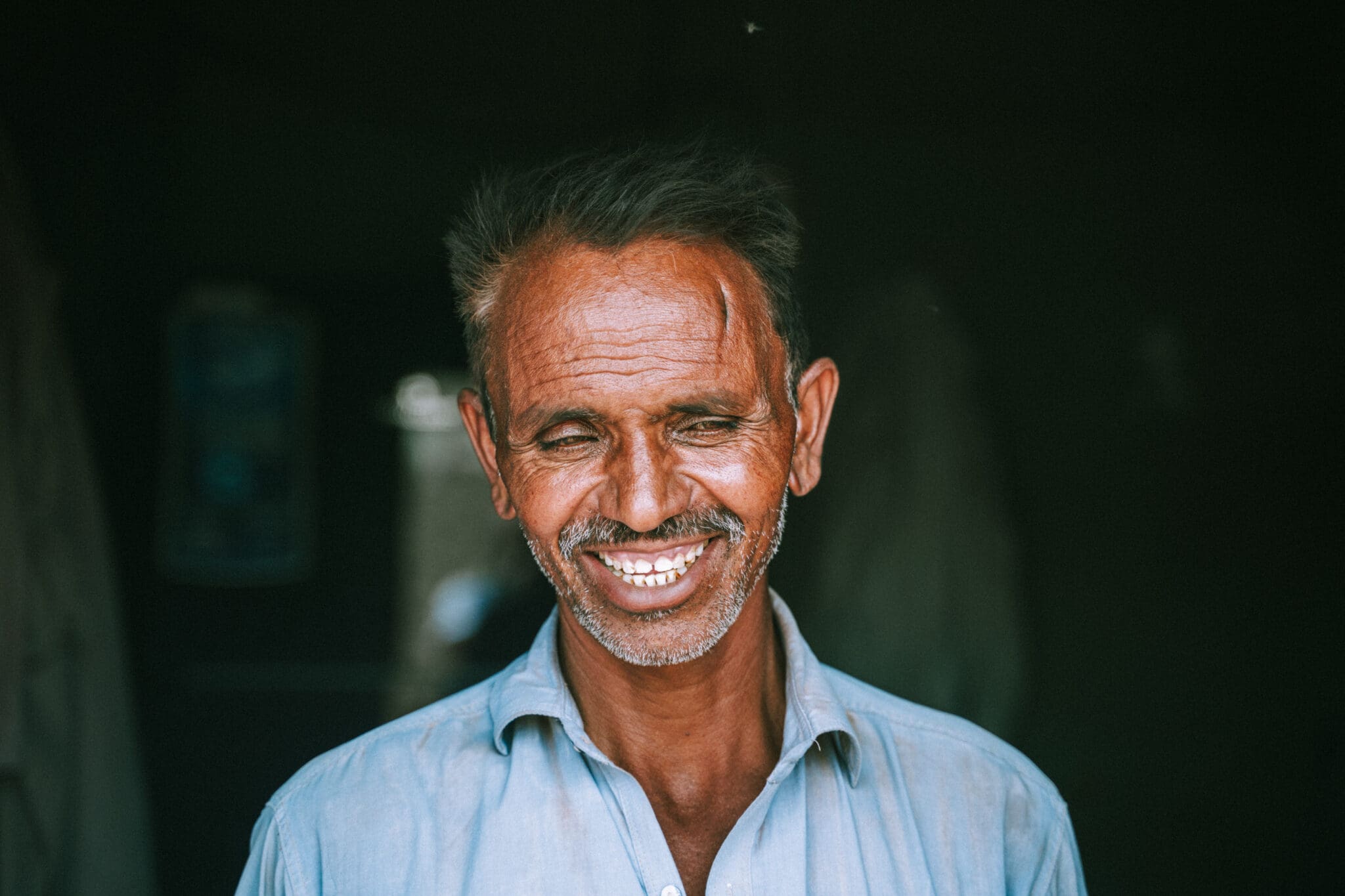
You could see the relief wash over Khalid. A real smile broke through the worry lines on his face.
Back at their place, Shabana laughed and told us Khalid hadn’t slept at all the night before. Khalid admitted he was just thinking about tomorrow, they will come and pay my debt. They’d actually heard a rumor last fall that help might be coming, but then months went by with nothing. You can imagine the waiting, the wondering if it was really true. And now, finally, it was.
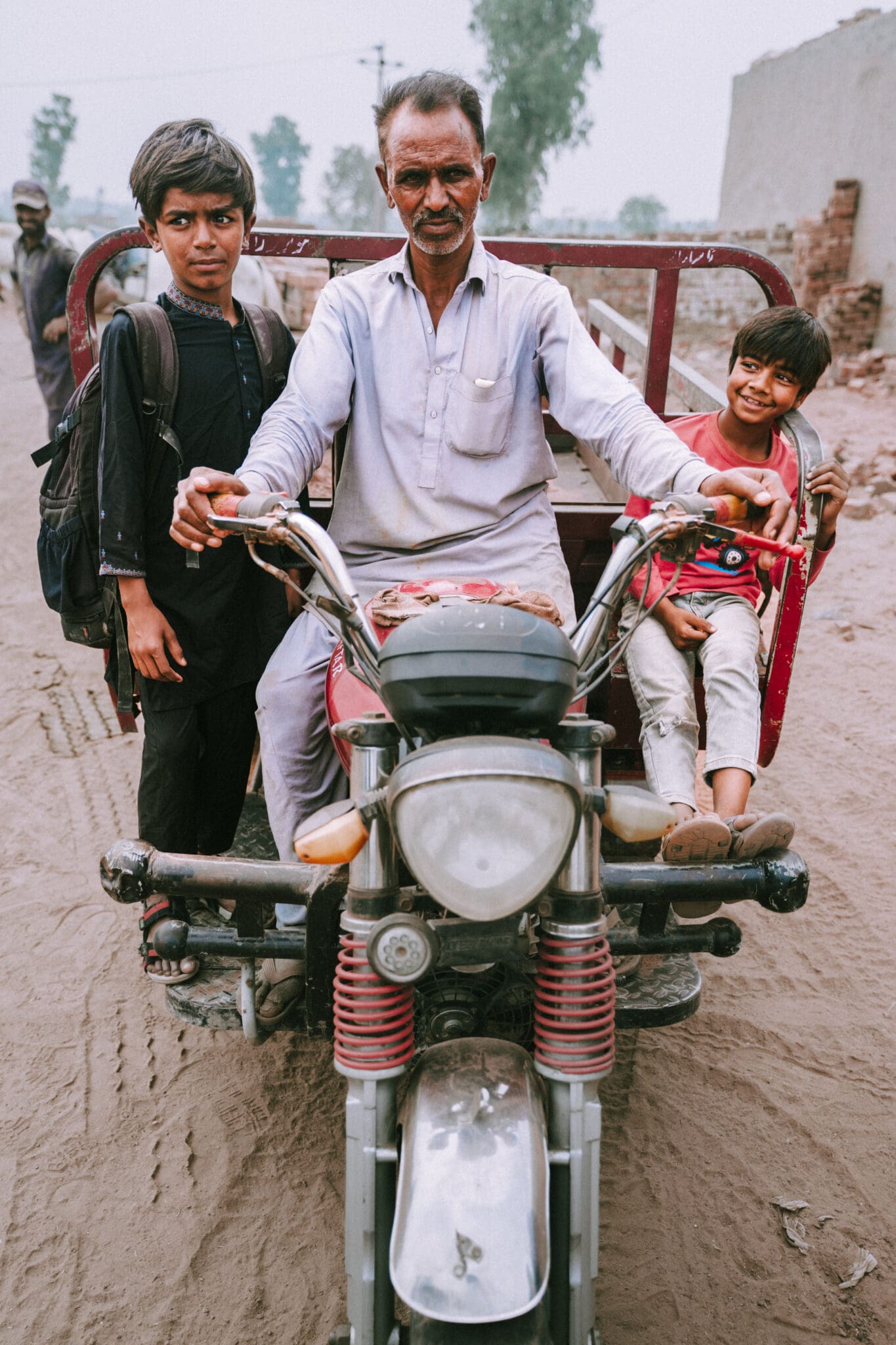
Sitting there, letting it all sink in, we talked about what comes next. Khalid surprised me a little. He said he plans to keep working at the kiln, at least for now. But the difference is huge. Now, he gets his full pay. No more deductions for debt.
It wasn’t just talk. You could see that hope reflected in the kids when we asked them what they dreamed of doing someday. These weren’t just daydreams anymore. Adeel, the serious eleven-year-old, said he wanted to own his own business. Bilal, who’s thirteen, wants to be a police officer. And little Farhan, maybe taking a cue from his brother, also wanted a business, but added he wanted to help the poor. Pretty amazing aspirations, suddenly feeling within reach.
Their faith seemed woven into the fabric of their lives, something that had kept them going. They mentioned watching Christian programs on TV when it worked. It made me think about how faith sustains people in ways that are hard to quantify. Which brought me to my next question. “Okay,” I asked, “God answered your big prayer for freedom. What’s the next prayer? What can we pray for you now?”
Honestly, I expected him to list practical things first – health, the kids’ schooling, maybe finding different work eventually. And he did mention those things. But they weren’t the first thing he said.
“`
That stopped me for a second. His very first prayer, right after getting free himself, wasn’t for himself. It was for everyone else still stuck in the same situation he’d just escaped.
Fifteen years of hard labor and debt hadn’t made him bitter or focused only on his own survival. It had somehow given him this deep sense of connection to other believers going through the same thing. It wasn’t about his own needs first. It was for the others still stuck. That really stayed with me. It felt less like a grand statement and more like a simple, honest reflex of his heart – thinking of others even as his own burden was lifted.
Khalid’s prayer feels like a quiet challenge. His family is just one. There are thousands of kilns in Pakistan, thousands of families, many of them Christians, still hoping for a day like this. Their freedom came about because people decided to act, supporting GCR’s work that combines paying off debt with practical help like income generation projects and financial training – our Blueprint for Freedom.
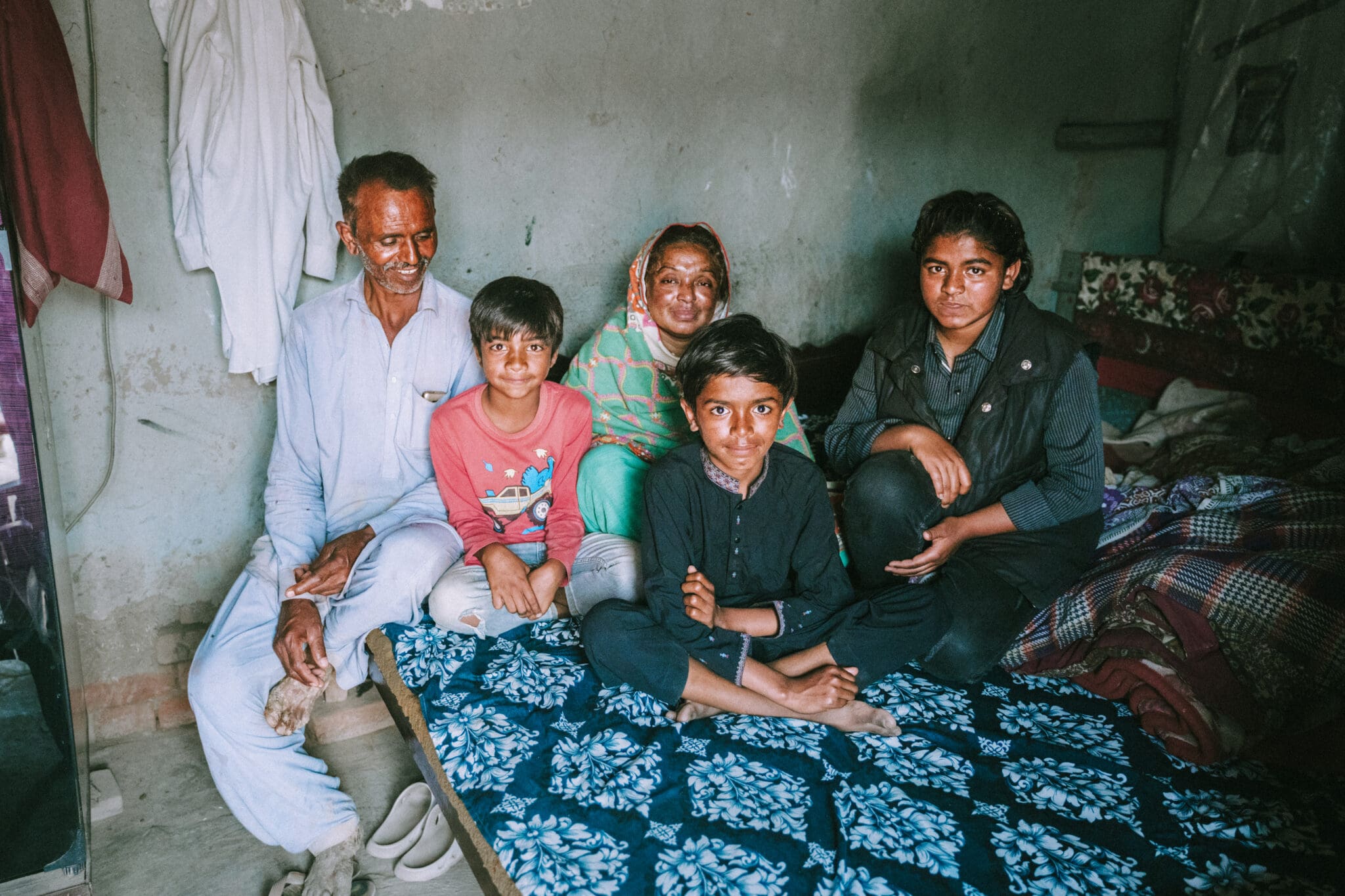
Seeing them standing together in their courtyard as we got ready to leave – Khalid, Shabana, Adeel, Bilal, Farhan – it wasn’t just a picture of a freed family. It felt like a reminder of shared humanity, of prayers answered, and maybe, of the prayers still waiting to be answered. Khalid’s simple, outward-focused prayer reminded me of that verse in Hebrews about remembering those in prison as if we were there with them.
Global Christian Relief hopes to help 100 more families like Khalid’s find freedom this year. His story, and especially that first prayer, makes you think: What about all the others still waiting, still praying? How do we become part of their answer too?
Maybe you can help write the next story of freedom.
“`
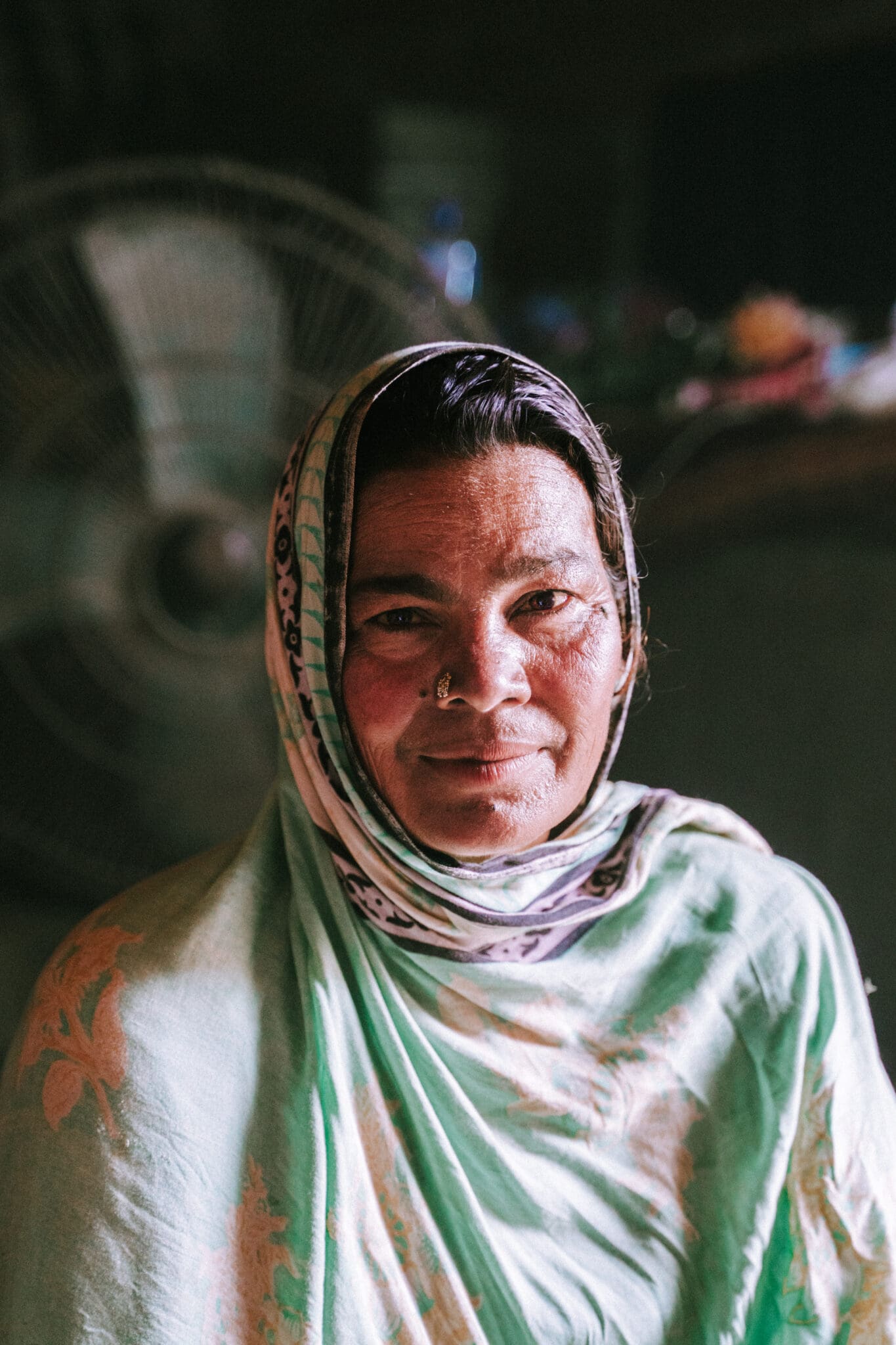
Your support helps write a new story for Pakistan Christians like Khalid, Shabana, and their families. Partner with us today to help more Christian families break free from generational debt.
