


 MY ACCOUNT

The story of Christian persecution in the Roman Empire is one of resilience, faith, and ultimately, triumph. Despite the challenges faced by early Christians, the seeds of the Christian church flourished and grew into a global faith.
But why were Christians persecuted in Rome? What led the mighty Roman state to view this small but growing Christian community as a threat? Let’s explore the reasons behind the persecution of Christians, the historical context, and the legacy of faith that emerged from these trials.
The Roots of Christian Persecution in Rome
Christian persecution in Rome began as early as the 1st century AD. At this time, the Roman Empire was steeped in polytheism, worshipping a pantheon of Roman gods. Religion wasn’t just a personal belief system—it was deeply intertwined with the Roman state. Public worship, sacrifices, and the imperial cult (the worship of the Roman emperor as divine) were seen as essential to the well-being of the empire.
The Christian faith, however, challenged this structure. Early Christians refused to worship Roman gods or participate in sacrifices to the emperor. They believed in one God and followed Jesus Christ, whom they called the Son of God. This refusal was viewed as subversive, even treasonous, to the Roman way of life.
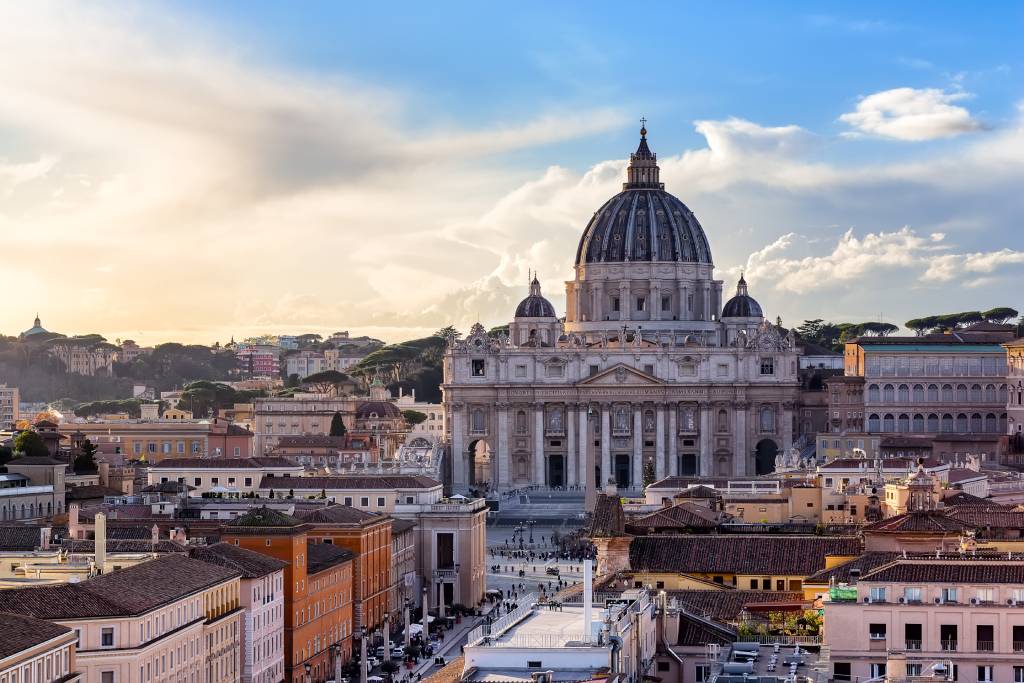
Why Were Christians Persecuted in Rome?
Religious Differences
The exclusivity of Christianity clashed with the Roman religion. While Romans were open to incorporating new gods into their pantheon, Christians refused to acknowledge any deity but their own. This rejection of the Roman gods and the imperial cult made Roman leaders falsely claim that Christians were defiant and disrespectful.
Social Misunderstandings
Early Christian communities forced to meet in secret, leading to suspicion and rumors. Roman citizens intentionally tried to misrepresent Christian practices, including the Eucharist, accusing them of immoral acts like cannibalism and incest. These false accusations fueled fear and distrust of the Christian community.
Political Concerns
Leaders of the Roman state saw themselves as dictatorial rulers over the social order. Christians’ refusal to honor the Roman emperor as divine and their rejection of traditional Roman values led Roman governors to view them as a destabilizing force.
The Great Fire of Rome and Emperor Nero
One of the most infamous episodes of early Christian persecution in Rome occurred during the reign of Emperor Nero. In AD 64, a massive fire—later called the Great Fire—swept through Rome, destroying much of the city. To deflect blame, Nero accused Christians of starting the fire. This marked a significant moment for the heightened persecution of Christians in the Roman Empire.
- Christians were executed in brutal ways, including being burned alive and fed to wild animals.
- Nero’s actions set a precedent, casting Christians as scapegoats during times of crisis.
- Despite this, the Christian church continued to grow, even under the threat of death.
The Role of Roman Governors and Emperors
The persecution of Christians wasn’t always empire-wide; it was often localized and driven by Roman governors or specific emperors. For example:
- Emperor Trajan (r. 98–117) set guidelines for dealing with Christians. In a famous exchange with Pliny the Younger, a Roman governor in modern-day Turkey, Trajan instructed him not to seek out Christians actively but to punish those who refused to renounce their faith. This policy created a precarious situation for early Christians, who faced execution if they openly practiced their beliefs.
- Other Roman emperors, like Decius and Diocletian, launched more aggressive campaigns against Christians. These rulers sought to enforce loyalty to the Roman state through mandatory sacrifices, which Christians refused to perform.
Key Challenges Faced by Early Christians
The early Christian church grew in a society that viewed it as a threat, facing numerous challenges along the way. Christians were often socially ostracized, as their refusal to participate in public festivals and sacrifices led others to see them as anti-social and unwilling to integrate into worldly Roman culture.
They also faced severe legal punishments—declining to worship Roman gods or the emperor was considered a punishable offense, often resulting in imprisonment or worse. Many early Christians, including prominent Christian leaders, chose martyrdom rather than renounce their faith, demonstrating an unwavering commitment that inspired others even in the face of death.
The Growth of Christianity Amid Persecution
Despite the persecution of Christians, the Christian church flourished. How did this happen?
- Faith in Jesus Christ: The message of salvation through Jesus resonated with people from all walks of life.
- Community Support: Christian communities provided care and support for their members, creating a sense of belonging and reflecting the love of Christ.
- Martyrs’ Example: The courage of martyrs inspired others to explore Christianity. Their willingness to die for their faith demonstrated the strength and sincerity of their beliefs.
Christian Persecution Across the Empire
Christian persecution in the Roman Empire wasn’t confined to Rome. Across the empire, including in North Africa and other regions, Christians faced trials for their faith. Roman governors enforced the laws, but the Christian community remained resilient.
For instance, in North Africa, where Christianity spread rapidly, Roman officials struggled to suppress the movement. Despite threats, Christians stood firm, proclaiming their faith in the face of persecution.
The Turning Point: Legalization of Christianity
For a time, the persecution of Christianity lessened in the early 4th century. Two key moments marked this shift:
- The Edict of Milan (AD 313): Issued by Emperor Constantine and co-emperor Licinius, this decree legalized Christianity and granted religious freedom across the empire.
- Christianity Becomes the Official Religion: By the end of the 4th century, Christianity had become the official religion of the Roman Empire.
A Legacy of Faith
The early Christian persecution in the Roman Empire left a powerful legacy. It showed the strength of faith and the enduring power of Jesus Christ’s message: one based on love, forgiveness, hope, redemption and more. The courage of early Christians, from humble believers to influential Christian leaders, paved the way for the growth of a global faith.
As the Bible reminds us, “Blessed are those who are persecuted because of righteousness, for theirs is the kingdom of heaven” (Matthew 5:10). This promise sustained countless believers through trials and tribulations, ensuring that the light of Christianity continued to shine.
The Bottom Line
Christian persecution in the Roman Empire was driven by political, social, and religious factors. Early Christians refused to conform to the demands of the Roman state, choosing instead to remain faithful to Jesus Christ. While they faced immense challenges, their steadfastness laid the foundation for the thriving Christian church we know today. Their story is a testament to the power of faith and the resilience of the human spirit.
