


 MY ACCOUNT
At A Glance
Two former political prisoners explain how you can pray for Iranian believers in these uncertain times.
- One speaks from the perspective of a turning point that is not yet freedom.
- The second says that beneath the joy and rage, the fear and anxiety, lies quiet anticipation of what might be.
- While global powers debate strategy, underground believers are still following Christ – and they need your help.
This weekend, the world woke up to seismic news out of Iran.
Military strikes and regional escalation. The death of Ayatollah Ali Khamenei – a leader who shaped Iranian politics and religious life for decades.
Analysts are debating what it means. Governments are calculating next steps. Markets are reacting.
But inside Iran, ordinary people are simply trying to breathe.
So instead of turning first to commentators, I reached out to two Iranian Christians, both former political prisoners, and asked a simple question:
How should we pray?
What they shared deserves to be heard.
"The Structure of Repression Remains"
*Farid, an Iranian Christian man who was imprisoned and tortured because of his faith and involvement in evangelism, did not speak in political slogans.
He spoke as someone who has lived inside the system.
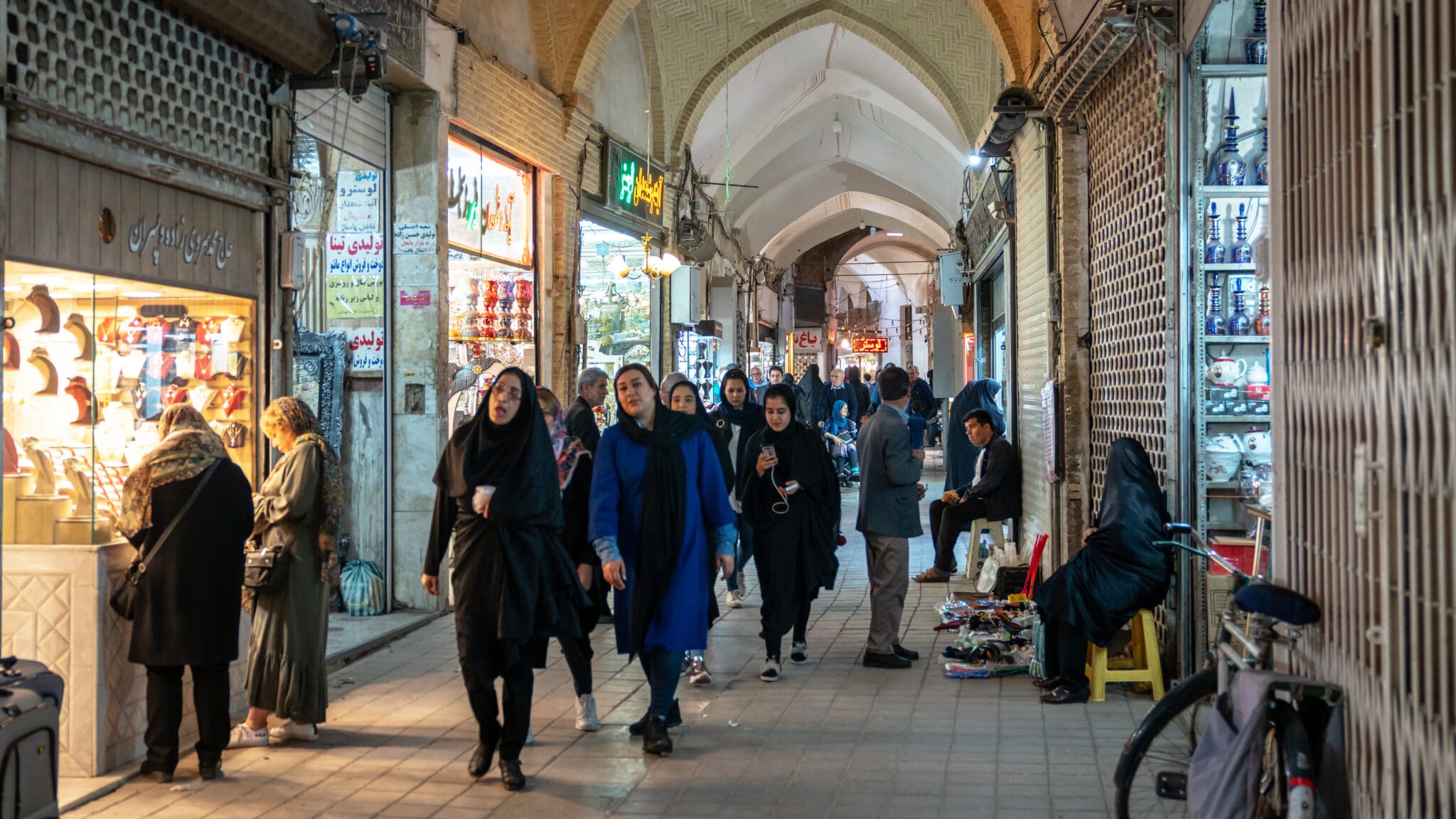
Christians are a small minority in a nation of roughly 90 million people. Since the Islamic Revolution in 1979, the Church has lived under constant pressure. Believers have been monitored, detained, interrogated. Some have been executed. Many have suffered quietly for decades.
*Farid was among those imprisoned.
For many Iranians – including Christians – the news of Khamenei's death brought relief. In some cases, even joy. For those who endured years of repression, his name was not abstract. It was personal.
But *Farid was sober about the moment.
"The death of one leader is only a crack in a much larger wall," he told me. "Iran is still controlled by a militarized system rooted in extremist ideology."
In other words, this is a turning point. But not yet freedom.
And so he asked us to pray.
- Pray for those still in prison.
- Pray that the wall will fall, as the Berlin Wall once did.
- Pray that Iranians of every belief will one day live without fear.
"We Are Carrying Many Emotions at Once"
*Laleh, an Iranian Christian woman who has lived in exile for 10 years, described this moment as deeply contradictory.
"Confusion, fear, anger, grief," she said. "But also relief."
She spoke of refugees who sold everything to flee. Families separated for decades. Friends who may never return home.
"We would have preferred justice in a courtroom," she told me. "We wanted accountability."
Even in death, wounds reopen. She described people feeling joy and rage in the same moment. Some feel hopeful. Others fear what instability might unleash. Many are anxious about what comes next.
And yet beneath it all, she described something quieter.
Anticipation.
A belief that one day Iranians may walk freely through their cities again. That they may show their country to their children without shame or fear.
This Is When the Church Needs Us Most
Moments of political upheaval are often the most dangerous for believers.
Instability can lead to crackdowns. Internet blackouts. Heightened suspicion. Arrests. Retaliation.
The Church in Iran has endured pressure for decades. When systems shake, vulnerable communities often feel it first.
This is not the moment to merely analyze.
This is the moment to pray.
Scripture tells us, "And pray in the Spirit on all occasions with all kinds of prayers and requests… always keep on praying for all the Lord's people." (Ephesians 6:18)
This is one of those occasions.
- Pray for protection over believers inside Iran.
- Pray for those imprisoned for their faith.
- Pray for wisdom in whatever transition may come.
- Pray that true peace, not just political change, would take root.
We are one Church. One family.
When one part trembles, we do not stand at a distance.
Beneath the Headlines, the Gospel Is Still Moving
Just days before this weekend's escalation, we shared the story of a woman named *Bita – a believer inside Iran who quietly shared her faith with two nurses in the middle of national turmoil.
That conversation did not happen in safety.
It happened under pressure. In a country where following Jesus can lead to interrogation or imprisonment.
And yet she spoke.
That is the Church in Iran.
While global powers debate strategy, underground believers are still discipling. Still gathering. Still sharing Christ in hospital rooms and living rooms.
If you haven't read *Bita's story, I encourage you to take a few minutes to do so. It offers a window into what faith truly looks like inside Iran right now:
Read: Iran's Secret Church Rising
The headlines will keep changing.
The Gospel will not.
And as Iran enters a new and uncertain chapter, our brothers and sisters are still there.
Let's stand with them in prayer.
*Names changed for security reasons.
Secret Believers When Faith Must Stay Hidden, Hope Must Not
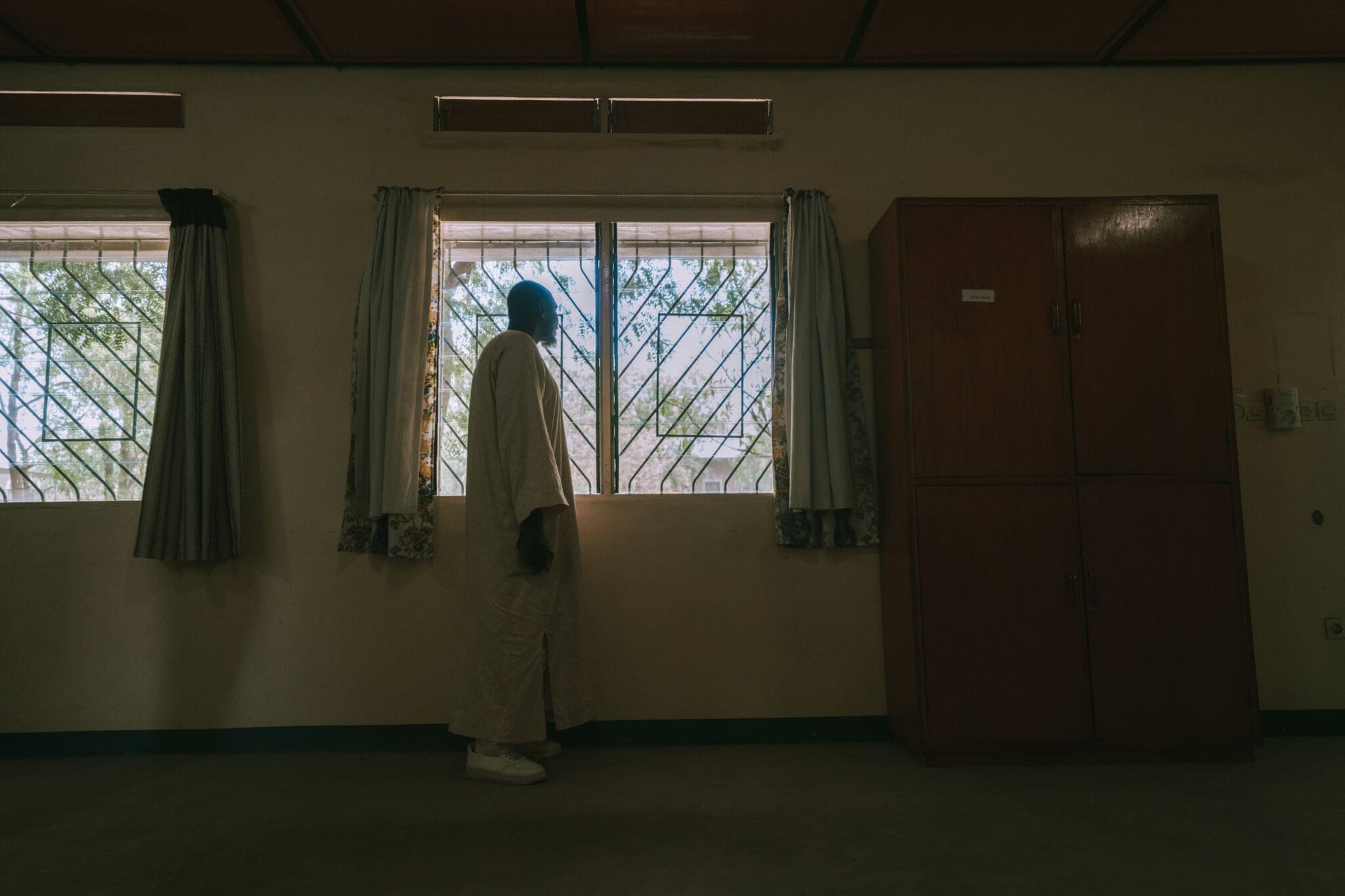
Across the Muslim world, men and women are encountering Jesus in hidden places – through a dream, a late-night search, or a quiet conversation with a local believer. But when someone chooses to follow Christ in secret, the cost of their decision can be immediate: family rejection, social isolation, and real danger.
Learn more about how you can support secret believers and help ensure no follower of Jesus ever stands alone.
