


 MY ACCOUNT

On June 17, two girls and one boy walked into a tea hall in northern Nigeria. They were wearing suicide vests. When the vests were detonated, at least 30 people died in the explosion. What would make three children do such a horrible thing? These children were abducted by Boko Haram and forced to become human weapons in the evilest way imaginable. It’s an unthinkable terrorist tactic and it’s not a rare story.
A shocking statistic
The UN recently stated that since 2009, an estimated 8,000 children have been abducted by Boko Haram. And according to a UNICEF report, at least 117 of these children have been used as suicide bombers since 2017—and more than 80 percent of them are girls.
I can barely allow my mind to picture the moments before the explosion when Boko Haram militants slipped the vests onto these dear children and forced them to walk into the crowded tea hall before they pushed the button to end their lives—and the lives of so many others.
It’s so challenging to think about these things. Especially as a parent. But it’s important to know they are happening.
Meet the Children of Nigeria
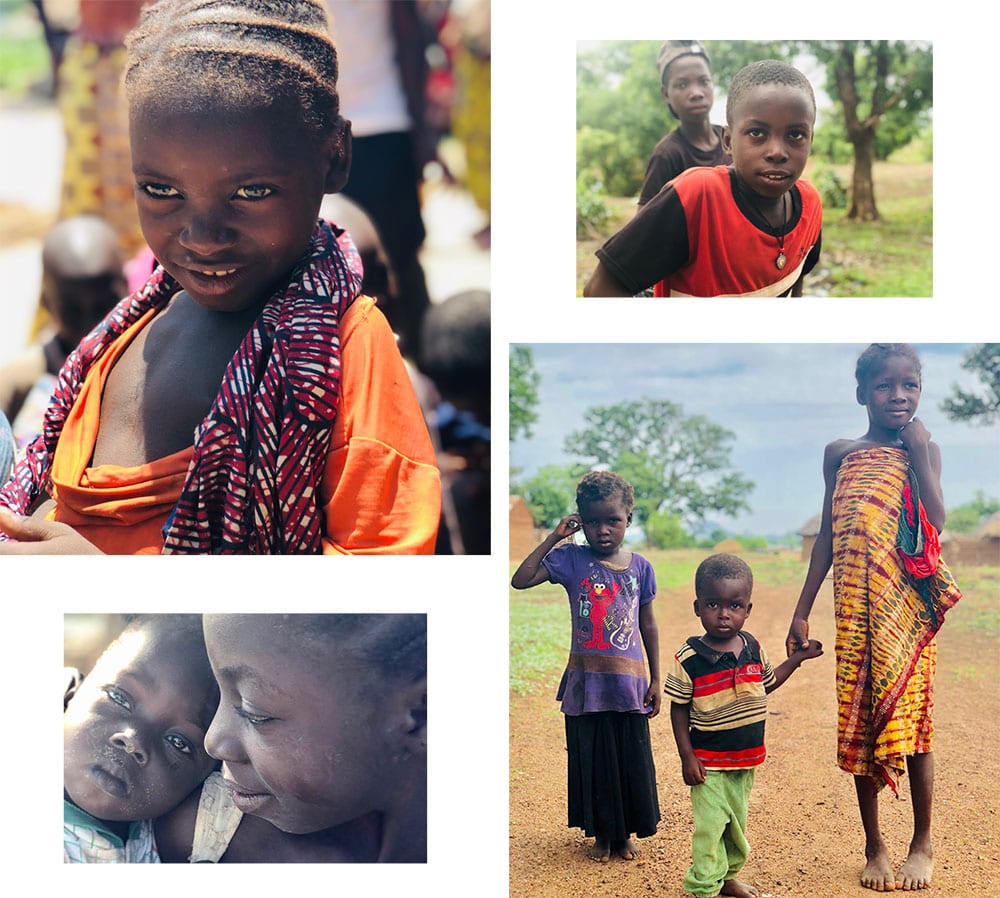
I recently returned from a trip to northern Nigeria where I met so many Nigerian women and children. Children laughing, cooking, playing soccer and girls braiding each other’s hair; women tending to their farmland, sewing dresses, fetching water, often with babies in a pouch on their backs.
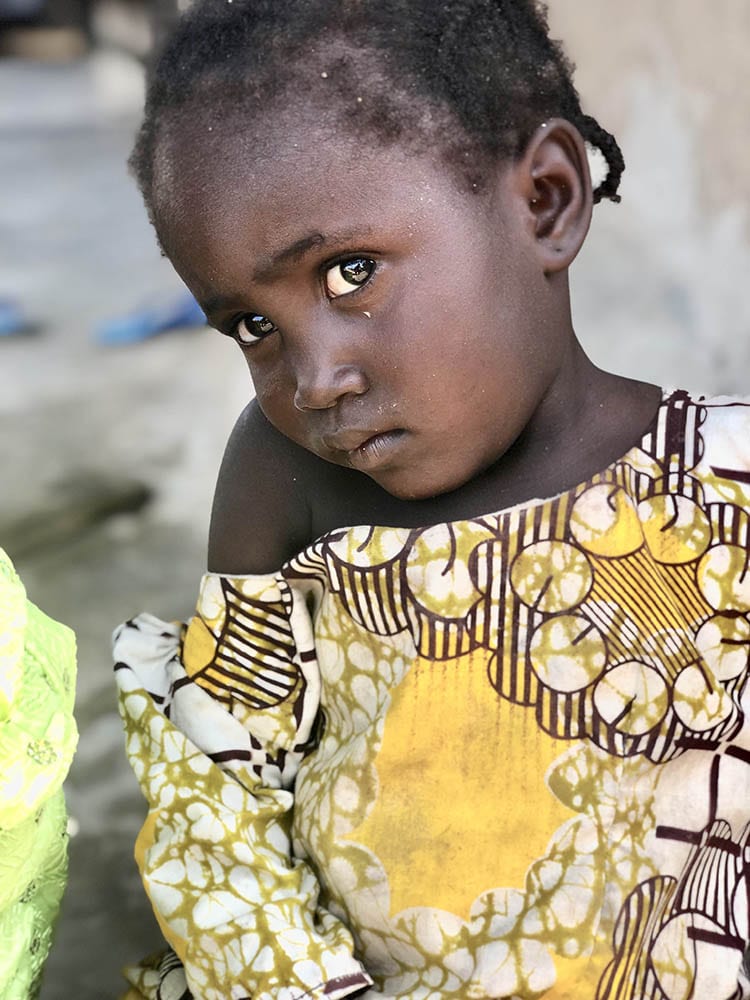
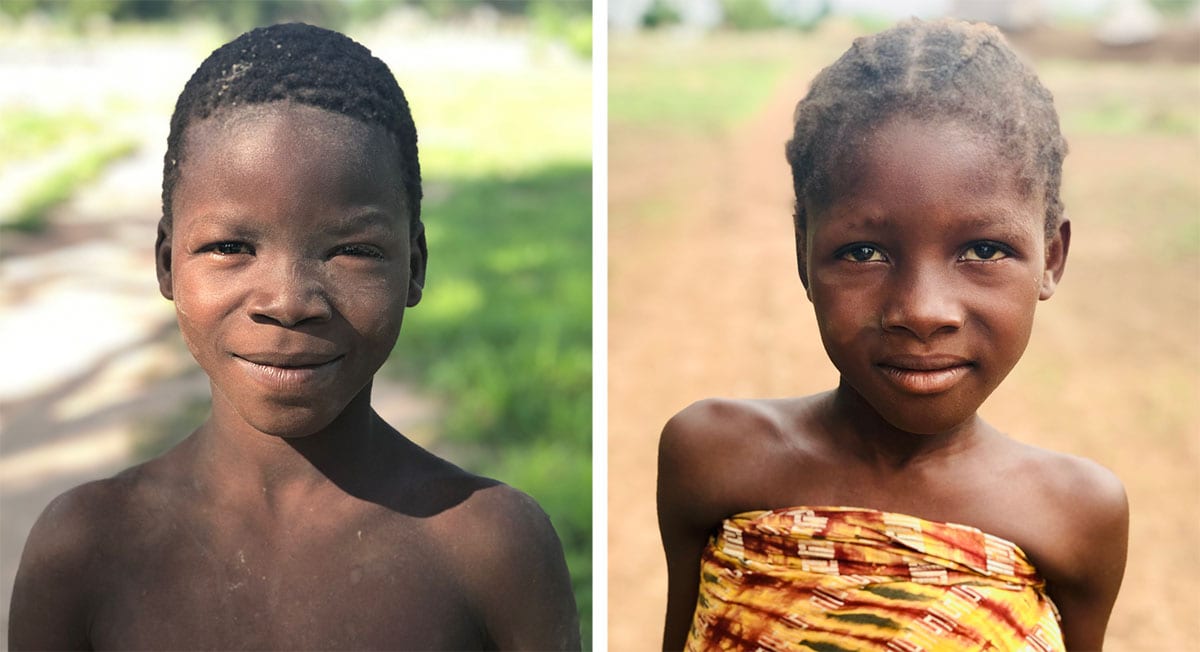
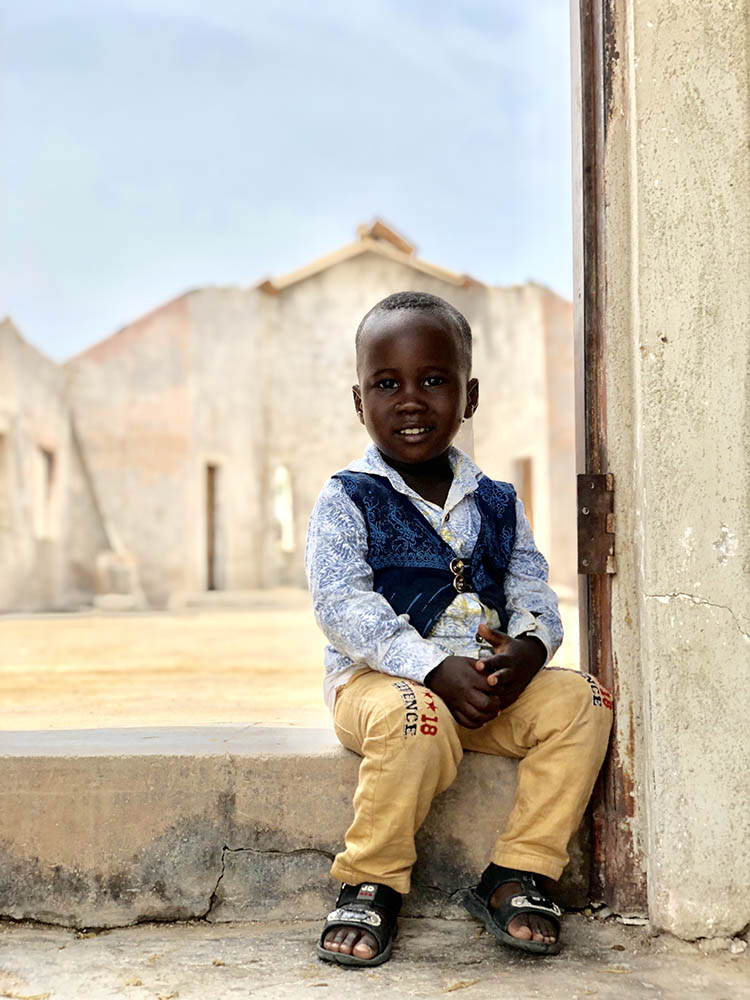
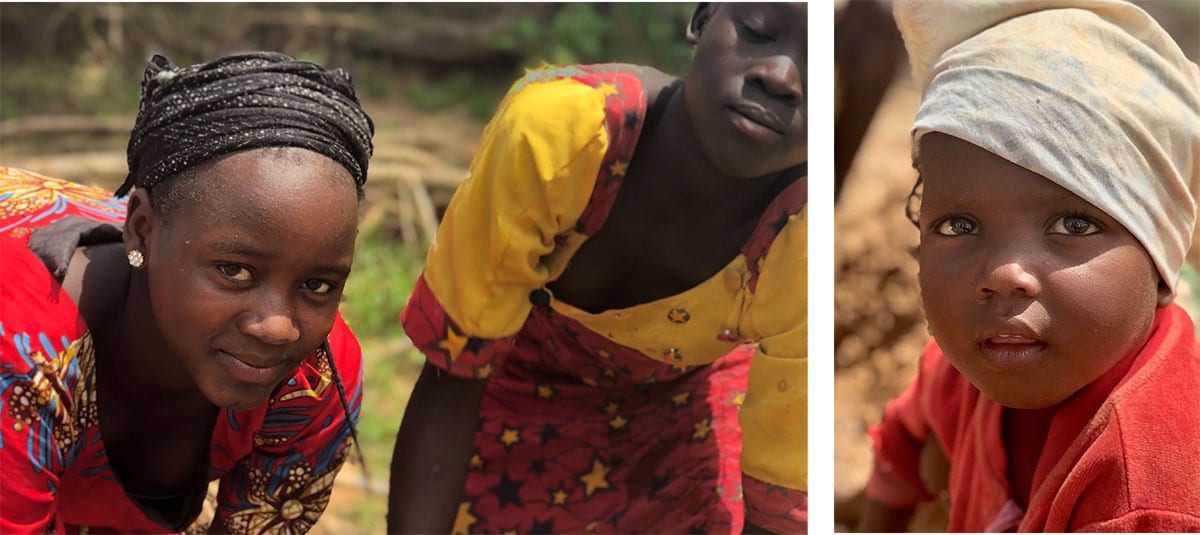
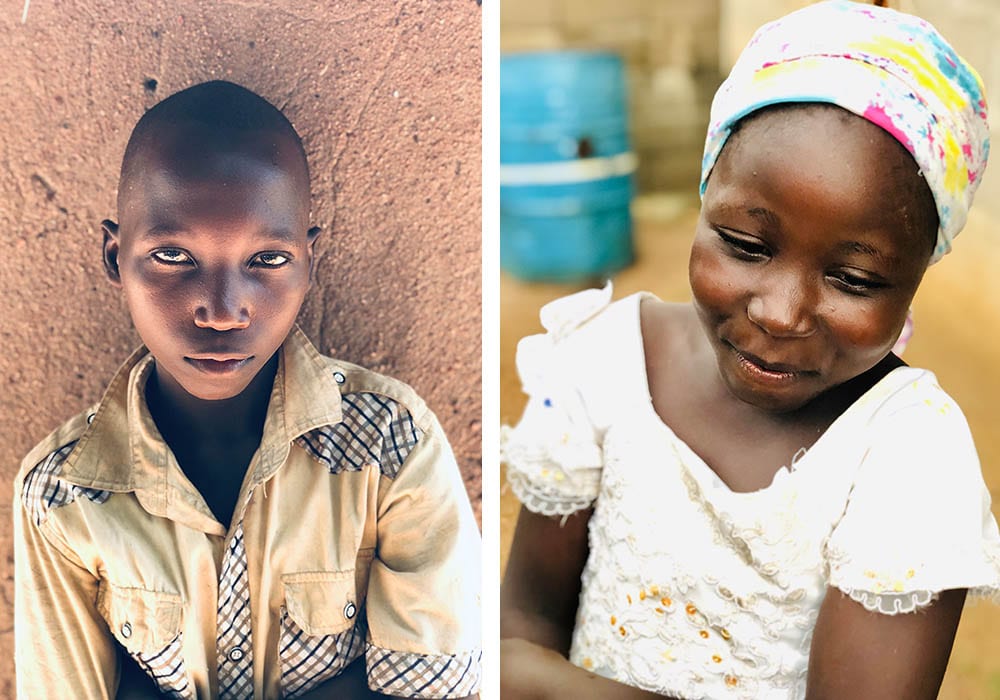
All of the children in these images have been persecuted by extremists, mostly Boko Haram. Some have had their villages attacked. Others had their homes destroyed. Fathers killed. Mothers or siblings abducted. Their churches burned. Their lives forever changed in some way or another.
It’s a powerful reminder that the spiritual battle we’re in is real. As real as the suicide vests Boko Haram prepares for innocent children.

The Impact of Boko Haram
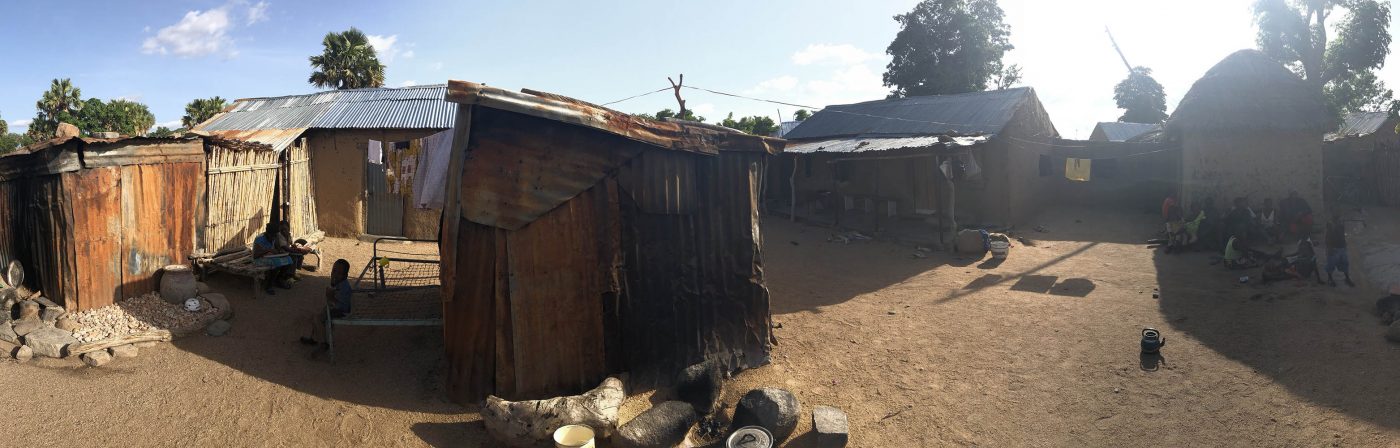
All of the children in these images live in northern Nigeria—where the threat of another Boko Haram attack continually lingers like the mist on the mountains surrounding their villages.
Some of the villages we visited had been attacked up to three times in recent years. The faces you see below represent so many children across northern Nigeria who could become a Boko Haram statistic—unless things change in the area.
It’s clear we have an enemy. Satan is active in this world and he works through systems, powers and people to steal, kill and destroy. Boko Haram is just one of his tools in the battle to destroy the church.
But as believers, we know that’s not where the story ends.
Walking through bombed-out churches in Nigeria can easily make you think, on the surface, the darkness is winning. But when you see what’s happening right beside the rubble, it changes everything.
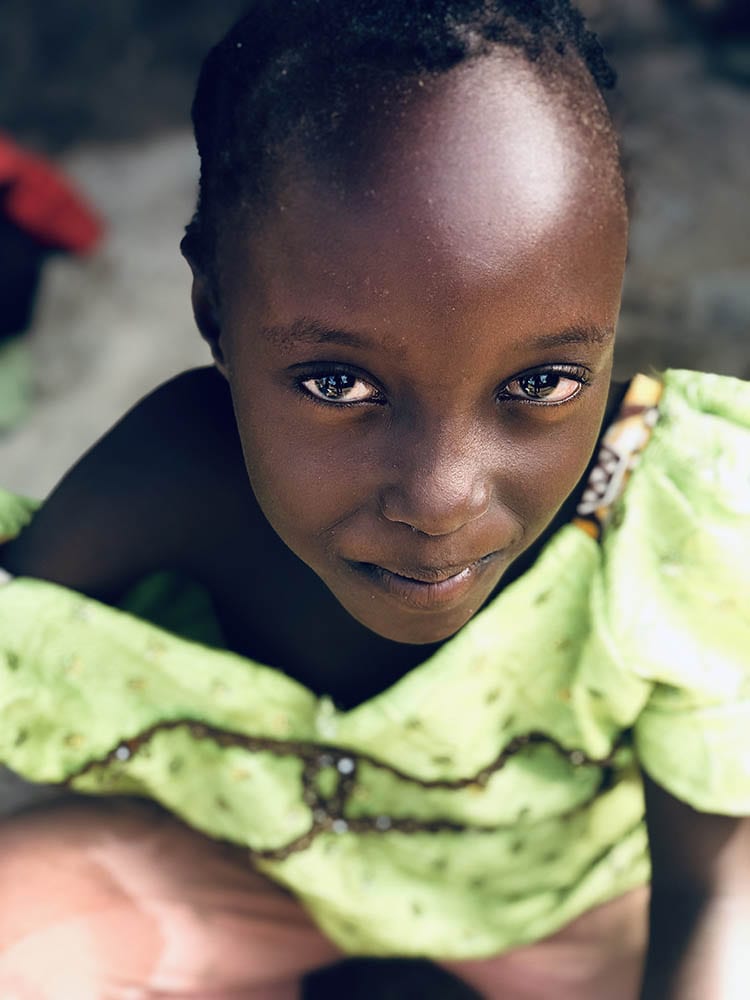
The dark statistics about Boko Haram tell one side of the story, but there’s another side that’s moving with force and beauty in the midst of suffering.
Families are still following Jesus—amid dangerous threats and violence.
Pastors are shepherding their people in make-shift shelters next to burned down and bombed-out churches.
Families are praying and learning to read their Bibles together.
Homes are being rebuilt.
Churches are being raised back up.
Enemies are being prayed for and the name of Jesus is being lifted up.

Finding Hope
So please don’t look away when you see or hear about the terror and persecution your Christian family is going through in places like Nigeria. Instead, I invite you to step into their stories fully—to pray, support, advocate and partner with them for the gospel.
Because as a believer, caring for the persecuted is already in your DNA.
Continue to pray for the protection and perseverance of your persecuted family in Nigeria:
- Pray for Christian women, your sisters, to be given the freedom to raise their children without the fear of attacks, abduction and rape.
- Pray for the young children who are often Boko Haram targets for kidnapping, forced labor and even suicide missions. Pray that God gives them the freedom to follow Jesus, receive an education and to experience the safety and security that so many of us have daily, here.
- And pray for the future of the church in Nigeria—that the gospel would continue to spread through the voices of these young children for generations to come.
