


 MY ACCOUNT
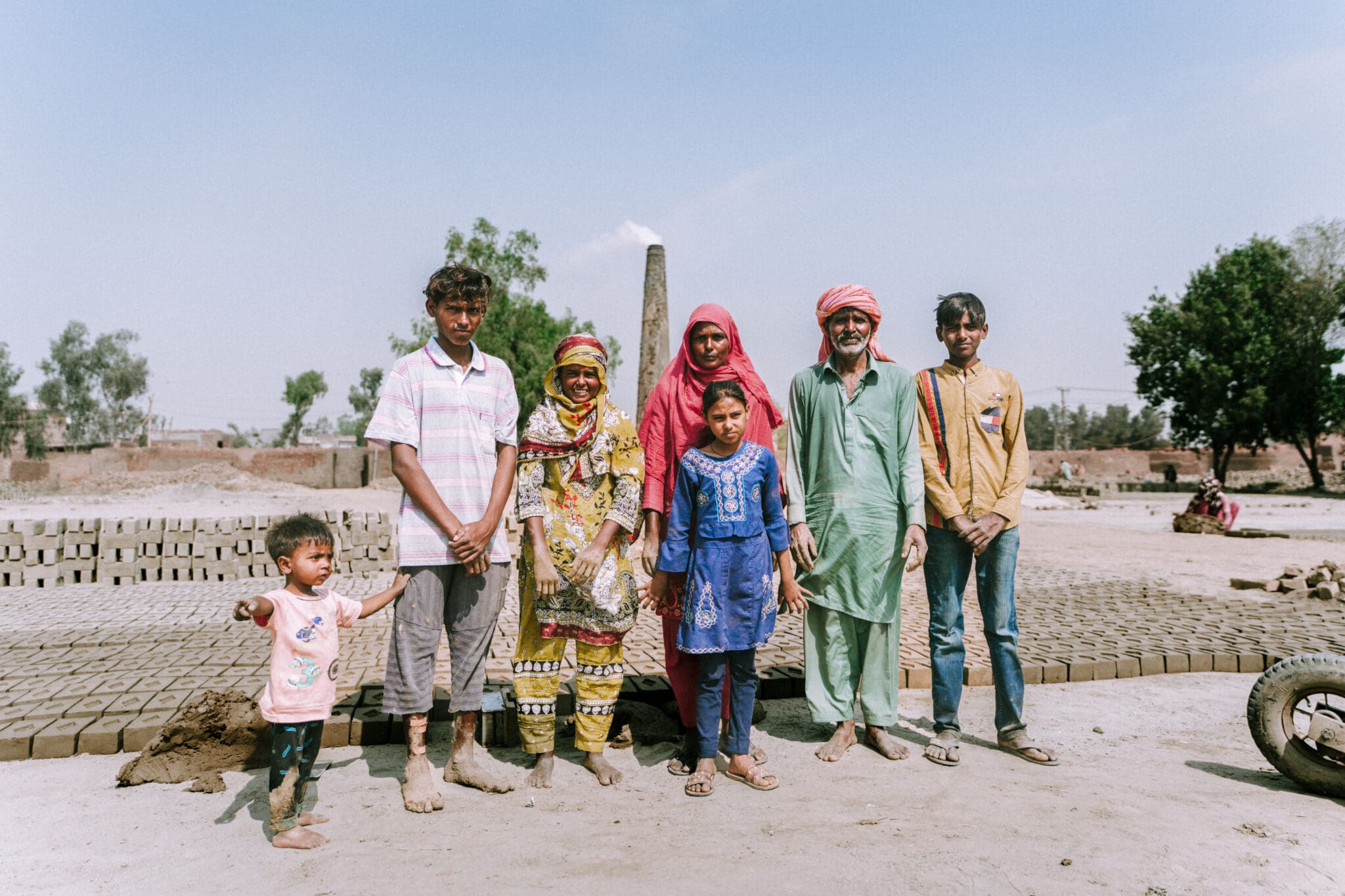
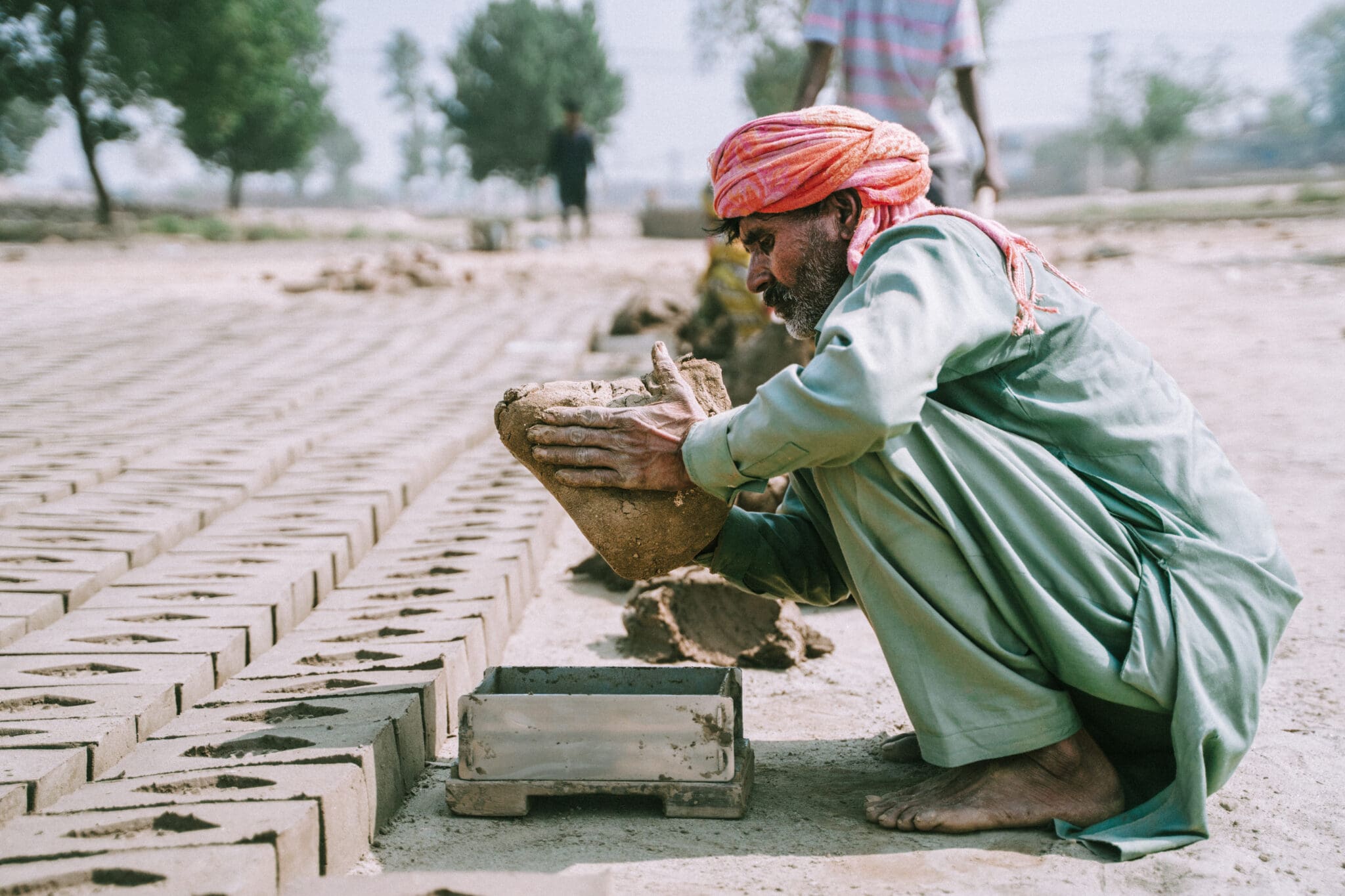
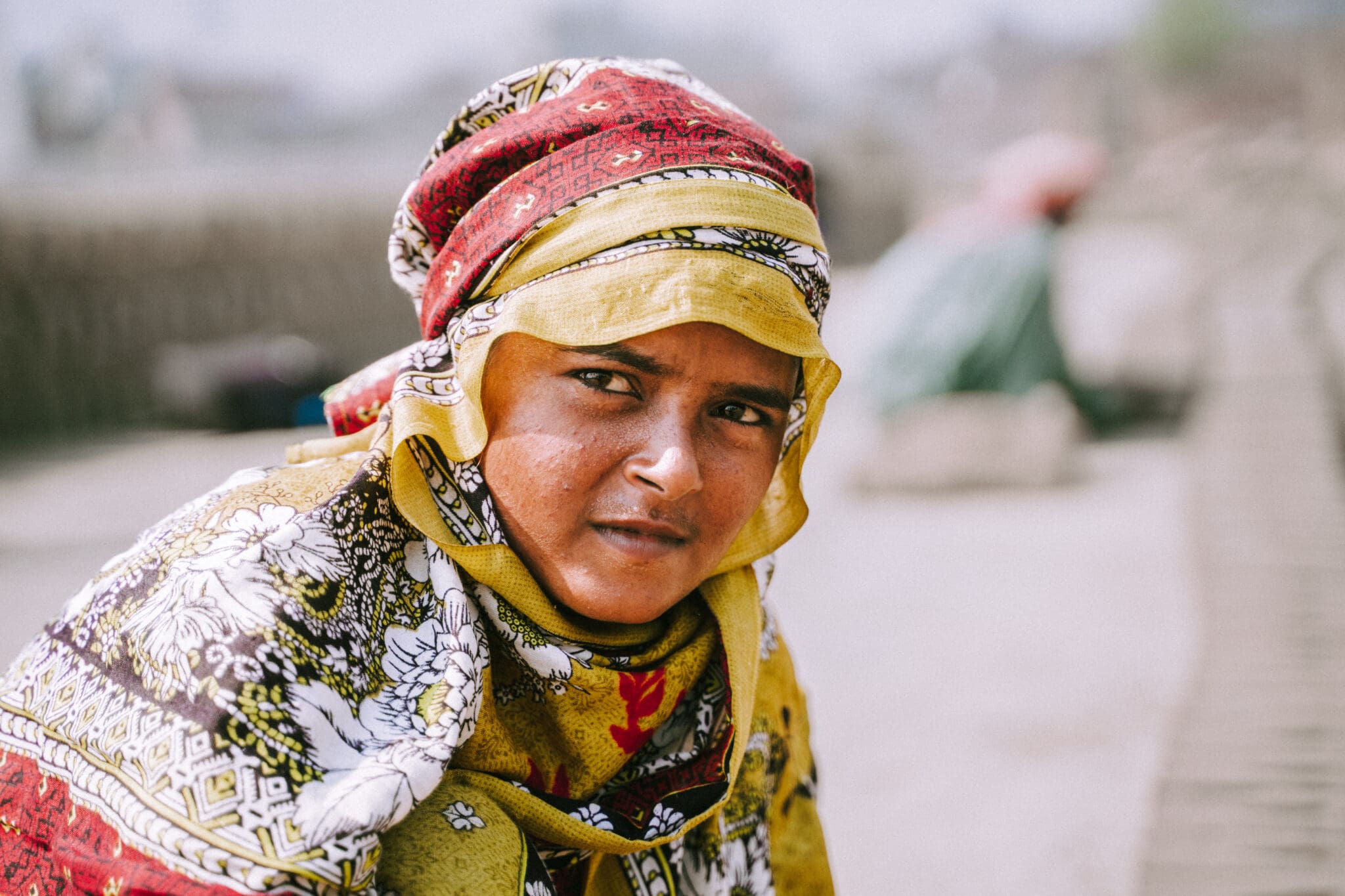
The sweat had soaked completely through Raheel’s light green kurta when we found him in the fields. His head wrapped in a traditional scarf, he stood surrounded by thousands of freshly made bricks baking under the hot sun. Twenty-five years of labor were etched into the lines of his face. Nearby, one of his older sons shoveled mud onto a wheelbarrow, the strain evident in his movements. His legs were wrapped in bandages layered across his shins—casualties of the unrelenting work that defined their existence. Beside them worked Raheel’s wife, Ruth, striking in a bright red shalwar kameez and head covering, her ready smile a contrast to the harsh conditions.
I had come to Pakistan to witness firsthand the reality of bonded slavery in the brick kilns. What I found in Raheel and Ruth’s family was both heartbreaking and inspiring: a story of faith enduring decades of exploitation, leading to a moment of profound change.
The Weight of Debt
To understand their journey, one must grasp the reality facing Christians in Pakistan. As a minority comprising less than 2% of the population, they often face systematic discrimination, economic marginalization, and vulnerability under laws like the notorious blasphemy statutes. Many are relegated to society’s lowest-paying, most dangerous jobs, including brick kiln labor. This creates a cycle of poverty, making families susceptible to debt bondage when emergencies arise.
Raheel recalled his younger self’s naivety, thinking they would be free in a year. But their story began when Ruth hurt her leg years ago. Needing money for treatment and lacking options, they took a loan from the kiln owner. High interest and meager wages ensured the debt only grew, trapping not just them but eventually their children too in a life sentence of bonded labor. Making 2,000 bricks a day became their relentless reality.
A Home Built on Faith
Their home, built with the same bricks they were forced to make, was simple: a small courtyard and a couple of rooms. When we visited, one room was unusable due to a collapsed roof—startlingly, a bird flew down at us from the damaged section as we entered. The entire family of six slept in a single room, with the kitchen and washroom (including a hand pump for water) outside.
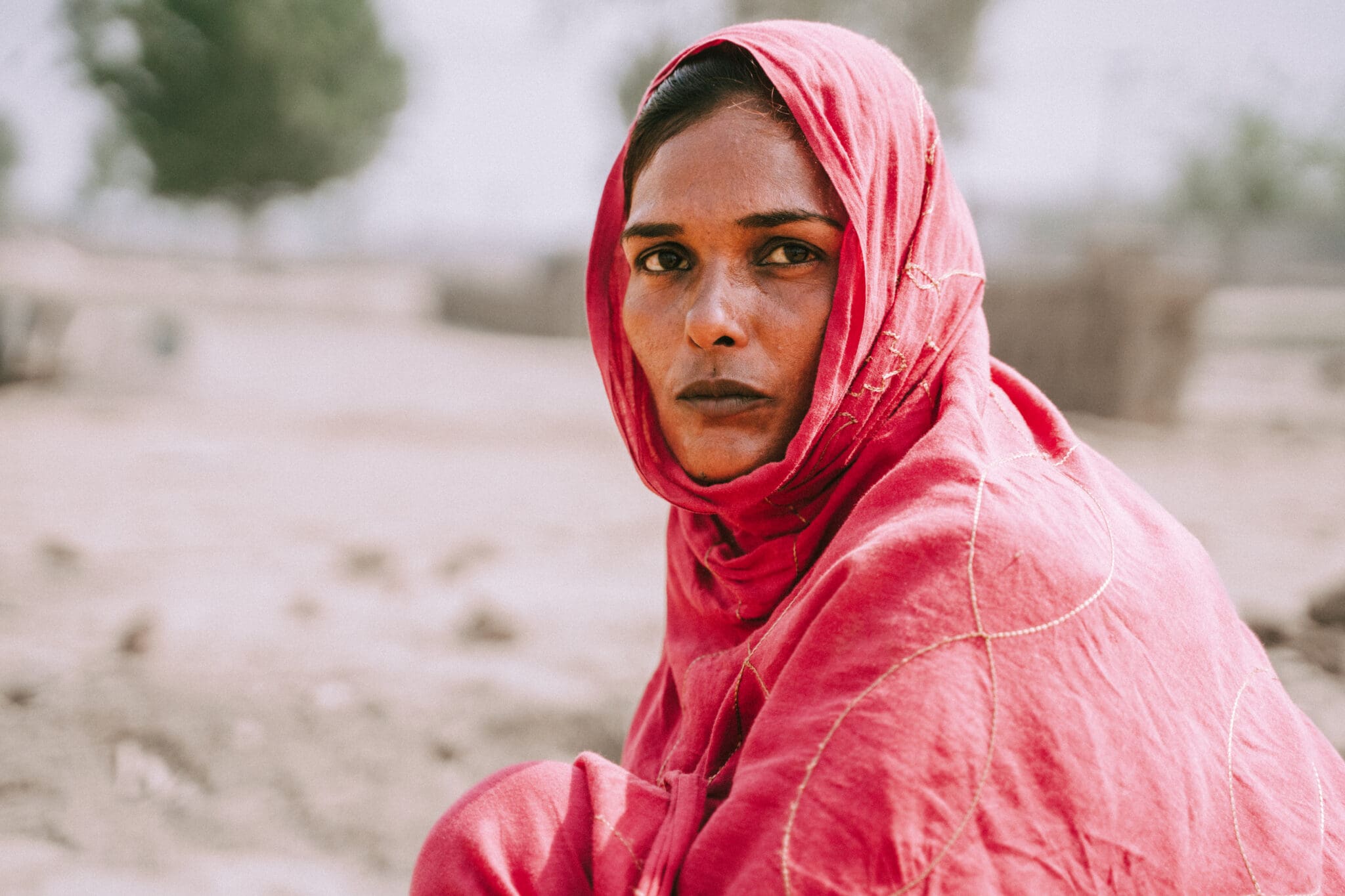
Even in those difficult years, their faith remained central. Raheel emphasized the importance of Christianity in his life. Ruth shared how she returned to faith after drifting away, praying and fasting when she heard the word of God. What struck me most was their relationship with Scripture, especially because neither Raheel nor Ruth can read. They relied on hearing the Word, and Ruth could recite John 3:16 from memory. Raheel quoted the promise to ask and receive, knock and the door will be opened. Their Bible was kept hidden away, carefully wrapped, and treated with reverence. They served as church elders, encouraging others despite their own struggles, often inviting those reluctant to attend church.
The Moment of Liberation
Then came the turning point. We accompanied the family to the brick kiln owner’s office. It was time. With Raheel and Ruth present, I handed over the check provided by Global Christian Relief supporters—the payment that erased the debt that had defined their lives for over two decades.
Raheel expressed deep gratitude and happiness, thanking God for answered prayers. Before this moment, when asked if he had hope of ever leaving the kilns, his answer had been a simple, devastating “No.” Now, everything was different.
Freedom’s Dawn: New Beginnings
Liberation wasn’t just an erased ledger; it opened doors. As part of the support package, the family received a donkey and cart. Standing outside their home, it was more than transportation; it was a tool for a new life. Raheel now uses it early in the morning to transport loads of finished bricks efficiently before starting other work.
The cart changed their daily sustenance. Ruth explained that before, they often had to borrow money just to buy daily vegetables or go without. Now they can pay for fresh produce directly. Later in the day, Raheel uses the cart to gather and sell vegetables in the market.
Freedom also meant daring to dream. Their four children—Amina (18), Hassan (17), Tariq (15), and Zara (10)—shared aspirations that now felt within reach. Amina wants to be a tailor, Hassan a barber, Tariq a motorcycle mechanic, and Zara, with beautiful boldness, declared she wanted to be a police officer. Listening to them, you could feel the shift from impossible fantasy to hopeful possibility.
Raheel’s plans were practical: he will start a new job selling vegetables. Ruth focused on the future: they hope for a bright future, good education for their children, and a better life.
Ongoing Realities and A Call
Even with personal freedom, challenges remain. Economic entrapment is a major issue for Christians. The interpreter added sobering context about the vulnerability of women. Persecution in Pakistan isn’t always overt violence; it’s often this grinding disadvantage and risk.
When asked what she’d want Christians in America to know, Ruth responded with gratitude and prayers for those who supported them. Her instinct to offer prayers for others, even after decades of hardship, was powerful.
Raheel and Ruth represent just one family among millions trapped in Pakistan’s estimated 20,000+ brick kilns, a disproportionate number of them Christians. Their liberation shows how targeted intervention—debt relief plus tools for sustainable income, training, and education—can break these cycles.
As I left, seeing them stand by their simple home, no longer just a symbol of bondage but a place of new beginnings, with the donkey cart nearby, I witnessed the tangible impact of freedom.
This year, Global Christian Relief aims to free 100 more families like theirs. The cost is achievable, the impact generational. We’re called to remember those in bondage (Hebrews 13:3). Raheel and Ruth’s story asks us: How will we respond?
Your partnership can write more stories of freedom. Will you join us?
Vulnerable Christians face increasing levels of persecution, not only in Pakistan but all around the globe. Become a Frontline Partner today and your monthly, recurring gift can provide emergency relief and long-term support—plus Bibles, safe shelter, trauma counseling, medical aid, food and more for those in dire need.
