


 MY ACCOUNT

In this blog post, you’ll learn how to support persecuted Christians worldwide as you:
- Raise awareness through teaching and prayer
- Partner with advocacy and relief organizations
- Build long-term relationships with affected churches
- Use church platforms to educate and inspire
- Promote religious freedom through action and prayer
Churches can be powerful allies in global Christian advocacy.
Religious persecution of Christians is a growing crisis affecting millions of believers across the globe. From regions like the Middle East and North Korea to countries around the world, countless Christians face threats, violence, and systemic discrimination simply for following Jesus Christ. In response, churches have a vital role to play in supporting their Christian family and promoting religious freedom.
Here are ways churches can stand with their brothers and sisters in Christ and take meaningful action against the religious persecution of Christians.

1. Teach and Preach About the Persecuted Church
One of the most impactful things a church can do is raise awareness. Many congregations are unaware of the severity of Christian persecution. Churches should regularly teach about the plight of persecuted Christians and include messages of solidarity in sermons and Bible studies. Incorporating stories, testimonies, and current events helps the congregation connect with those suffering for their religious beliefs.
2. Lead Ongoing Prayer for Persecuted Christians
The Bible commands us to pray for those who are imprisoned and suffering. Organizing a regular prayer for persecuted Christians—whether during Sunday services, midweek gatherings, or dedicated prayer nights—reminds believers of the global church. Prayer fosters spiritual unity and intercession, and it’s a vital tool in the fight for religious freedom.
Churches can:
- Create a prayer calendar focused on specific countries.
- Share stories of Christians and other religious minorities.
- Pray by name for prisoners and victims of persecution.
Global Christian Relief provides a quarterly prayer calendar to help you pray for the needs of persecuted Christians worldwide. Get the latest copy of Prayer Force Alert and sign up to get future copies delivered to your inbox.
3. Support Christian Relief and Advocacy Organizations
There are numerous groups doing incredible advocacy work on behalf of persecuted Christians. From humanitarian aid to policy reform, these organizations rely on the support of local churches to continue their mission. Churches can take up special offerings, sponsor projects, or form partnerships with groups advocating for freedom of religion or belief.
4. Engage in Religious Freedom Advocacy
Churches can amplify their impact by engaging in religious freedom advocacy. Contacting lawmakers, hosting community events, or joining coalitions can help influence both local and global policy. In the United States, churches have the freedom to advocate for change—something many believers around the world do not have.
Ideas include:
- Hosting an awareness event with guest speakers
- Writing to local representatives to support pro-freedom legislation
- Supporting the U.S. Commission on International Religious Freedom
Advocacy ensures that the issue stays in the public consciousness and puts pressure on governments to act.
5. Build Long-Term Partnerships With Affected Churches
One of the most powerful expressions of solidarity is partnership. Instead of one-time aid, consider long-term relationships with churches in persecuted regions. This could involve regular communication, financial support, training, and mutual encouragement.
When Christians help Christians, they strengthen the global Body of Christ. Church-to-church relationships model the kind of unity that transcends borders and politics.
6. Equip Congregations for Action
Education and action go hand in hand. Churches can equip members with the tools and resources needed to be advocates in their own right. Workshops, book studies, and youth programs can all include content on how to help persecuted Christians.
Topics might include:
- Understanding global persecution trends
- Biblical responses to oppression
- How to talk about religious persecution with others
When members are informed, they become multipliers for change.
7. Share Stories to Inspire Empathy and Commitment
Stories have a unique way of breaking through apathy. Sharing the experiences of those facing religious persecution makes the issue feel personal. From a video testimony from a Christian family in North Korea to a letter from a church in the Middle East, these real-life accounts create an emotional connection and inspire compassionate action.
Encourage small groups to reflect on these stories and consider how they can help.
8. Use Church Platforms to Speak Out
Church bulletins, websites, social media pages, and podcasts offer opportunities to spread awareness. Dedicating a Sunday to focus on how to help Christian persecution or writing blog posts on current global challenges can extend the conversation beyond the church building.
Make sure these platforms offer:
- Current statistics
- Prayer guides
- Action steps
- Ways to donate or get involved
9. Remember the Goal: Spiritual and Practical Support
Supporting the persecuted isn’t just about political action—it’s about embodying the love of Jesus Christ. As Paul wrote in 1 Corinthians 12:26, “If one part suffers, every part suffers with it.” Our mission is to stand with the oppressed in both spirit and truth, offering practical help and powerful prayer.
By stepping up, your church becomes part of a worldwide movement for religious freedom, echoing the hope and courage of generations of believers who have faced injustice with faith. Let us not grow weary but continue to support our Christian family facing persecution with passion, consistency, and love.
The Bottom Line
Persecution is real—but so is hope. Through prayer for persecuted Christians, meaningful partnerships, and intentional advocacy, churches can be a light in dark places. We must not forget those who suffer for their religious beliefs. In a world that increasingly challenges freedom of religion or belief, the local church has both the responsibility and the power to make a difference.
Let us rise to the challenge—not with fear, but with faith—and stand with our brothers and sisters in every nation, declaring boldly that we will not ignore the cries of the persecuted.
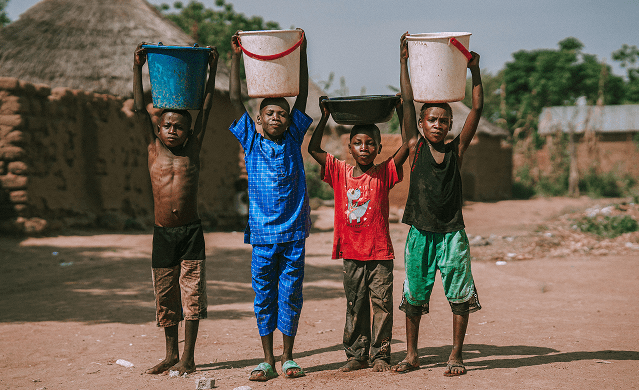
Vulnerable Christians face increasing levels of persecution around the globe. Become a Frontline Partner today and your monthly, recurring gift can provide emergency relief and long-term support—plus Bibles, safe shelter, trauma counseling, medical aid, food and more for those in dire need.
