


 MY ACCOUNT

At a Glance: This article examines countries where Christianity is illegal in 2026, explaining how laws, social pressure, and violence make practicing the Christian faith dangerous or impossible in many nations around the world.
- Highlights where Christianity is illegal or effectively banned, including North Korea, Afghanistan, Somalia, and Iran
- Explains the difference between official bans and persecution of Christians carried out through blasphemy laws, violence, and surveillance
- Identifies places where owning or importing a Bible is illegal, with severe penalties
- Shows how religious minorities and Christian communities are targeted despite claims of religious freedoms
- Emphasizes the urgent need for global advocacy, awareness, and support for believers practicing their faith under threat
This overview helps readers understand the scope, realities, and human cost of global Christian persecution today.
In various parts of the world, practicing Christianity remains severely restricted or outright banned, making it dangerous for believers to openly practice their faith. While some governments claim to offer freedom of religion, the reality is often starkly different. This article explores countries where Christianity is illegal, as well as the nations where Christians face persecution despite legal protections.
Illegal or Persecuted?
In the discourse on religious freedom, distinguishing between what is officially illegal versus what results in persecution is crucial. Many countries where Christianity is illegal profess to uphold freedom of religion in their constitutions. However, in practice, these assurances are hollow as Christianity is effectively banned.
For example, North Korea continues to top the list of countries where Christianity is functionally banned, despite nominal protections in law. This discrepancy reveals the global challenge of protecting Christian communities from abuse, even in places where they are not outlawed outright.
Oppressive measures such as surveillance, incarceration, mob violence, and censorship are increasingly used to target Christians. In several countries, the combination of social pressure, government hostility, and extremist violence effectively makes practicing their faith a crime in all but name.This pattern is evident in numerous nations where the discrepancy between the law and its enforcement underscores the plight of those practicing their faith. Recognizing these nuances is essential to understanding the full scope of challenges faced in countries where Christianity is banned, or Christians are persecuted.
A List of Countries Where Christianity is Illegal or Suppressed
This list, though not exhaustive, highlights some of the most dangerous places where Christianity is illegal or where Christian communities face extreme suppression.
Afghanistan
In Afghanistan, leaving Islam to follow Jesus can result in severe punishments, including death, due to the country’s Islamic laws. The small number of Christians, who must practice their faith in utmost secrecy, face dire consequences if discovered. This extreme persecution comes not just from the Taliban-led central government but also from local communities and even family members.
North Korea
North Korea remains the most hostile country to Christianity in 2026. The government views religion as a threat to the leadership’s ideology. Being found practicing Christianity or possessing a Bible can lead to imprisonment in labor camps, where conditions are notoriously brutal. Reports suggest that many Christians are detained without trial, with their families often punished as well.
Somalia
In Somalia, the Christian community is tiny and under constant threat. The country does not recognize any religion other than Islam, and deciding to leave Islam can be lethal. Christian converts are targeted by both Islamist groups and local communities, often facing execution or mob violence. Church buildings are non-existent, and Christian gatherings must be kept completely secret.
Libya
Since the fall of political leader Gaddafi, Libya has lacked a stable central government, leading to a rise in Islamic extremism. Christians, particularly those from immigrant communities, face violence and abduction. This has made Libya one of the most unstable countries for Christian faith in 2026.
Yemen
In Yemen, ongoing conflicts have led to a lawless environment where extremist groups thrive. In Yemen, Christians are banned from practicing their faith openly, and those who leave Islam face the threat of death. The ongoing civil war has empowered radical factions who target Christians as enemies of Islam. Most believers practice in complete secrecy.
Eritrea
The Eritrean government recognizes only certain Christian denominations, and independent religious groups face severe persecution. Christians outside these recognized groups are often arrested and held in horrific conditions — some are even kept in shipping containers. The government’s tight control over religious practices reflects its broader crackdown on any form of dissent.
Nigeria
Nigeria remains a flashpoint of Christian persecution, especially in the northern states where, under Sharia law, violent clashes and extreme persecution of Christians occur frequently. Churches are attacked frequently, and blasphemy laws are used to target Christians. Meanwhile, the southern part of the country experiences more religious freedom, illustrating a stark north-south divide.
Pakistan
Pakistan’s blasphemy laws are notoriously used to target Christians, often based on false accusations that lead to mob violence. Christians living in Pakistan face systemic discrimination, and even the accusation of blasphemy can result in death sentences, making the environment extremely hostile for the Christian community.
Iran
In Iran, the Christian faith is tolerated only to a certain extent, primarily among historical Armenian and Assyrian communities. However, leaving Islam to follow Jesus is considered apostasy and can lead to severe punishment, including death. Christians often face arbitrary arrests and are prohibited from sharing their faith with Muslims.
India
While India constitutionally guarantees religious freedom, in practice, the situation can be quite different. Rising anti-Christian sentiment fueled by Hindu nationalist groups often results in violence against Christians and attacks on churches. The push for anti-conversion laws in several states poses a significant threat to Christians and limits their ability to share their faith.

Countries Where It Is Illegal to Own or Import Bibles
In some nations, simply owning or importing a Bible is illegal, and penalties can be severe.
- North Korea: Possession is considered treason.
- Saudi Arabia: Public worship is forbidden, and importing Bibles can lead to arrest.
- Maldives: Importing Bibles is illegal; non-Muslim religious materials are banned.
- Turkmenistan & Uzbekistan: Distribution of religious texts is heavily restricted and monitored.
- Iran: Distribution outside the Armenian or Assyrian communities is criminalized.
These restrictions demonstrate how religious minorities are denied access to even basic expressions of faith.
The Bottom Line
Christianity remains illegal or severely restricted in many countries across Asia, Africa, and the Middle East. In 2026, the persecution of Christians is on the rise, with both authoritarian governments and extremist groups playing a role.
- So, in how many countries is Christianity illegal? While it depends on definitions, at least 10–13 countries either ban or aggressively suppress Christian faith.
- Where is Christianity illegal? Mostly in countries where authoritarian control or religious extremism dominate policy and social norms.
Global Christian Relief stands committed to supporting these brave souls, advocating for their religious freedom, and providing relief wherever possible. By understanding and acknowledging their struggles, we can better assist them and reinforce the message that faith should not be a cause for persecution.
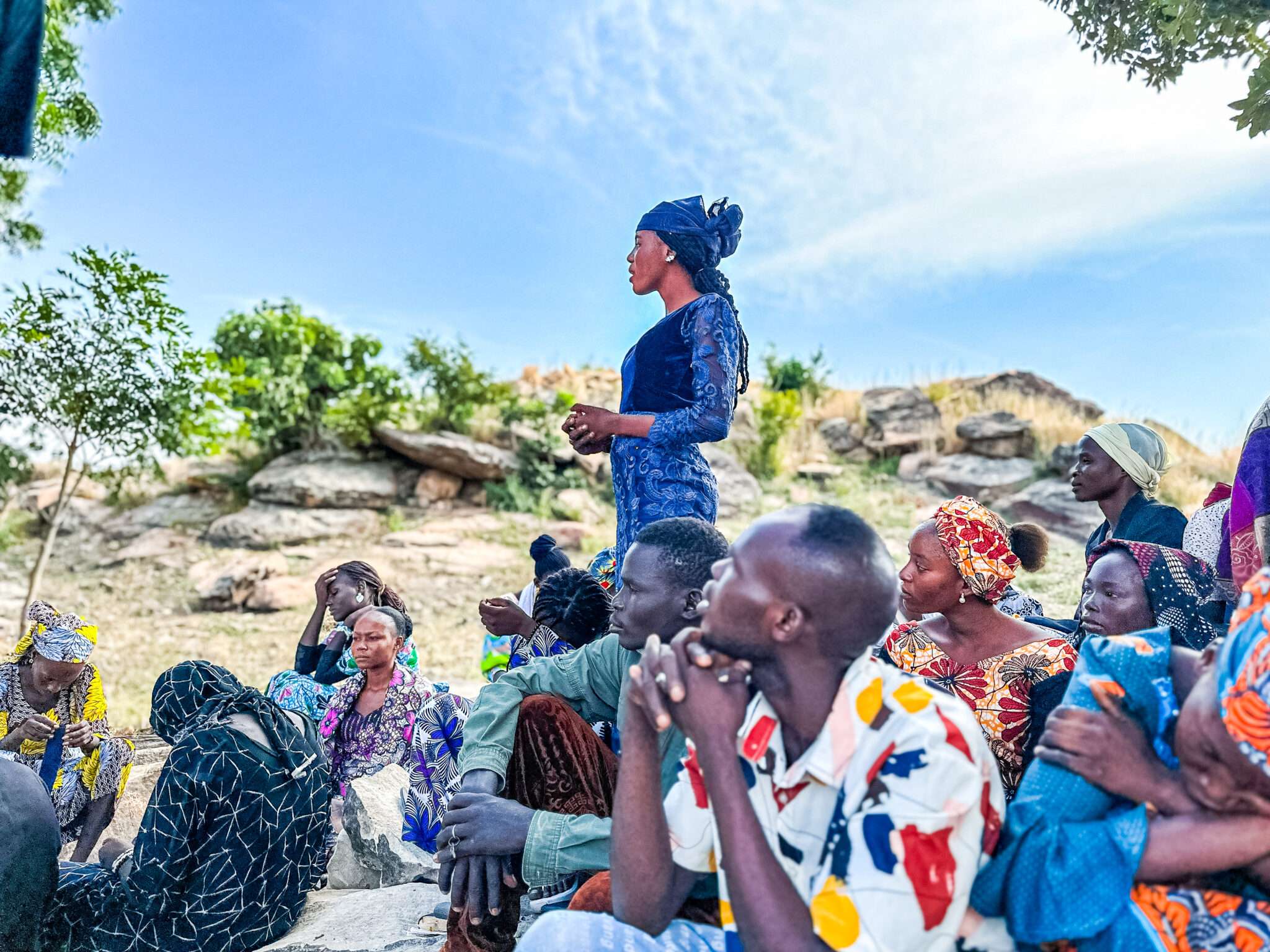
Vulnerable Christians like Suzanne face increasing levels of persecution, not only in Nigeria but all around the globe. Become a Frontline Partner today and your monthly, recurring gift can provide emergency relief and long-term support—plus Bibles, safe shelter, trauma counseling, medical aid, food and more for those in dire need.
