


 MY ACCOUNT
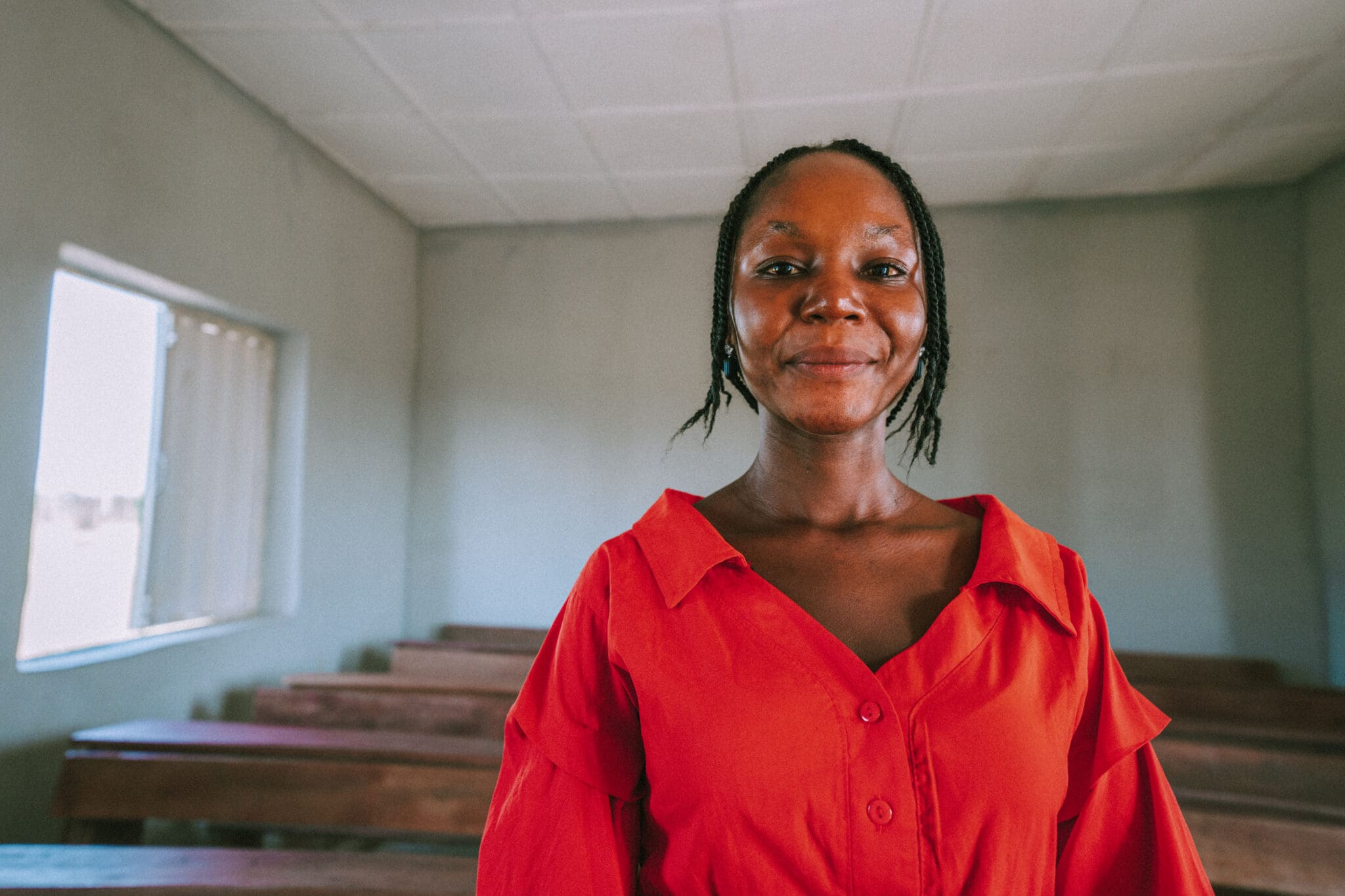
On a sweltering afternoon in northern Nigeria, Esther cradles her father’s head in her lap as their car races toward the hospital. His breathing grows shallow, then stops altogether. They never make it to the emergency room. This moment in 2020 marked what seemed like the final crushing blow in a series of losses that had begun years earlier when Boko Haram militants forced her family to flee their village in Madagali and live in fear, like so many others, as displaced Nigerian Christians.
Boko Haram, whose name roughly translates to “Western education is forbidden,” has terrorized northern Nigeria for over a decade, targeting Christians and moderate Muslims in their campaign to establish a strict Islamic caliphate. The militant group has become notorious for burning churches, raiding villages, and specifically targeting schools—viewing Western-style education as a threat to their extremist ideology.
The path that led to her father’s death began in the mountains, where Esther’s family, like thousands of other displaced Nigerian Christians, was attacked by Boko Haram and forced to flee their homes. From their precarious perch in the mountains, they watched helplessly as their church burned. Each day, they would cautiously descend back to their ravaged village, searching through the ruins of their former lives for any food or supplies they could salvage. When government aircraft arrived, instead of targeting the militants, they bombed civilians seeking shelter in the church’s ruins. “We saw one woman’s body torn apart,” Esther recalled. “She had been trying to save Bibles from the altar.”
Seeking refuge as displaced Nigerian Christians
For six months, the family moved from village to village, eventually finding temporary refuge in Mubi before finally reaching a camp for displaced Nigerian Christians in Yola. Esther’s father, once a proud farmer who could amply provide for his family, watched helplessly as their dignity eroded. The stress manifested as severe hypertension, which would ultimately claim his life.
“Before the crisis, we planted crops, we had enough,” Esther said. “After we ran here, we had to work on other people’s farms just to eat.” Her father, unable to reconcile himself to their new reality, carried the weight of his family’s suffering until his heart could bear no more.
When he died, Esther was in her second year at university. The dream of completing her education seemed to die with him. “With just my mother, I knew we couldn’t do this,” she said. “We had lost everything. I almost completely gave up.”
Finding hope and the will to forgive
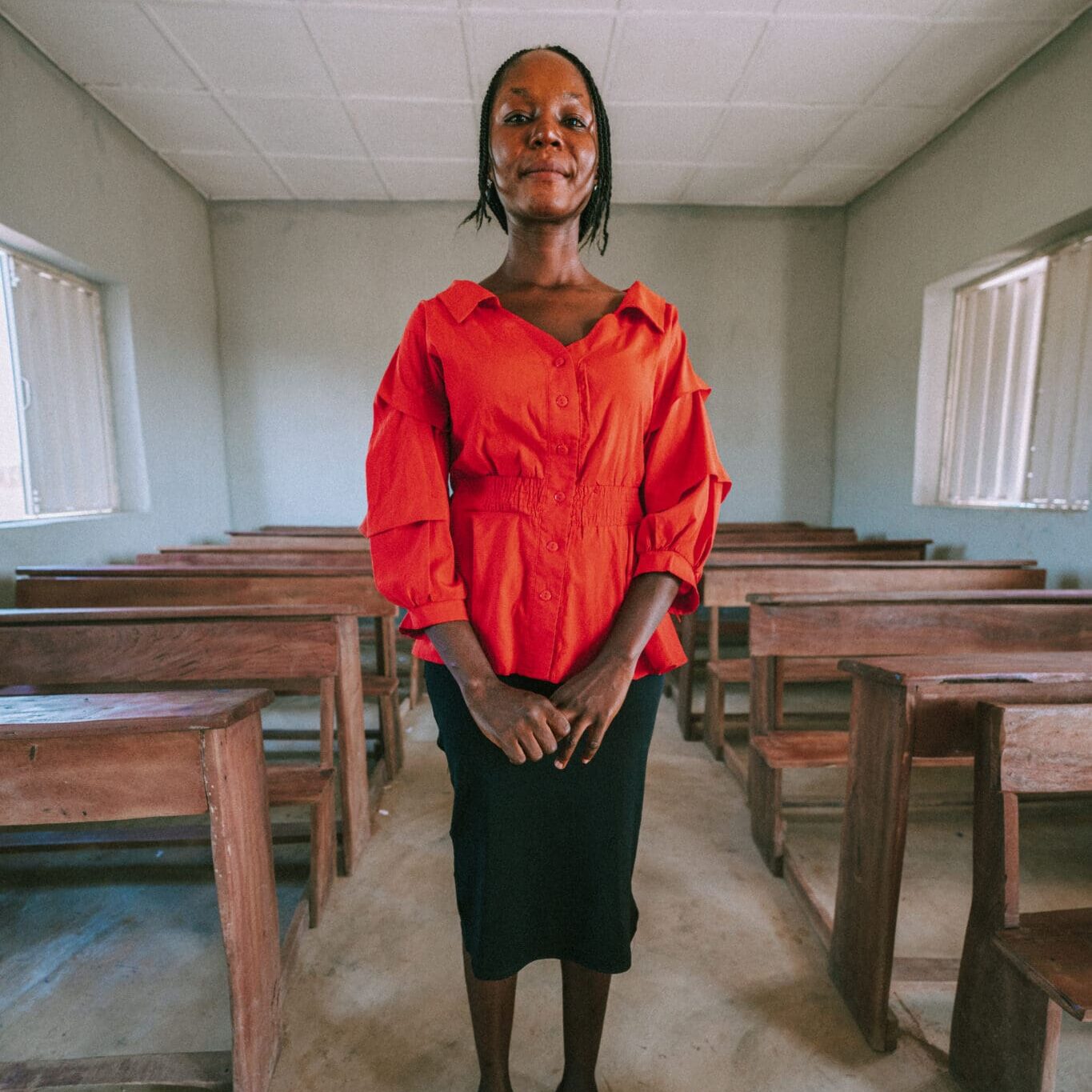
But in camps for displaced Nigerian Christians, hope often arrives in unexpected forms. For Esther, it came through Global Christian Relief’s local partner that combines practical support with spiritual care. Through their youth empowerment program, she received not just the financial means to continue her education, but something perhaps more valuable: a renewed sense of purpose.
The transformation wasn’t merely external. Where once Esther harbored thoughts of vengeance against her persecutors, she now speaks of forgiveness. “Before, if I had met those who attacked us, I would have killed them, if possible,” she admitted. “But now, I would tell them that no matter what they have done, God still loves them and can forgive them.”
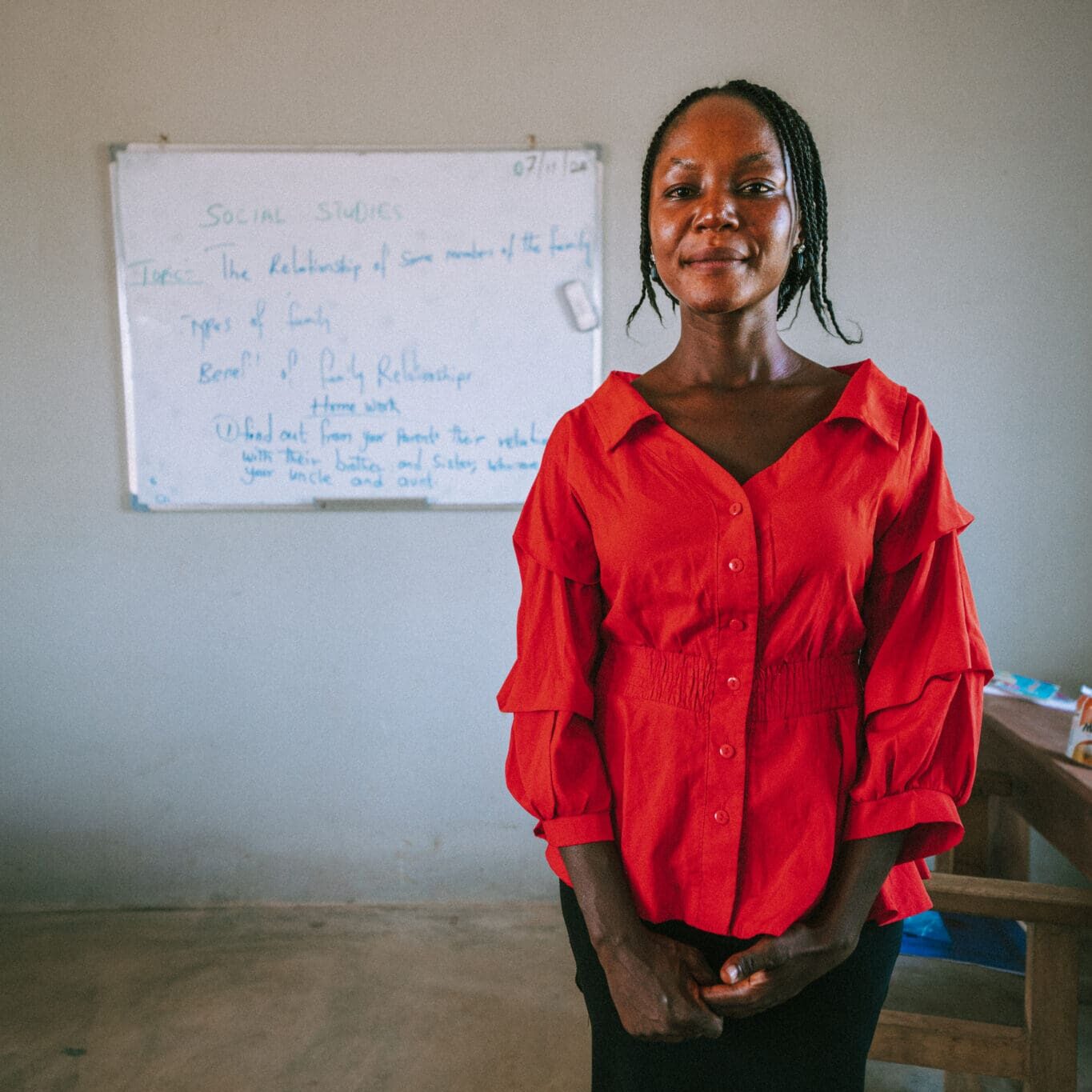
This radical shift in perspective exemplifies the ripple effect of targeted intervention in displacement camps. Esther completed her teaching degree and returned to the camp—not to escape, but to serve. Today, she teaches middle school students, passing on not just reading and mathematics, but the same messages of love and forgiveness that transformed her own life.
In her classroom of displaced Nigerian Christians, she sees the front lines of her country’s future. “If they have education, if they have the Word of God in their hearts, they won’t be attracted to extremism,” she explained. “The people doing these wrong things don’t have the fear of the Lord in their hearts.”
Living with transformed hearts
The impact of these programs extends far beyond individual success stories. Each restored life becomes a channel of hope for others. Esther’s mother, once distant from their faith, now sings in the church choir. Her siblings have found their own paths of service. The family’s spiritual transformation mirrors their journey from victims to agents of change.
Every morning, as Esther prepares her lessons, she offers prayers of gratitude for those who made her journey possible. “I pray for those who help us,” she said. “Wherever this help is coming from, let the blessings of God reach them, enlarge them, increase them.”
When asked what song captures her feelings about her journey, Esther broke into a Hausa melody: “God, there is no one like you on earth. There is no one like you in heaven. The glory and honor belong to you.” Her voice, clear and strong, carries the sound of hope rising from the ashes of loss—a hope made possible by those who choose to reach across borders and barriers to support their persecuted brothers and sisters in faith.

Vulnerable Christians face increasing levels of persecution, not only in Nigeria but all around the globe. Become a Frontline Partner today and your monthly, recurring gift can provide emergency relief and long-term support—plus Bibles, safe shelter, trauma counseling, medical aid, food and more for those in dire need.
