


 MY ACCOUNT
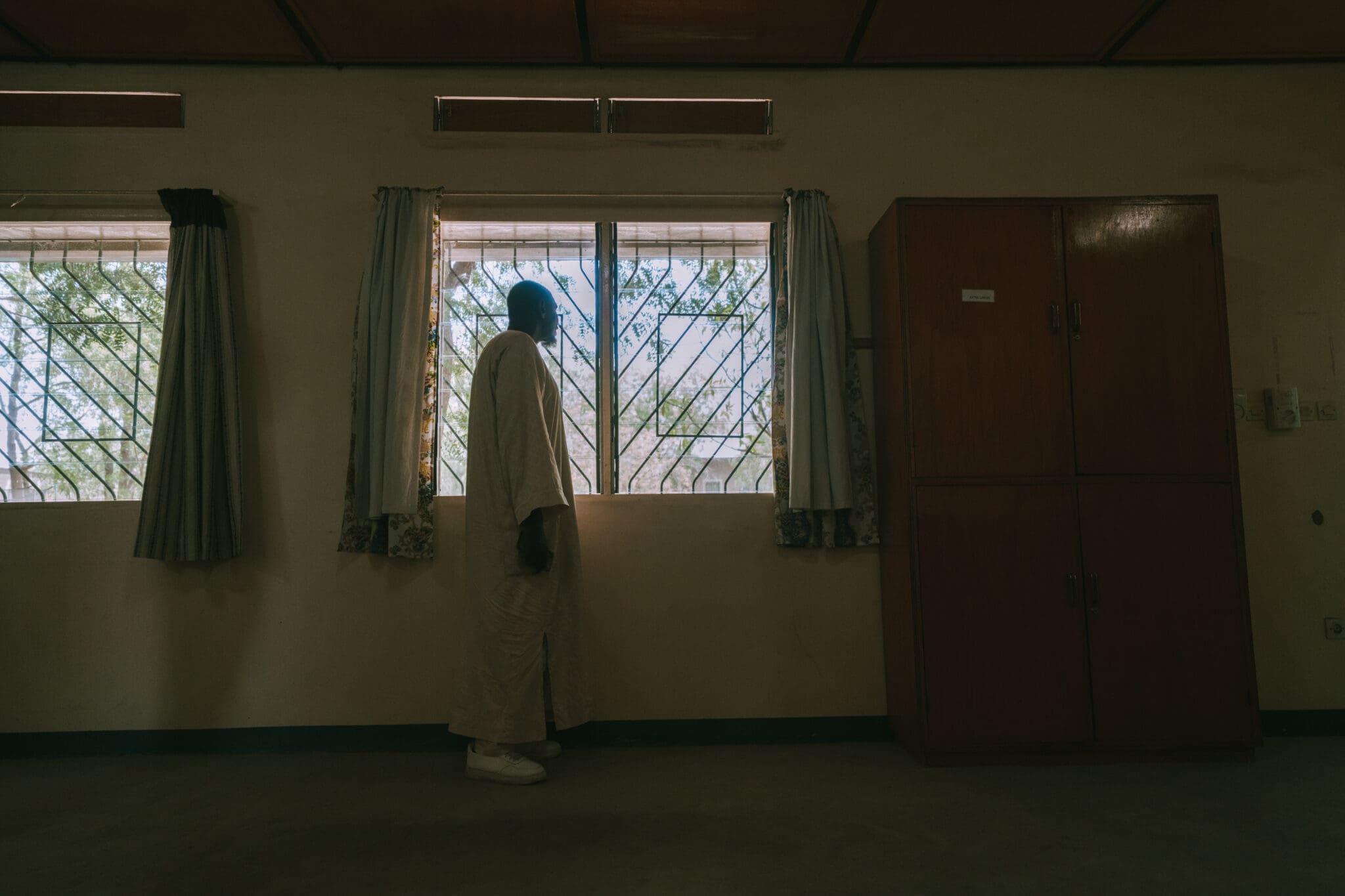
The sound of evening prayers echoes in the distance as Pastor Ibrahim Hassan adjusts his position in the simple chair, his voice carrying the quiet authority of someone who has walked through fire and emerged with unshakeable faith.
At 65, this father of nine children – including two doctors and a network engineer – represents something extraordinary in Chad's complex religious landscape: a former Islamic scholar who now leads one of the most dangerous ministries in the Muslim world: shepherding believers who have left Islam to follow Christ.
"When I was a child, what I saw around me was traditional religion – African tradition," he begins, his words measured but clear. "We thought spirit worship was not good, but the way to lead to good was Islam, because I had never listened to the Gospel."
His journey from devout Muslim to pastor of secret believers reveals both the sovereign work of God and the extraordinary courage required to follow Christ in contexts where faith can cost everything.
Chad represents one of the world's most challenging environments for Muslim Background Believers (MBBs) – those who have left Islam to follow Christ. With a population roughly split between Muslim and Christian communities, the nation serves as a microcosm of the broader spiritual battle occurring across the Muslim world, where unprecedented numbers are encountering Jesus Christ despite enormous personal risk.
For pastors like Ibrahim, the ministry extends far beyond traditional church leadership. They serve as shepherds to believers who face rejection from families, persecution from communities, and constant threats to their safety. These secret believers often lose everything – spouses, children, inheritance, and social standing – when they choose to follow Christ.
The challenges are both immediate and long-term. New believers need discipleship, community, and practical support to survive the transition from Islam to Christianity. They require safe spaces for worship, access to Scripture in their heart languages, and connections with other believers who understand their unique struggles.
Pastor Ibrahim's childhood was marked by deep religious devotion within Islam.
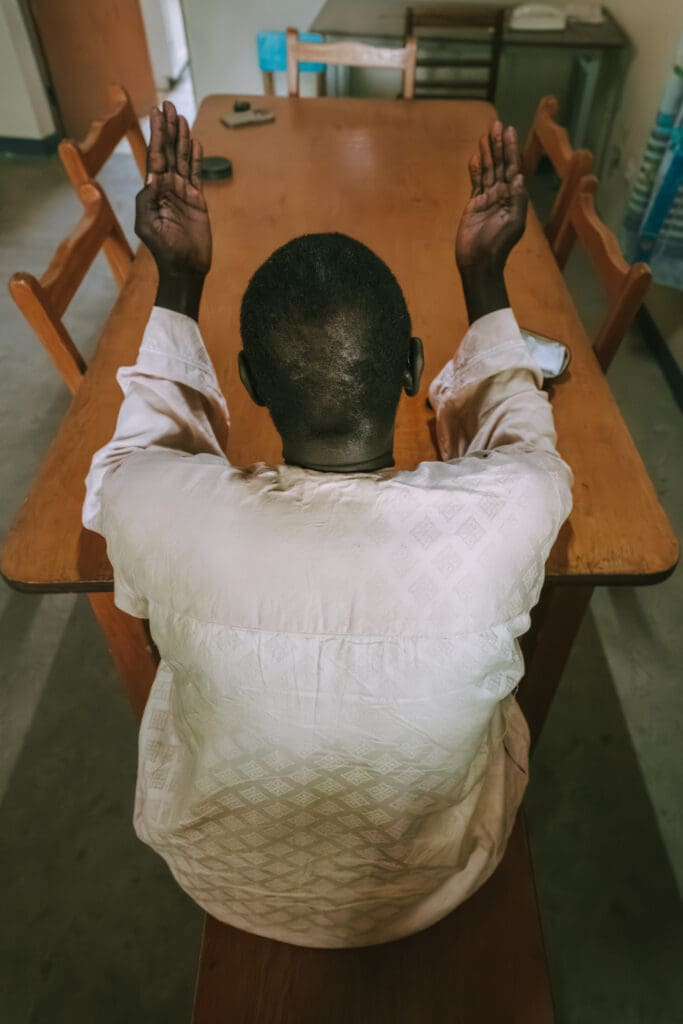
"My father led me to school, where I learned the Quran. I had it in my mind that I would become a great Islamic leader," he recalls.
His daily routine reflected this commitment: prayers at dawn, 1 pm, 3 pm, and 7 pm, combined with intensive study of the Quran.
Yet even as a child, he experienced the harsh realities of Islamic education. "Our master at the Quranic school would sometimes hit us too much. I didn't like that – I didn't like when he would hit you for saying something wrong," he recalls. These early experiences planted seeds of questioning that would later bloom into spiritual searching.
His view of Christianity during this period reflected common Islamic teaching. "I thought that Islam was a good tree and Christianity was bad. When we would come close to a church, we would put our fingers in our ears just to stop from listening – to not listen to what these wicked men were saying in the church."
The transformation began during a period of family crisis. When his father took a second wife and divorced his mother, young Ibrahim faced a choice: return to the village or continue his education. Choosing education meant leaving his family and finding alternative housing – a decision that would change his eternal destiny.
Divine providence led Ibrahim to a Christian mission that provided housing for students who had nowhere else to stay.
"The rule was that every morning you had to go to the church for 20 minutes to listen to the Gospel before going to school," he explains. Initially resistant, he attended only because he needed the shelter.
"At first I didn't want to, but since many boys would go, I went along. I wanted to go to school, and I had to do this to have a place there," he admits. The requirement seemed like a small price to pay for education and housing.
But God had other plans. "One morning, the Spirit – the Gospel, the Holy Ghost – opened my mind. I discovered that to go to heaven, it's not by good deeds, but by faith."
This revelation struck at the heart of his Islamic worldview. "In Islam, you pray, you fast, you do everything, but it depends on Allah whether he sends you to heaven or hell. When he decides what he wants to do with you, it's up to him."
The contrast was stark and liberating. "But here it said that God loves the world so much that He gave His only Son, so that everyone who believes in Him will not perish but have eternal life. I saw that the problem was resolved."
The moment of decision came during a Bible study on God's call to Samuel. "I said, 'God, if you love me, call me like you called Samuel, and I will serve you.' I don't know what happened in me, but my heart felt like it was on fire."
On Dec. 14, 1974, at age 14, Ibrahim publicly declared his faith in Christ. "I stood up and told the fellowship that I had decided to have Jesus Christ as my Savior, and I decided to serve Him all my lifetime."
The transition from Islam to Christianity brought immediate challenges. "I knew that everybody who knew me understood that a Muslim cannot be a Christian. So when I would go to town, I didn't tell them I had become a Christian," he recalls.
The internal struggle was intense. "My greatest challenge was sharing my faith with others. I couldn't do it."
When he attempted to share the Gospel with his father, the response was mixed. His father would listen to stories about Abraham and biblical history, but would fall asleep when Ibrahim tried to explain the Gospel directly.
However, prophecies about end times captured his father's attention. "When I would tell him about these things, he would listen. He would wake up for that moment and pay attention." This opened opportunities for deeper conversations about faith.
The persecution he faced was both subtle and overt. "When we came to this city, it was difficult. We had hoped to stay, but we were renting out the home of one of the Islamic leaders."
After initially welcoming the family, the Islamic leader eventually asked them to leave.
Physical persecution also occurred. "I received persecution regularly. In our country, in our town, when you would pass by, people would call us 'wicked Christians' and they would spit on us."
Yet Ibrahim responded with Christ-like love, even offering rides to those who persecuted him, eventually winning the friendship of many through consistent kindness.
Today, Pastor Ibrahim leads a ministry focused on Muslim Background Believers – one of the most dangerous and necessary ministries in the Muslim world. His insights into how God is moving among Muslims reveal both the opportunities and challenges facing this growing movement.
Asked how Muslims are coming to Christ, he explains: "Many times it happens through dreams. We have many Christians who came from Islam who say, 'I had a dream.'"
He shares the story of a Quranic teacher who had recurring dreams of Jesus, eventually traveling 25 kilometers to find a church and becoming a strong believer.
"Many other times, it's through the testimony of Christians. Some Muslims see Christians – these people we told them were wicked – but they observe how they live and what they do. It's good. They think, 'Certainly there is truth in this.' They discover that you cannot go to heaven without Jesus Christ."
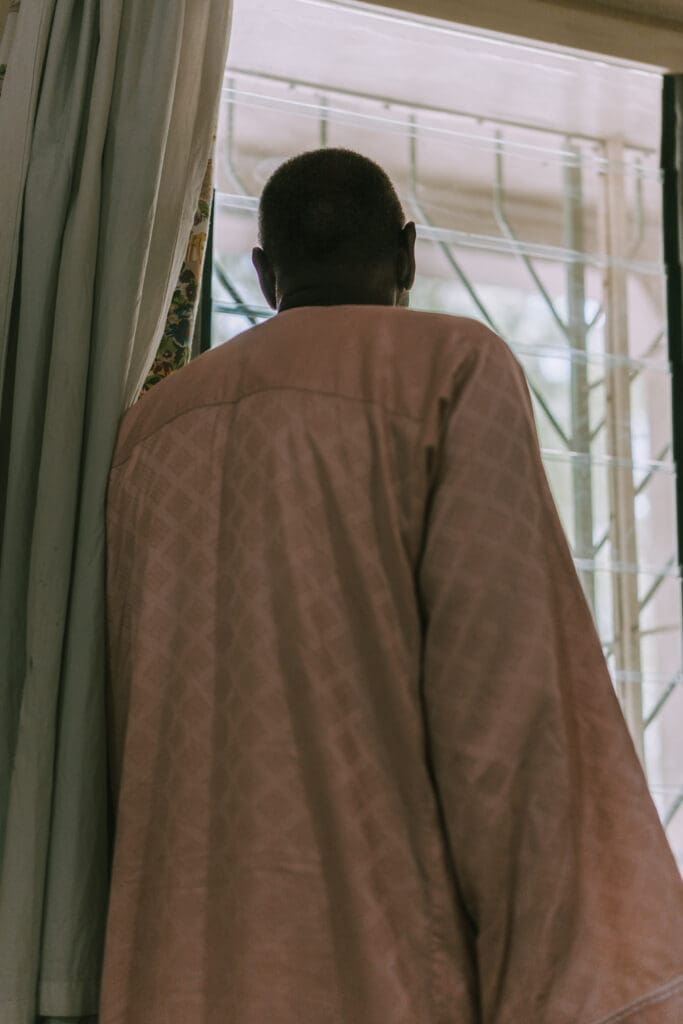
Remarkably, even the Quran itself becomes a tool for conversion. "Through reading the Quran, they see that Christ is high – higher, highest. Even Muhammad is low, very low. Christ is lifted high. So some Muslims become Christians this way."
The needs of Muslim Background Believers are both immediate and long-term. "When they decide to follow Jesus, they know what awaits them. When they make this decision, they lose everything – their whole identity, their whole heart," Ibrahim Hassan explains.
The losses are devastating. "If he is married, his wife will be taken away – she'll leave him. If he has children, the children will be taken away. So he comes as a person who is hated."
The primary need is welcome and community. "He wants first to be welcomed, to have his life secured, and to receive teachings from the Lord – the Word – so he can grow spiritually and reach maturity in Christ."
However, immediate church integration isn't always the answer. "We need to let him grow outside of church first and disciple him spiritually before bringing him to church, because going from Islamic faith to church would be a very big step."
The key is patient discipleship that allows new believers to grow strong in their faith before facing the additional challenges of public church attendance.
Pastor Ibrahim's prayer requests reveal the scope of the need: "Pray for us to have strong faith and for the Holy Spirit to do miracles, because Muslims need to see miracles. When they see miracles, they know that this is good."
He also requests prayer for practical resources: "Pray that God gives the church the means to build centers where we can welcome believers from Islamic backgrounds and give them biblical formation. We need to give them skills so that when they leave these centers, they can build houses, do mechanical work, learn trades, and be able to make a living."
As the evening call to prayer fades in the distance, Pastor Ibrahim's words carry both the weight of experience and the hope of future breakthrough. His journey from devout Muslim child to pastor of secret believers represents thousands of similar stories across the Muslim world – testimonies of God's sovereign grace breaking through the darkest circumstances.
The Muslim Background Believer church is growing despite enormous challenges. Dreams, testimonies, acts of kindness, and even the Quran itself are becoming tools in God's hands to draw Muslims to Christ. But these new believers need more than to accept Christ – they need community, discipleship, protection, and practical support to survive and thrive in their new faith.
Pastor Ibrahim's ministry reminds us that sometimes the most significant Kingdom work happens in secret, among believers whose very existence challenges the status quo. His story offers hope that God is indeed moving among Muslims in unprecedented ways, but it also reveals the urgent need for strategic, sustained support for those who risk everything to follow Christ.
In Pastor Ibrahim's perseverance and joy, we see the power of the Gospel to transform not just individuals but entire communities. The provided audio Bibles, safe houses, discipleship programs, and emergency assistance represent more than humanitarian aid – they're investments in an underground movement that has the potential to transform nations.
The secret believers of Chad and across the Muslim world need our prayers, our support, and our partnership. In their courage, we find inspiration. In their needs, we find opportunity. And in their stories, we glimpse the extraordinary work God is doing in the most unlikely places, through the most unexpected people, for His glory and the advancement of His Kingdom.
Secret Believers When Faith Must Stay Hidden, Hope Must Not
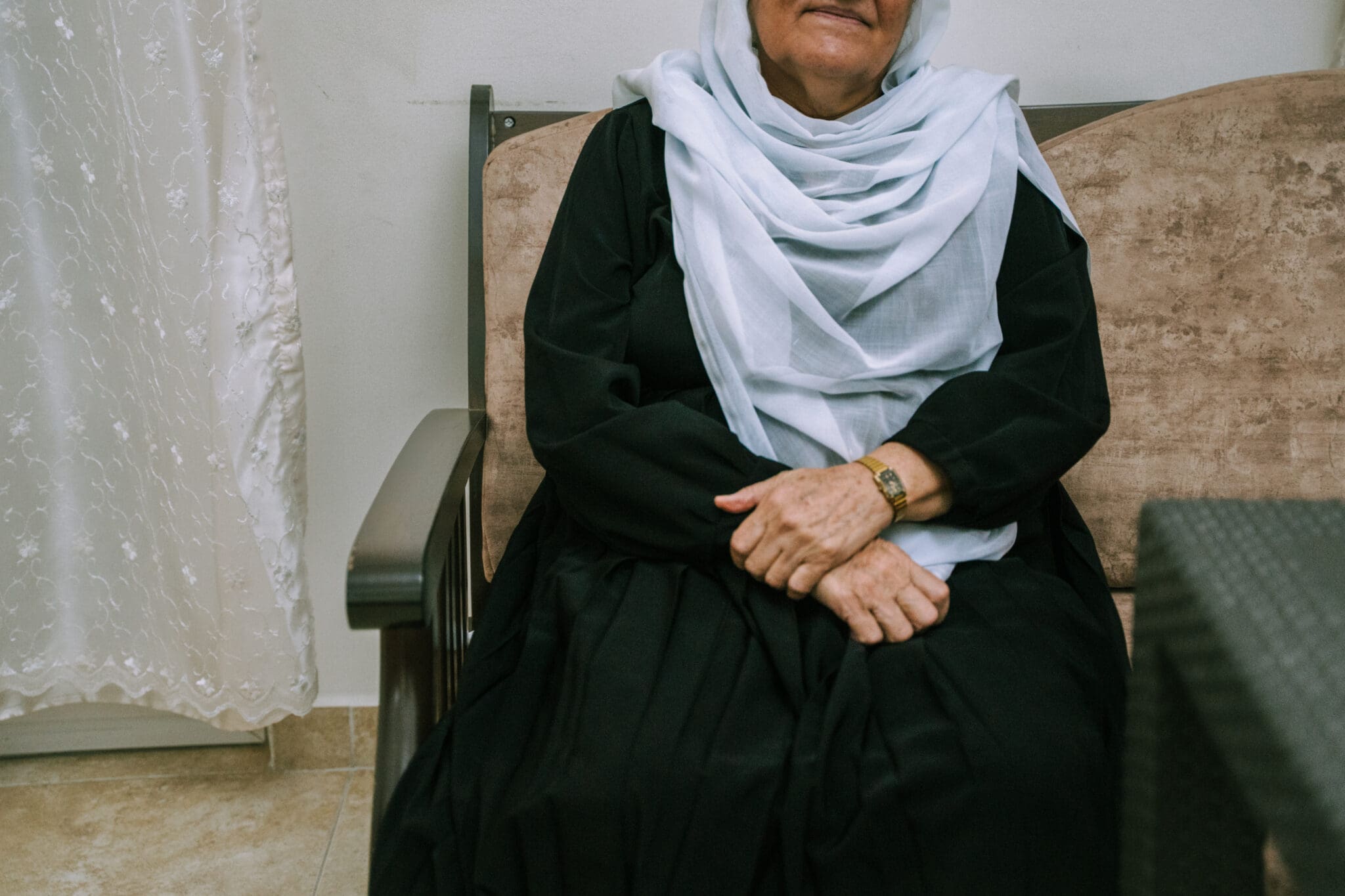
Across the Muslim world, men and women are encountering Jesus in hidden places – through a dream, a late-night search, or a quiet conversation with a local believer. But when someone chooses to follow Christ in secret, the cost of their decision can be immediate: family rejection, social isolation, and real danger.
Learn more about how you can support secret believers and help ensure no follower of Jesus ever stands alone.
