


 MY ACCOUNT
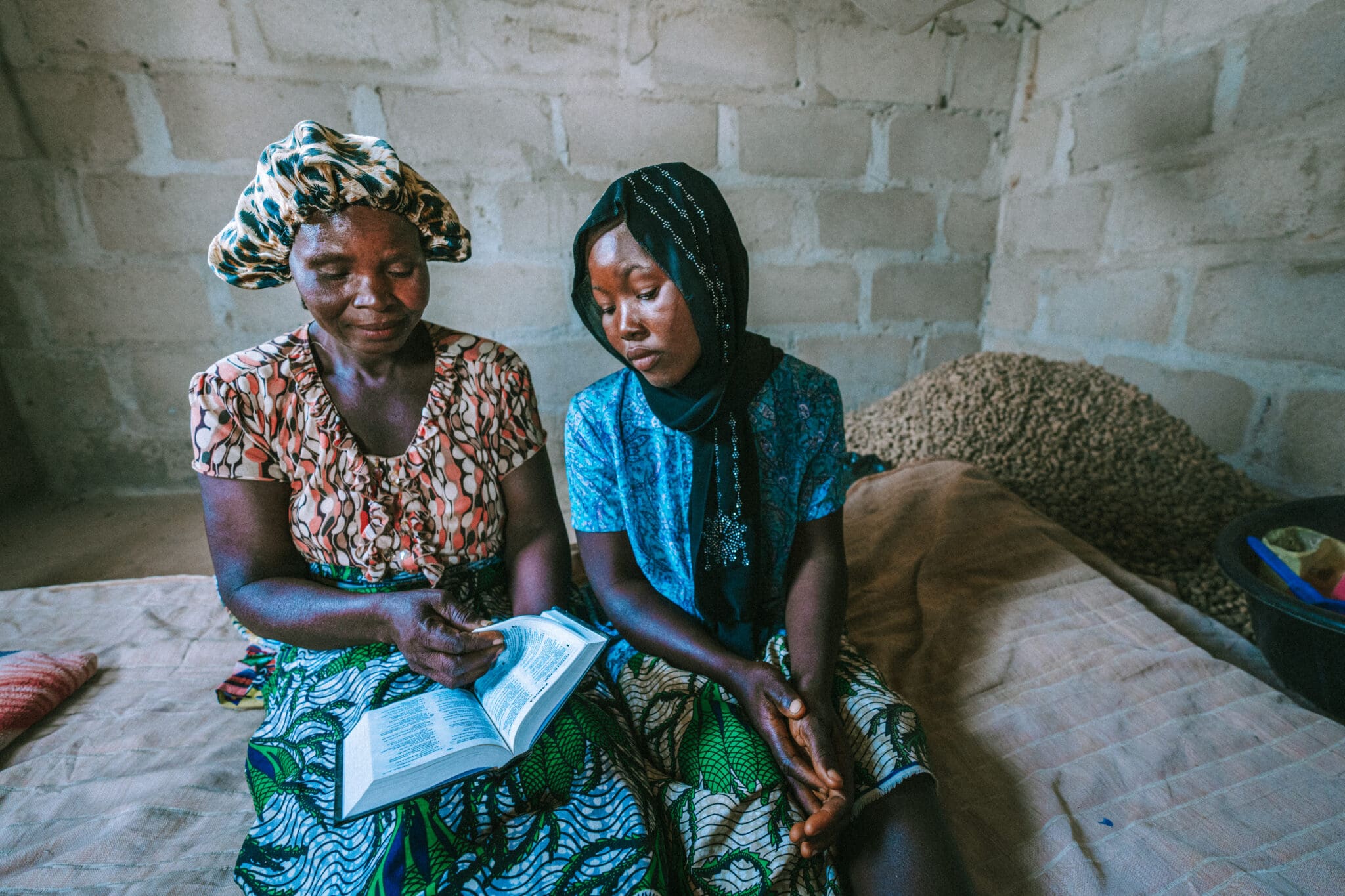
In a modest one-room home in northern Nigeria, Safiratu sat on a simple mattress, gently turning the pages of her Bible. Though she could not read it without her daughter’s help, her face radiated joy as she prayed. It was a striking portrait of resilience—a woman who endured almost unimaginable suffering as a captive of Boko Haram, yet emanated an infectious happiness that filled the room.
For the past fifteen years, Nigeria’s northern and central regions have become killing fields for Christians. Boko Haram and other militant groups have waged a campaign of terror, burning churches, executing pastors and abducting women and girls. More than 50,000 Christians have lost their lives. The militants’ goal is clear: to eliminate Christianity from the region through violence, forced conversion and fear.
Taken as a captive of Boko Haram
Safiratu’s story emerges from this crucible of persecution. “When Boko Haram invaded, I was nine months pregnant,” she recalled, her voice steady as she recounted that day nearly eleven years ago. “Everyone fled, but I didn’t have the strength to run. They found me and beat me severely. The child died in my womb. There was no one to help, no medicine, no food. I was completely alone for a week.”
In her desperate state, she found hot water that a fleeing woman had left behind near a rock. After drinking the water, she was able to deliver the stillborn child. Then she began her week-long crawl to safety. “I crawled like a dog until I found my people,” she remembered. “When they saw me, they were surprised I was still alive.”
She reunited with her children and together they fled into the mountains, going a week without food or water. “We kept praying in our hearts,” she said. Her prayer was simple but profound: “Oh God, You created us, and You created death. We have no one to turn to. We are in Your hands.”
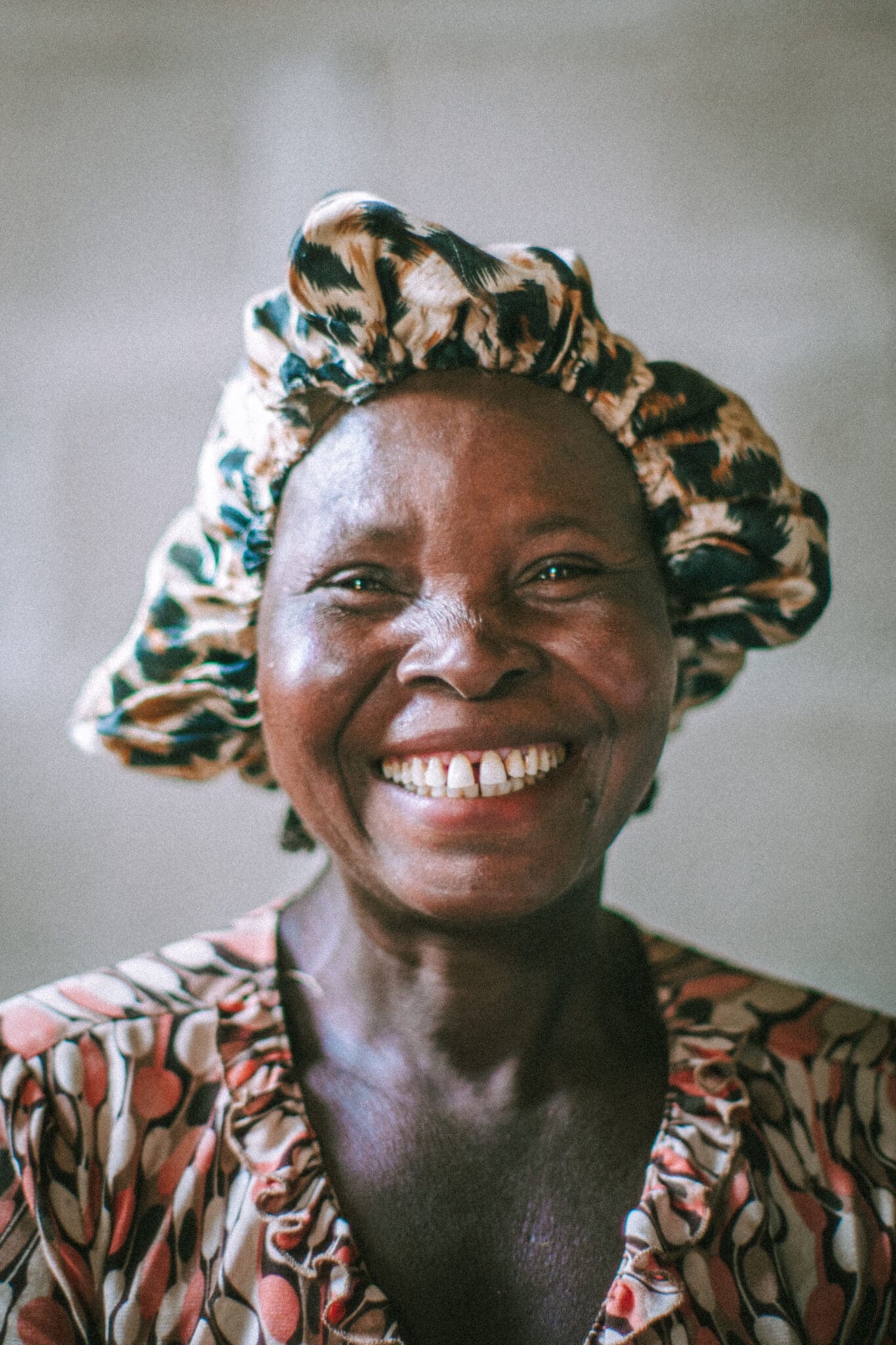
In a village called Zelidva, tragedy struck. As a captive of Boko Haram, Safiratu watched helplessly as militants separated the men and boys from the women. “They tied up all the men and slaughtered them in front of us, including four of my children.” A fifth son, who had joined the police force, would later be killed between Gwoza and Madagali. “By now, I would have had grandchildren,” she reflected, her voice trailing off.
In the notorious Sambisa Forest, where temperatures reach 120 degrees, Safiratu faced an impossible choice: marry one of the fighters or be executed. She chose marriage to protect her surviving children. “If I refused, I would be killed, and my three remaining children would be taken away,” she explained. “Which child would I be able to give birth to again? It was better that I get married so my children would not be left alone.”
Even when forced to perform Islamic prayers, her faith never wavered. Despite the horror of her circumstances, each day that she remained a captive of Boko Haram, she deliberately looked for something to thank God for—a practice she says kept her faith alive and gave her continuous hope. During the mandatory Islamic prayers, she would silently pray: “Oh God, you are our protector, you are our everything. We have no chance, we have no strength, we have no wisdom. You alone show us the way out of this captivity. Since we were born, we’ve never been Muslims. We have always been Christians.”
A chance to escape
A few months later, pregnant with the child of her Boko Haram captor, Safiratu heard gunshots echoing through the Sambisa woods as Nigerian soldiers attacked the camp. “Gunshots were everywhere, and we were caught between life and death,” she recalled. “We no longer cared whether we survived or not. I knew I had to try to escape no matter what, so we kept moving despite the gunshots.” During their desperate flight, bullets flew from both sides. “The soldiers were firing. Boko Haram was also firing,” she said, showing a bullet scar on her wrist. Not knowing where they were going, she and her children walked for three days without shoes or head coverings, her legs swollen.
But freedom brought new pain. Her husband rejected her upon learning of her forced marriage to a militant, taking their children and leaving her alone. “I was very aggrieved,” she said quietly. Abandoned and without support, she wondered if death might have been better. “I contemplated: Would it have been better for me to die? Am I going to be all by myself? Of what use am I then?” In her despair, she cried out to God: “Oh God, you created me, you gave me children, you gave me my husband, and in one day you took them all away from me, leaving me all alone?”
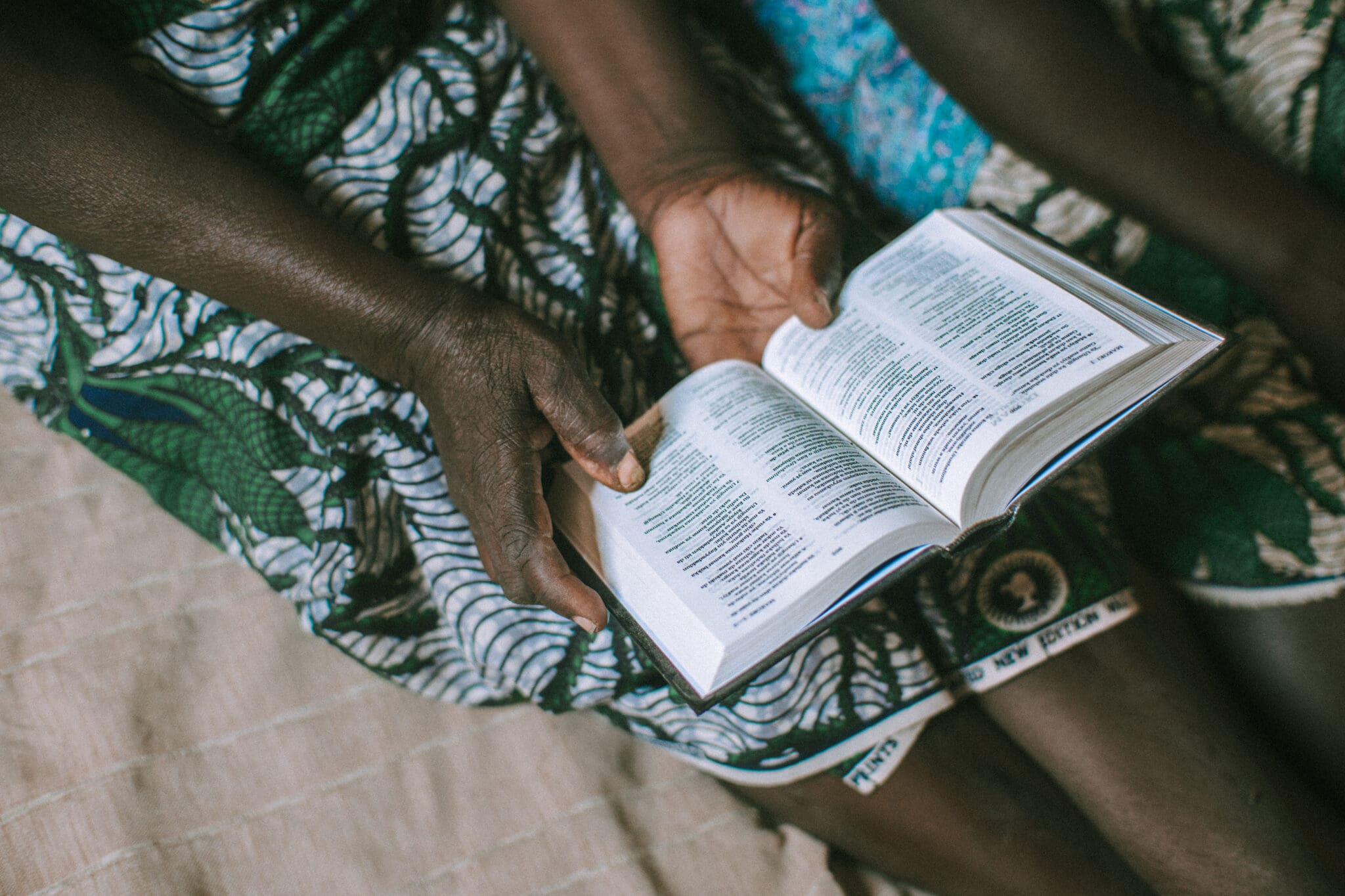
It was at this lowest point that Safiratu met a pastor conducting outreach supported by Global Christian Relief. He immediately took action. Through GCR’s support, Safiratu received a new home where she could reunite with her children, seeds for a vegetable garden, and resources to start a small business. Crucially, she also received medical care, trauma counseling, and spiritual discipleship that helped her begin the journey toward healing and forgiveness. Today, she sees signs of hope: her husband has recently visited her, an answer to her constant prayers and fasting.
She finds particular comfort in the story of Moses, seeing in his life a pattern of suffering and triumph that mirrors her own journey. Today, she encourages other persecuted Christians: “We must be tried if we believe in Jesus. “Even though He came to this world, He was persecuted. That’s a message for us that we may face difficulty, but we can stand firm in Christ.”
Once a captive of Boko Haram, Safiratu now focuses on reconciliation and hope when she prays. “I want us to be close to God and under his shade,” she said. “I want my children to be educated, to see the light, know the words of God, and live a happy life.” In a region where darkness often seems to prevail, Safiratu’s unwavering faith and gratitude illuminate a path forward, proving that even in the face of terrible persecution, hope and joy can still flourish.
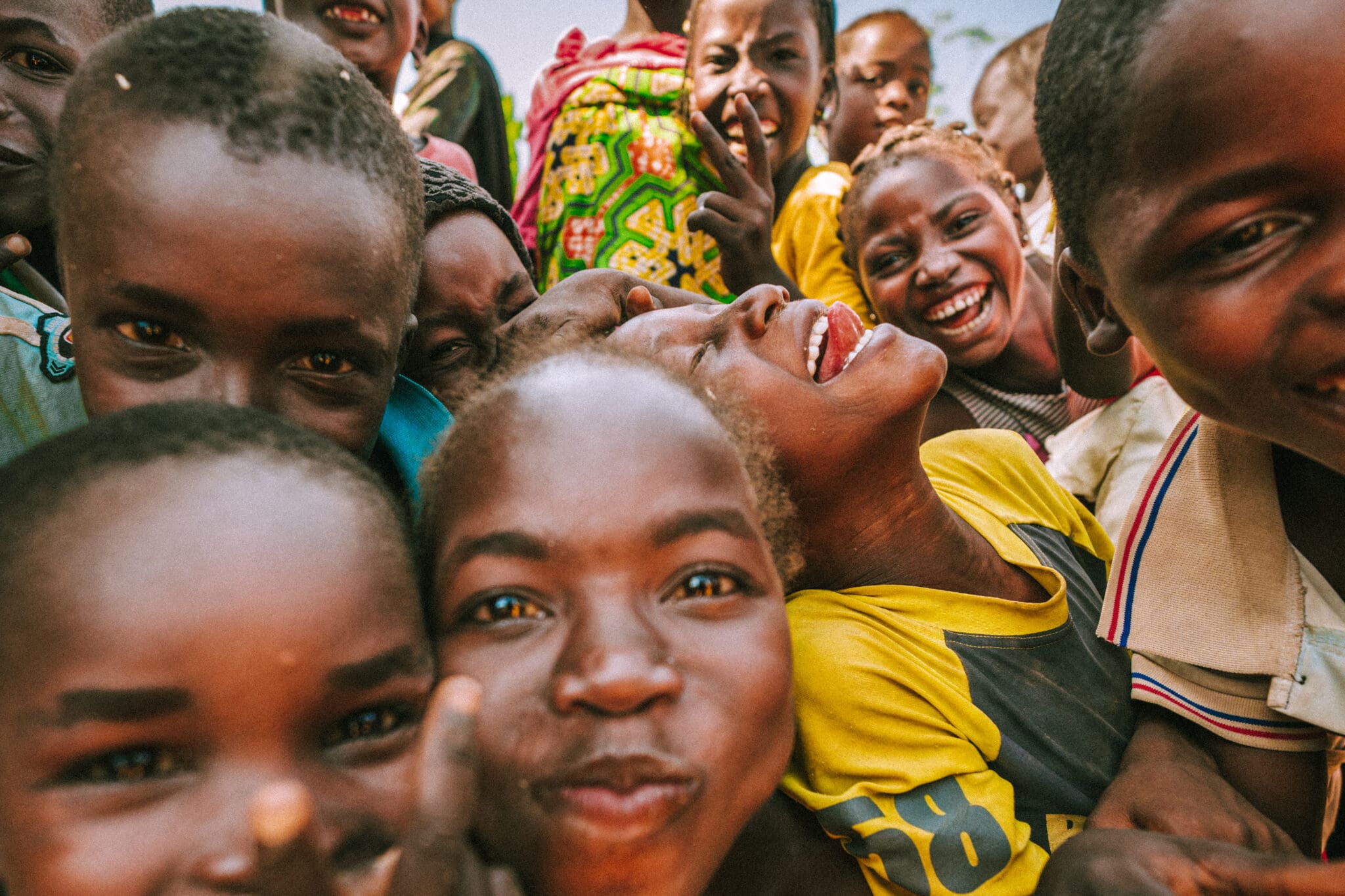
Vulnerable Christians face increasing levels of persecution, not only in Nigeria but all around the globe. Become a Frontline Partner today and your monthly, recurring gift can provide emergency relief and long-term support—plus Bibles, safe shelter, trauma counseling, medical aid, food and more for those in dire need.
