The conflict in Syria is deeply complex, involving political, ethnic, and religious factors that have shaped the region for centuries. But among the many dimensions of the conflict, the religious divide between Islam and Christianity stands out as one of the most historically persistent and culturally significant. If you’ve ever asked, “Which two religions have been in constant conflict in Syria?” the answer most often points to Islam and Christianity.
Understanding the Religious Landscape of Syria
To grasp the depth of the religious conflict in Syria, it’s important to first understand the country’s religious makeup. Islam in Syria is the dominant religion, with roughly 90% of the population identifying as Muslim. The remaining 10% includes Christians, Druze, and other religious minorities.
Christianity in Syria dates back to the first century A.D., making it one of the oldest Christian communities in the world. Syrian Christians have historically lived in relative peace alongside their Muslim neighbors, but tensions have increased dramatically over the past century, particularly during the Syrian civil war.
Why is Syria at War?
So, why is Syria at war? The conflict officially began in 2011 during the Arab Spring, when peaceful protests against President Bashar al-Assad’s regime were met with violent crackdowns. These protests escalated into a civil war that drew in multiple rebel groups, foreign powers, and extremist groups. What started as a political uprising evolved into a multifaceted war involving sectarian violence, foreign intervention, and deep-rooted religious conflict in Syria.
Islam and Christianity in the Crossfire
Although the main political actors are not strictly fighting over religious differences, religious groups have suffered as part of the broader power struggle. The Syrian government forces, dominated by the Alawite sect (a minority Shiite Muslim offshoot), have targeted Sunni rebel groups, but Christian communities also have been caught in the middle.
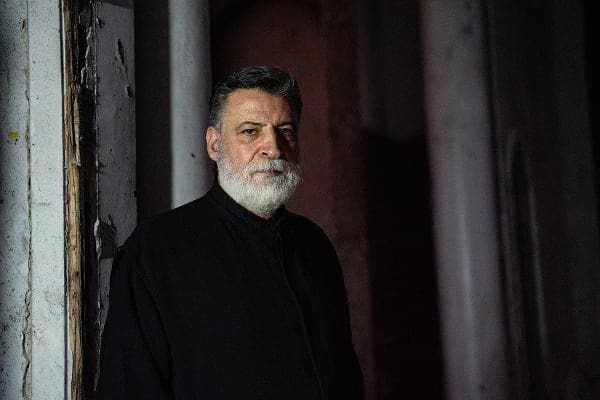
Meanwhile, armed groups such as ISIS and other Islamist militants have targeted Christians directly. Churches have been destroyed, priests kidnapped, and entire Christian towns depopulated. These attacks are not just acts of war but also acts of religious persecution aimed at eliminating Christianity from parts of the Middle East.
ISIS declared Christians to be “infidels,” giving them the ultimatum to convert, flee, or be killed.
Christian women and girls were often kidnapped, forced into marriages, or used as leverage against local communities.
Despite these horrors, many Syrian Christians have chosen to stay, preserving their faith under impossible conditions. However, the Christian population has dropped significantly since the beginning of the war.
Who Is Fighting in Syria?
Understanding who is fighting in Syria helps clarify how the religious conflict has intensified. Major factions have included:
- The Syrian regime, led by Assad and backed by Russia and Iran, collapsed in November 2024. Assad fled to exile in Russia.
- A transitional president, Ahmed al-Sharaa, was named in January 2025. Al-Sharaa is the former leader of the Ha’yat Tahrir al-Sham rebel group.
- Sunni rebel groups, some of which are backed by the U.S., Turkey, and Gulf states.
- Kurdish forces in the northeast.
- Jihadist extremist groups like ISIS.
Each of these factions has their own relationship with religious minorities, particularly Christians. Some offer protection; others enforce religious conformity. In many cases, Christian communities have had to align themselves with whoever offers the most security.
The Role of the Alawite Sect
The Alawite sect, though a minority, held a significant grip on power due to Assad’s lineage. This exacerbated tensions with Sunni Muslims, who make up the majority of Syrian people. The Alawite-led government generally protected Christian communities, but its repression of Sunnis fueled extremism and widened sectarian divides.
Long-Term Effects on Christian Communities
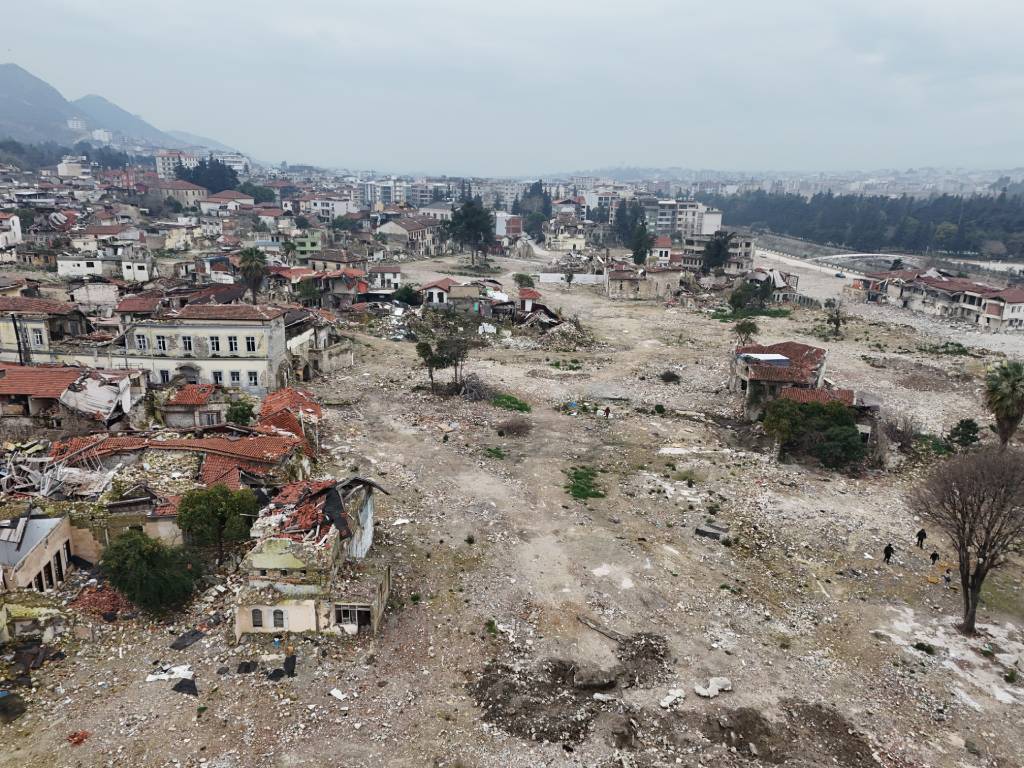
The long-standing conflicts in Syria have left Christian populations fragmented and endangered. Entire towns that were once thriving Christian hubs now lie in ruins. Clergy have been executed, and congregations scattered across the globe.
The number of Christians in Syria has dropped from 1.5 million before the war to fewer than 500,000 today.
Many of those who remain are internally displaced or living in dire humanitarian conditions.
Christian communities have faced immense challenges: lack of medical care, destroyed infrastructure, and little international aid. Yet they remain resilient, striving to rebuild and hold onto their heritage.
A Complicated Future
The religious dimension of the Syrian war has added a heartbreaking layer to an already devastating conflict. While political resolutions may eventually be negotiated, healing the sectarian wounds will take generations.
Islam and Christianity, the two religions most often in constant conflict in Syria, have deep historical roots that tie them to the land and its people. Their future in Syria will depend on efforts for peace, reconciliation, and international support.
The Middle East as a whole stands at a crossroads, where coexistence and tolerance must be chosen over division and hatred.
The Bottom Line
So, to answer the question, “Which two religions have been in constant conflict in Syria?” The answer is Islam and Christianity, though it’s crucial to remember that the conflict is deeply layered. Religion is often used as a weapon or a shield in a war that is as political as it is sectarian.
To rebuild Syria, and to protect its Christian heritage, the international community must acknowledge the religious dimensions of the war. Only through a multifaceted approach that includes diplomacy, humanitarian aid, and interfaith dialogue can true healing begin.
Let us hope for a Syria where Muslim and Christian communities can once again live in peace, side by side.


 MY ACCOUNT