


 MY ACCOUNT
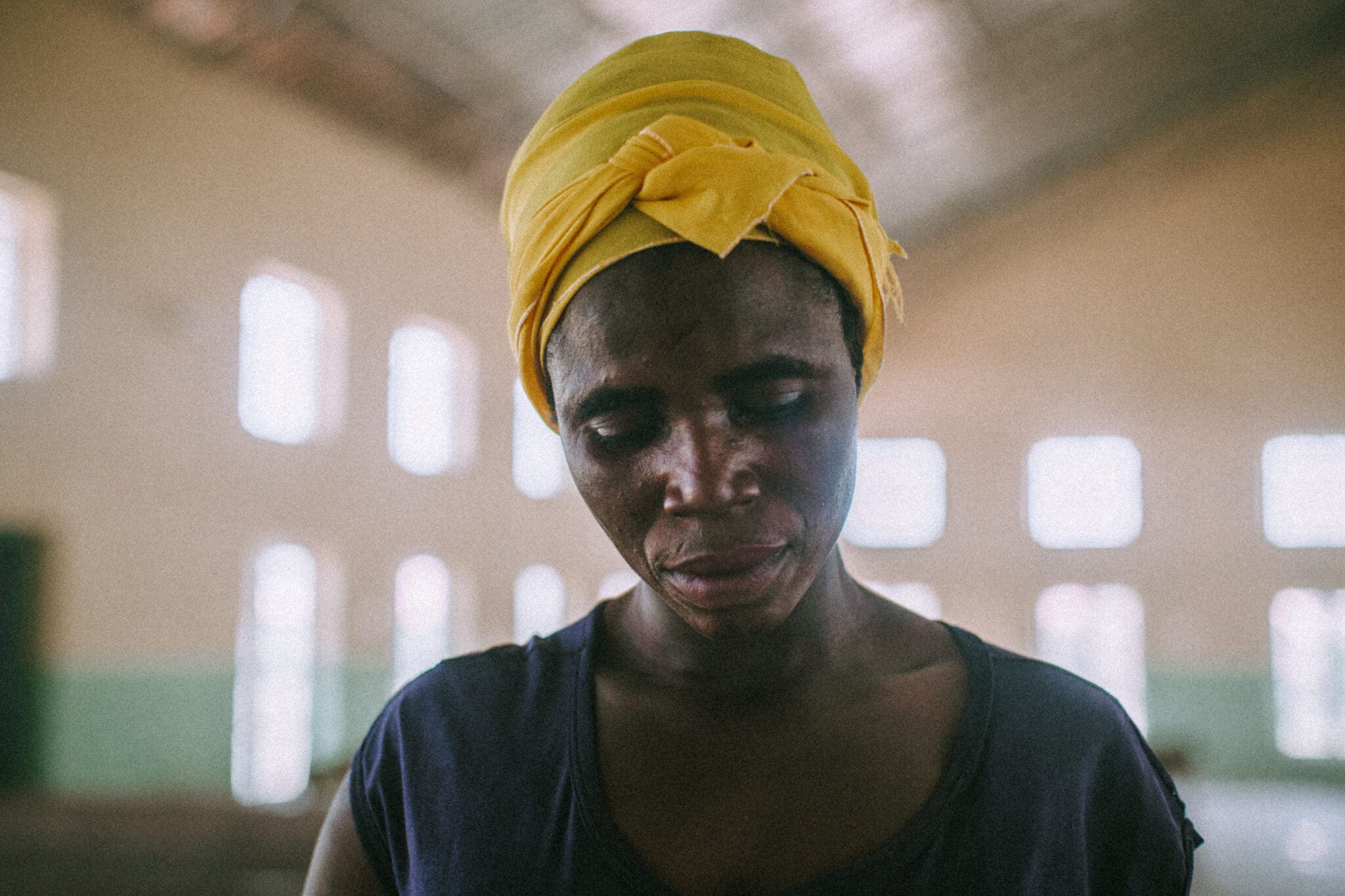
On a warm morning in northern Nigeria, we found Tabitha tending to her growing farm. Cattle grazed in the distance while goats and a line of ducks made their way along the side of her home toward the fields. As she walked us through her property, a gentle smile crossed her face. “We are truly grateful,” she said, gesturing to her livestock. “If not for the love of God, we never imagined anyone would help us.” The contentment in her voice masked a lifetime of hardship that began long before she first experienced persecution by Boko Haram.
When she was only eight years old, Tabitha and her family were driven from their home, outcasts among their Muslim relatives simply for being Christian. They took refuge in a small hut on the outskirts of town, where her deaf father and determined mother taught her first lesson in faithfulness: God provides even when family rejects you.
By 2014, Tabitha had built a peaceful life with her husband and two children. Then came the whispers—stories of a group called Boko Haram moving village to village, delivering ultimatums: convert to their extreme version of Islam or die. The threats materialized one day as Tabitha and her husband worked their field. “I used to think Boko Haram were just animals living in the bush,” she recalled. “I never believed a human being could kill another human being.” When militants emerged from the brush, her husband fled through the river. She never saw him again.
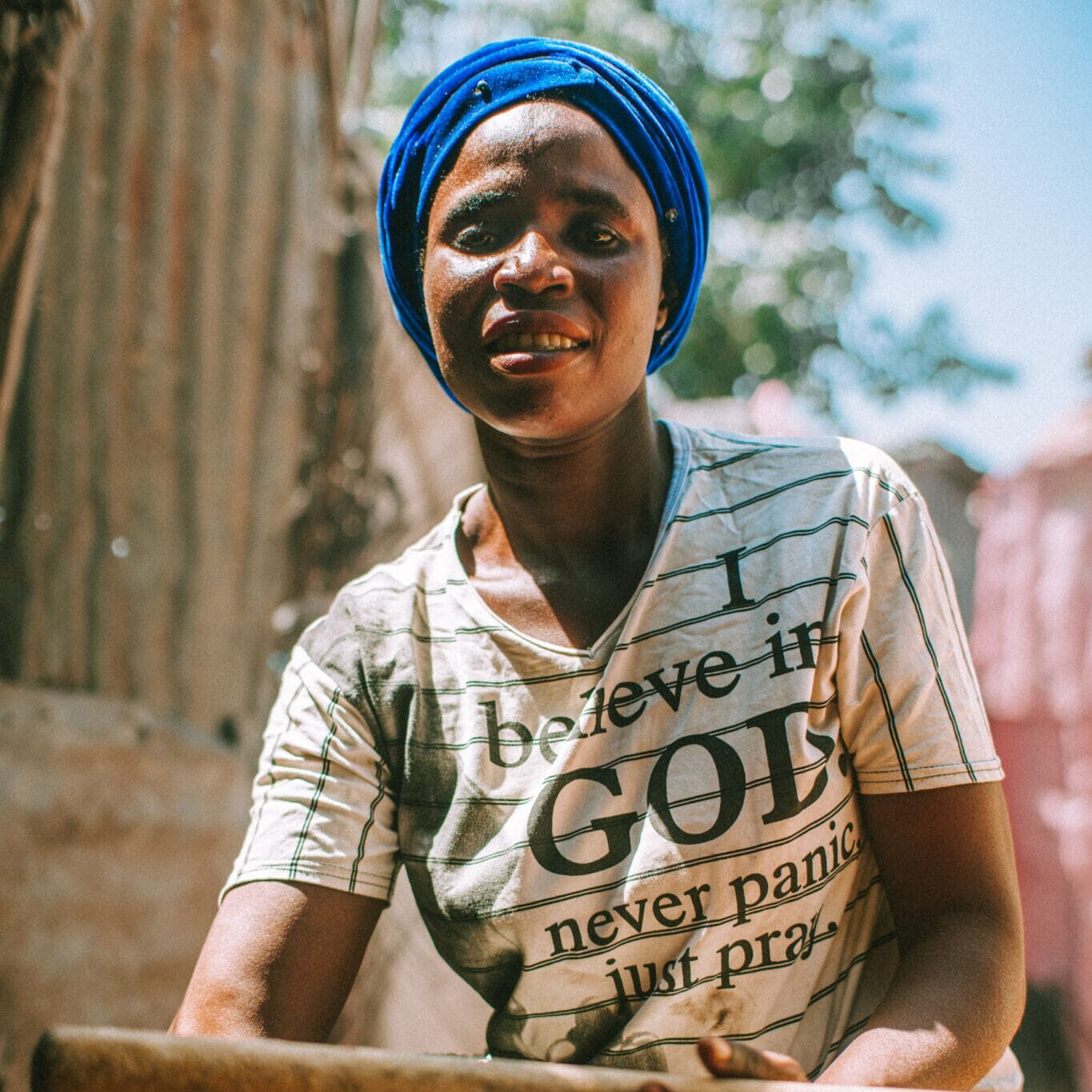
Captured by terrorists
The occupation that followed revealed horrors she never imagined possible. Boko Haram fighters moved into the village, targeting Christians with calculated brutality. They murdered the village pastor as he sat in his chair one afternoon. “After that, they started gathering men who were seated under trees,” Tabitha recounted. “Those who tried to escape were shot. Those who were caught were tied to their motorcycles, taken to the outskirts, and slaughtered. They separated their heads from their bodies. We had to dig holes and bury them at night.” In the terrifying quiet that followed, she recalled, “Not even the sounds of birds would you hear. You would only hear the sounds of Boko Haram.”
Facing pressure to convert and escape persecution by Boko Haram, Tabitha grappled with an impossible question: “Is it better to reject Jesus, or die?”
“I knew I would rather die righteously than die in sin,” she said. “When I realized this, I stopped fearing them. My only fear was for my family.”
Escape seemed impossible with the village surrounded and monitored from within. Yet help came through an unlikely source—Hassan, a local village member turned Boko Haram fighter who began secretly guiding villagers to safety at night. His compassion cost him his life, but not before he helped many escape.
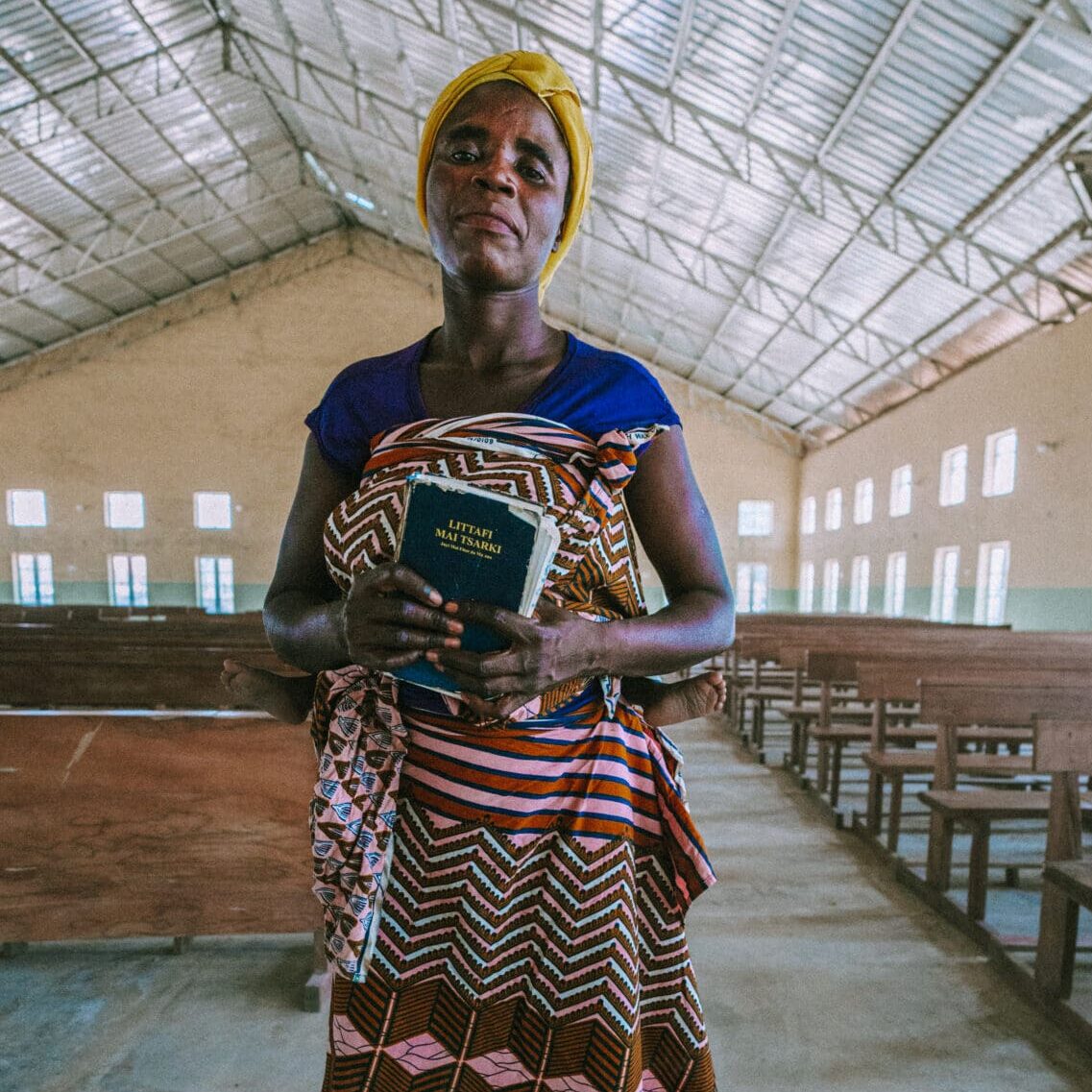
Tabitha’s chance came when militants left for a nearby attack. In the dark of night, she fled with her children to the mountains. “We never believed we would survive,” she said. “We were just running wherever God led us, praying for safety.” The exodus exacted a brutal toll: her mother-in-law captured, two young nephews claimed by cholera. “There was no food nor drinking water. Some were drinking from the river. There was an outbreak of cholera, which killed both children,” she recalled, the pain still evident in her voice. Fourteen family members’ fates remain unknown.
When she finally returned to her village a year later, she found only ashes and bones. “Everything was as flat as mats,” she remembered. “All you would see outside were people’s skeletons.” With nowhere else to go, she joined thousands of other displaced Christians in a camp.
Life after persecution by Boko Haram
It was here that Global Christian Relief’s local partners found Tabitha. “They came and taught us about forgiving those who have harmed us,” she said. “They gave us capital to start up a business.” That initial support transformed into a thriving farm. “When we got the loan, we started gradually. I began with rearing goats, but now I rear cattle. We’ve fenced this place and built small rooms because I have calves.” More importantly, her children were back in school and she spoke of the future with quiet confidence.
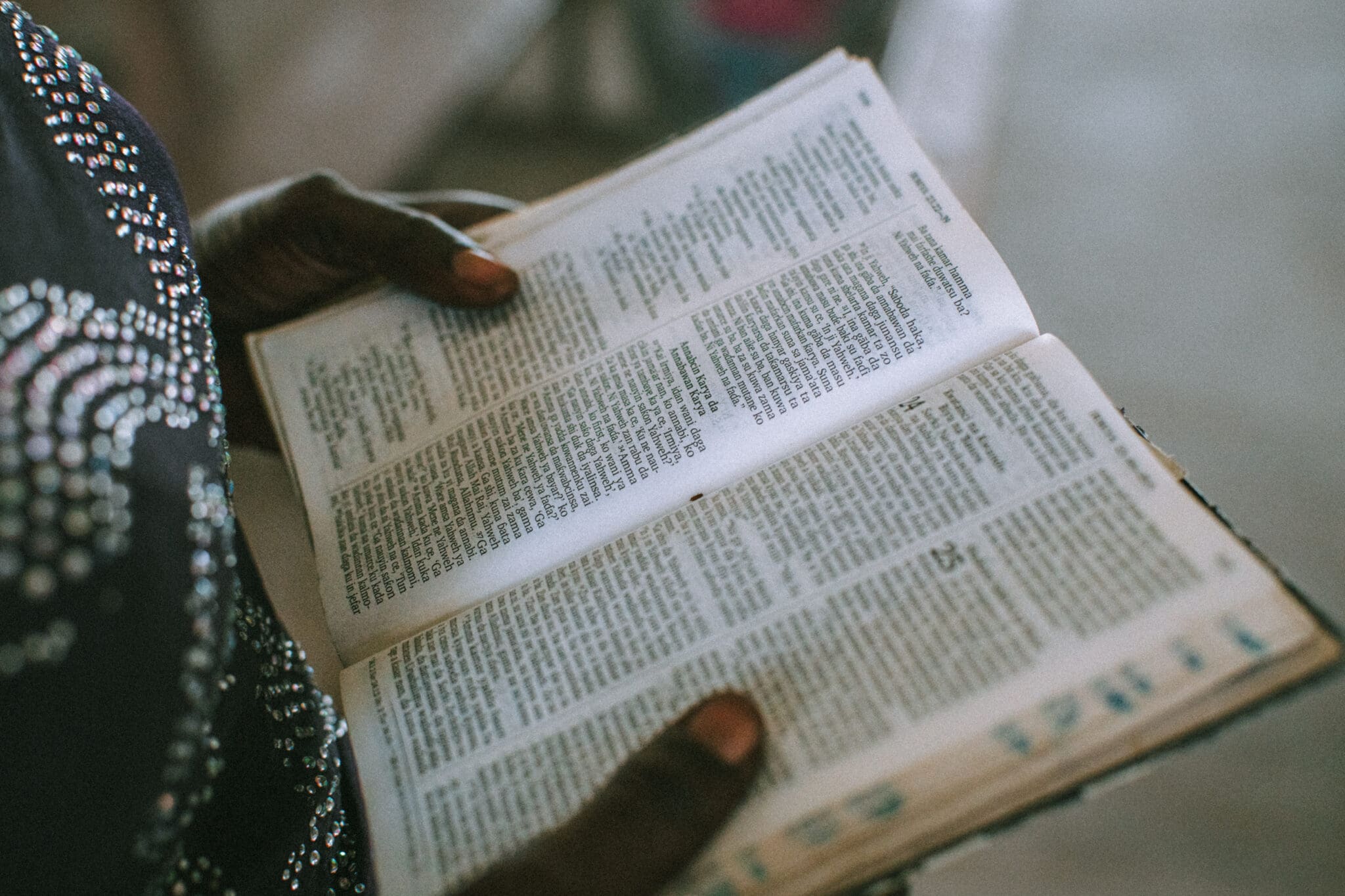
“It doesn’t even feel like I live in the same world,” she reflected. “We are now able to read the Bible. We are now able to forgive our enemies. We can stand on our own feet.” As a survivor of persecution by Boko Haram, her transformation extends beyond material success—she’s found strength in scripture she never knew before. “If you read what the prophets experienced, you’ll see that suffering did not start with you, but with our brothers and sisters before we were born. We should be ready to endure hardships for the sake of God.”
For those whose support made her recovery possible, Tabitha offered a profound perspective: “The money they are sending is not diminishing; instead, it’s being used to build a home for them in heaven. This kingdom will pass away, but the one you are building is eternal.”

Vulnerable Christians face increasing levels of persecution, not only in Nigeria but all around the globe. Become a Frontline Partner today and your monthly, recurring gift can provide emergency relief and long-term support—plus Bibles, safe shelter, trauma counseling, medical aid, food and more for those in dire need.
