


 MY ACCOUNT
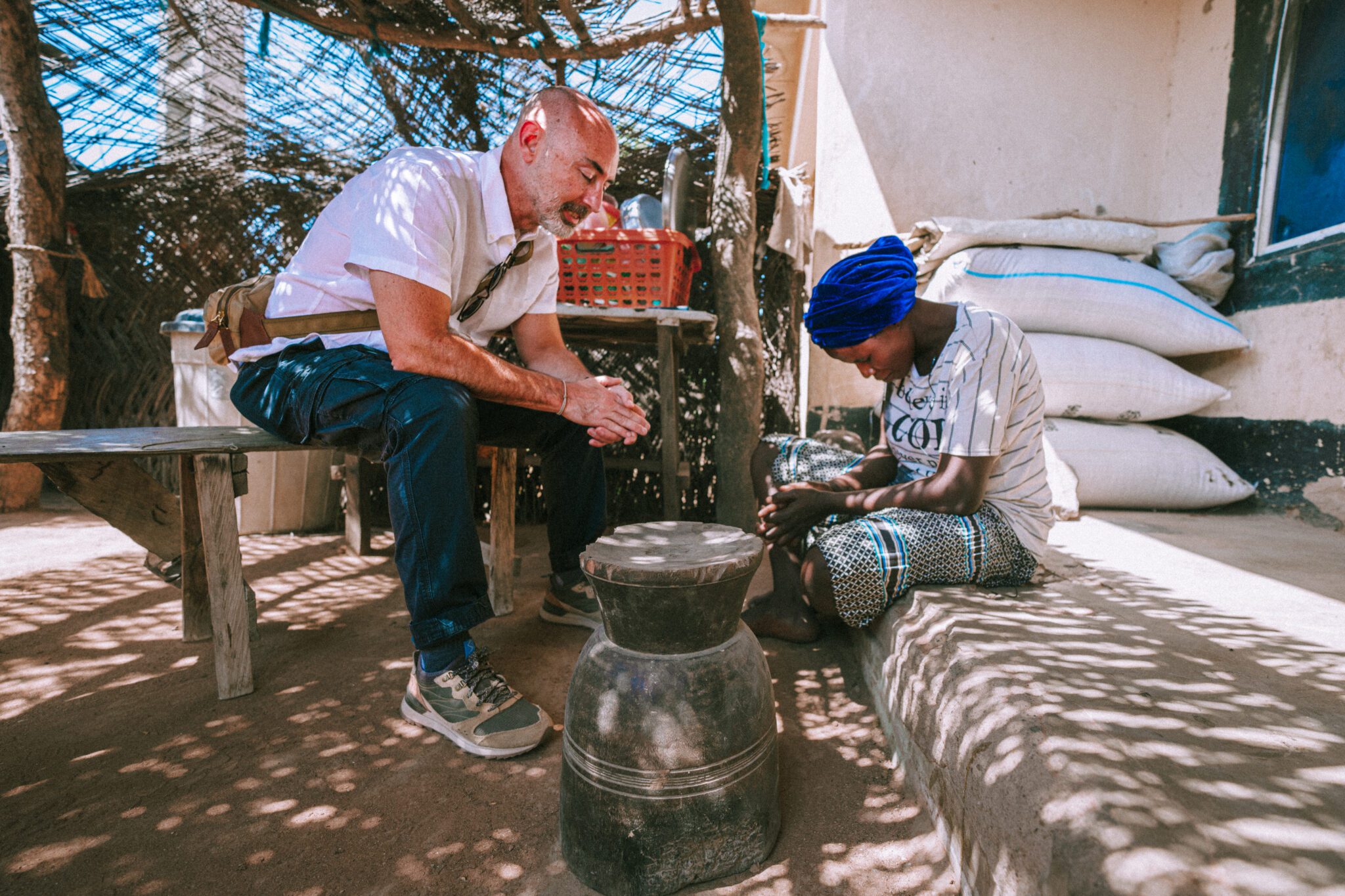
You’ve felt it growing. God is opening your eyes to the needs of the persecuted church. You want your church to learn, pray, and remember our global family. But you also know your pastor’s time is tight and Sundays move fast.
This guide helps you take a simple, pastor‑friendly first step. You’ll pray first, make one clear ask, and carry the logistics so your pastor can lead from a place of peace. Start with your pastor because your pastor stewards your church’s mission and your church’s calendar. Beginning there honors leadership, prevents last‑minute surprises, and makes a yes more likely. It also serves discipleship. When your church prays for suffering believers by name, people learn to love the Body of Christ beyond your zip code.

Pray First
Before you talk, pray. Ask God to shape your heart, your timing, and your tone. Invite one trusted friend or family member to pray with you, not for outcomes but for faithfulness, clarity, and care. You’re seeking the smallest faithful step that serves your church right now.
- Pray for your pastor’s rest, wisdom, and protection.
- Pray for discernment to choose one clear ask that fits your church’s rhythms.
- Pray for your own humility and a servant’s posture.
Here’s a short prayer you can use for discernment during this time: “Lord, guide my words and my timing. Bless Pastor [Name] with wisdom and rest. Surround this with prayer from our church family. Show us one faithful next step to remember our persecuted family, and help me serve our church with humility and clarity. Amen.”
The Hallway Moment (No Ambush!)
Sunday is fast. Honor that pace. Your single goal in the hallway is to request a short sit‑down and permission to email a one‑page overview so your pastor can see the need at a glance and consider a simple next step later.
Use This 30‑Second Hallway Opener: “Pastor, God’s been opening my eyes to the needs of the persecuted church. I’m praying for a concrete way our church can learn and pray. Could we grab 10 to 15 minutes this week to talk? I’ll email you a one‑page overview and a couple of time options.”
Same day, follow through. Email the “What Is Christian Persecution?” one‑pager and propose two or three time options for a 10–20‑minute sit‑down.
Decide Your One Ask
Clarity serves your pastor, and prayer clarifies your next step. Before you choose, pause and pray: “Lord, show me the smallest faithful step that fits our church right now.” Ask one friend or family member to pray with you as you decide. Your goal is a single, pastor‑friendly ask, either from the examples below or something unique to your church’s rhythms.
Here are a few possible ideas to get you started:
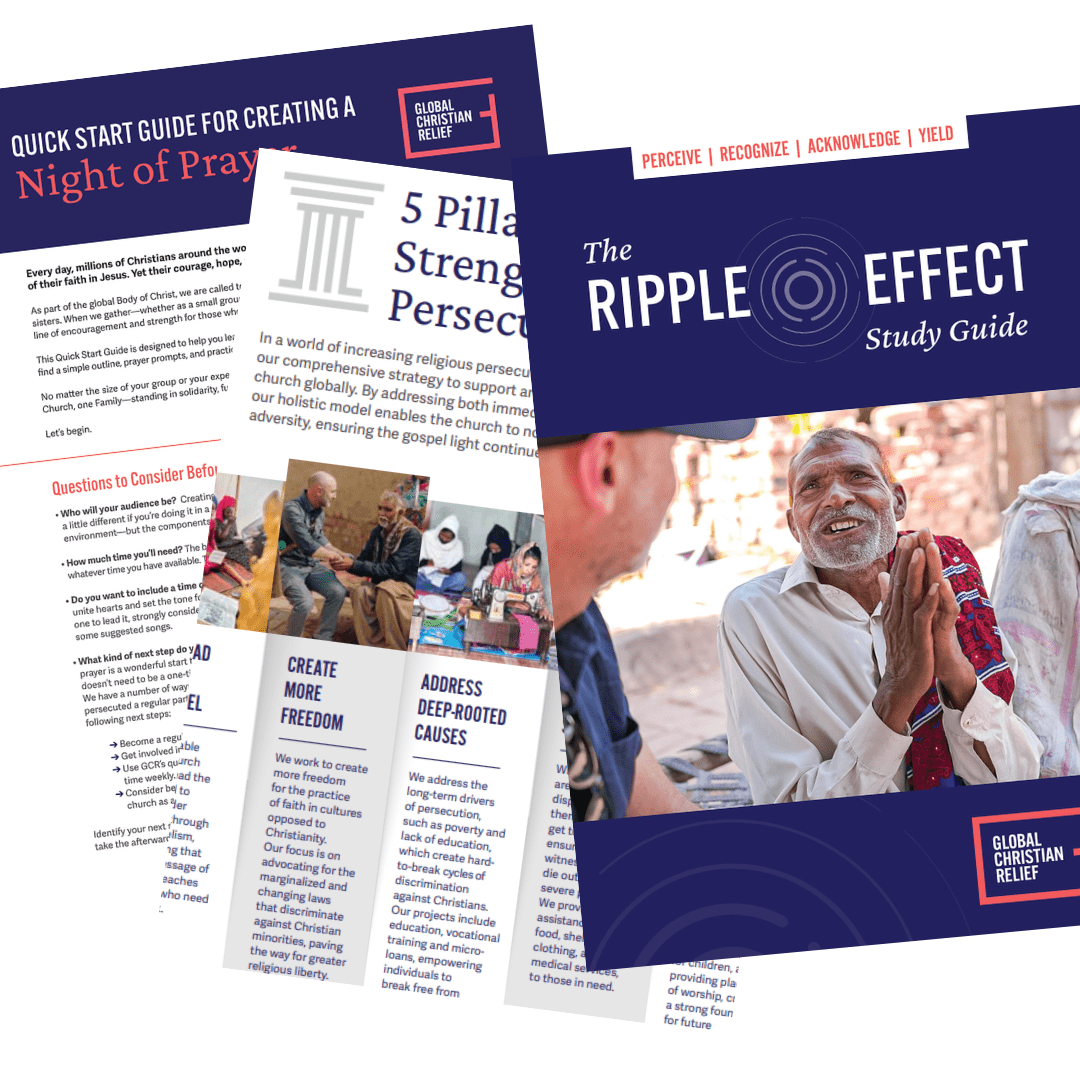
- Two‑to‑three‑minute service prayer moment: a short story plus guided prayer. You’ll bring a tight slide deck. (Prayer Guide & Slide Deck)
- Church announcement (pastor or you): a ready script centered on family language, prayer, and response. (Announcement Script)
- Bulletin insert on a set Sunday: a printable two‑up handout with QR codes for prayer and giving). (Bulletin Insert PDF)
- Single‑session “taster” for a class or small group: Standing with the Persecuted Church: One Church, One Family. (Single‑Session Study)
- Four‑week small‑group study: The Ripple Effect. (Four‑Week Study)
- Children's ministry lesson on persecution (Courageous Faith Kids Experience)
“Lord, show me the smallest faithful step that fits our church right now.”
— Your Prayer Before Talking with Your PastorThe Sit‑Down Conversation
Go in to serve and to listen. Start warm, reference the one‑pager you sent, and let your pastor speak into the “how.” Then, if they’re open, offer your single ask as the ready option.
You might say: “Pastor, thanks again for making time. You saw the one‑page overview we sent. What stood out to you? Anything you’d want our people to hear first as we introduce this?”
Give space for the response. If a direction is suggested, affirm it and build from there: “That’s helpful. We can absolutely do that.”
If no preference emerges, offer your one clear step: “Here’s a simple option I’ve prayed about our season. A two‑to‑three‑minute moment in a Sunday service. A short story and guided prayer for persecuted believers. I’ll keep it tight and bring a short slide deck so it’s easy on staff and volunteers.” Set a gentle boundary: “I’ll stay inside three minutes.” Show how you’ll carry the load: “I’ll handle slides, a brief script, and bring a few handouts like the one‑pager for anyone who wants more.”
Leave room for leadership: “Is there a way you’d prefer we help our church remember the persecuted? An announcement, a bulletin insert, or something that fits a Sunday you already have in mind?” If an alternate path is proposed, respond with confidence: “Great. I can adapt to that and put a simple plan together.”
Turn to timing without pressure: “Would it serve to pair this with Missions Sunday, or would the first Sunday next month work better?” If more process is needed: “I can send a one‑page plan with draft language and slides by Wednesday for approval.”
Here are quick responses to common pastor questions (of course, some of the answers will change, depending upon what your next step will be):
- How long will this take in the service? “I’ll stay within the agreed window. Two to three minutes, max.”
- What do you need from me? “Only your green light and timing. I’ll take care of the logistics and recruit some other people to help if needed.”
- How much ongoing commitment does this create? “None required. This is a single step. If we believe God is leading us toward another step, we can take it then.”
- How does this serve our discipleship? “It helps our people remember our global family and pray with understanding. We also have a lot we can learn from the persecuted church about what it means to follow Jesus in our community.”
- Where does this fit on the calendar? “We can adapt it to fit a variety of times on our calendar.”
- Who’s handling logistics? “I will. Slides, script, printing, and setup. I’ll make it light on you and the staff.”
- Is there any cost? “The materials are all provided. We may need to make some copies, but that won’t be expensive.”
Close with clarity and care. Recap what you heard: “So we’re set for [date/venue], three minutes, and I’ll send slides and draft language by Wednesday.” Offer to pray briefly for the church and for persecuted believers.
Before you leave, confirm how and when you’ll follow up. The same day, send a short thank you and the promised materials. If a time wasn’t set, offer two options within 24-48 hours. If plans shift, stay flexible and keep carrying the work so your pastor can say yes with peace.
You don’t need a big program to begin. Just a faithful next step. Pray first, start with your pastor, choose one clear ask, and carry the load. That’s how a small moment becomes a steady rhythm of remembering our persecuted family.

Stand With The Global Church Become an Advocate for the Persecuted Church
The momentum you feel doesn’t have to fade after one Sunday. As a GCR Advocate, you help your church remember our global family all year – through prayer, stories, and next steps that fit your rhythms. We’ll equip you and walk with you as you serve your church.
What you’ll get right away:
- Quick Start Guide to map your first 30 days.
- Prayer Guide & Slide Deck for a 2–3‑minute service moment.
- Monthly updates with fresh prayer needs and plug‑and‑play tools.
- Much more!
