


 MY ACCOUNT
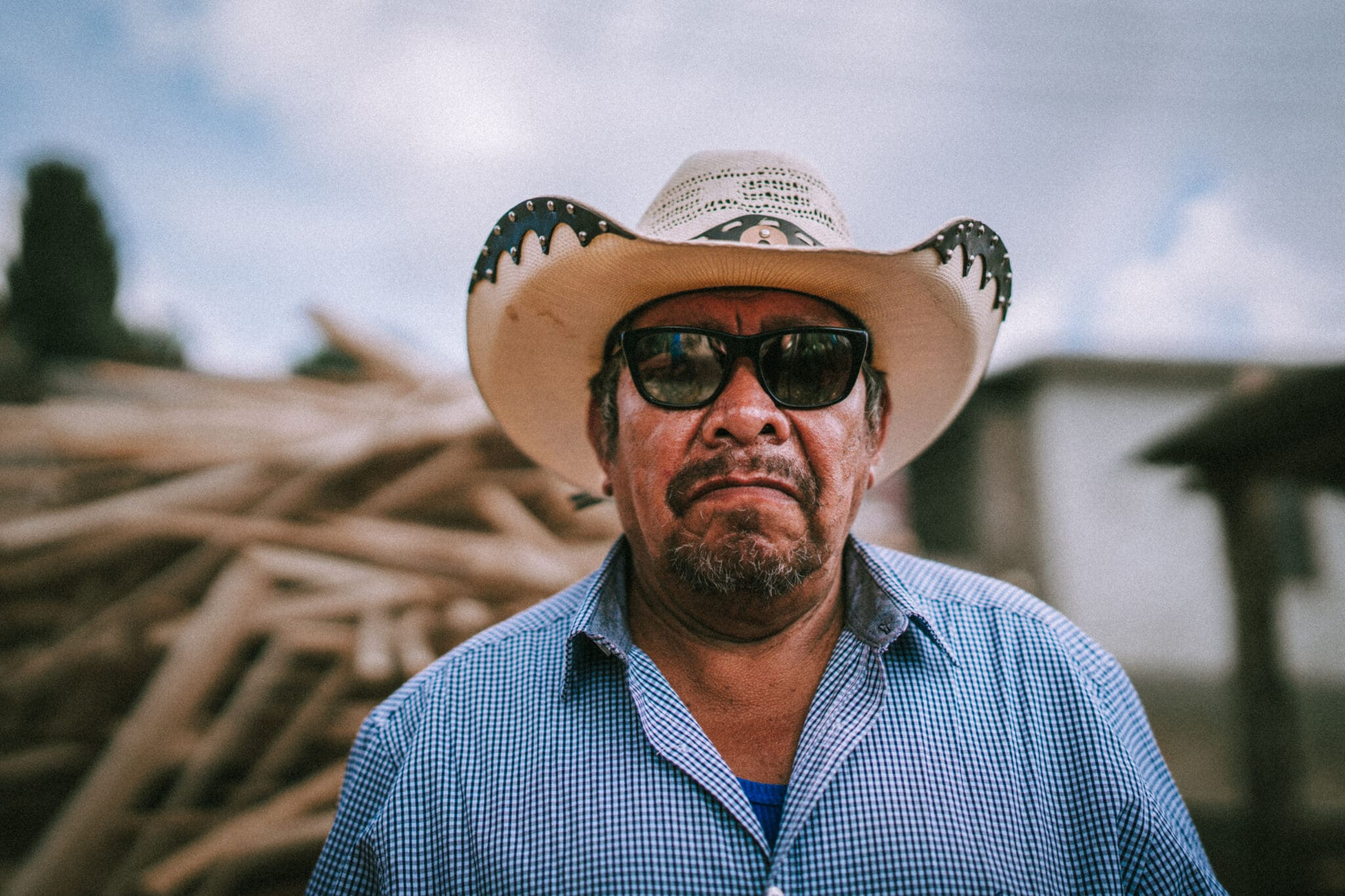
The smell of freshly cut wood hits me before I see anything else. Piles of it everywhere – some split fine, some roughly hewn, all of it speaking to the physical demands of Aurelio’s daily life here in Mexico, in the mountains of Chiapas. He greets us with a quick smile behind his big sunglasses, eager to show us something he calls his “little radio.”
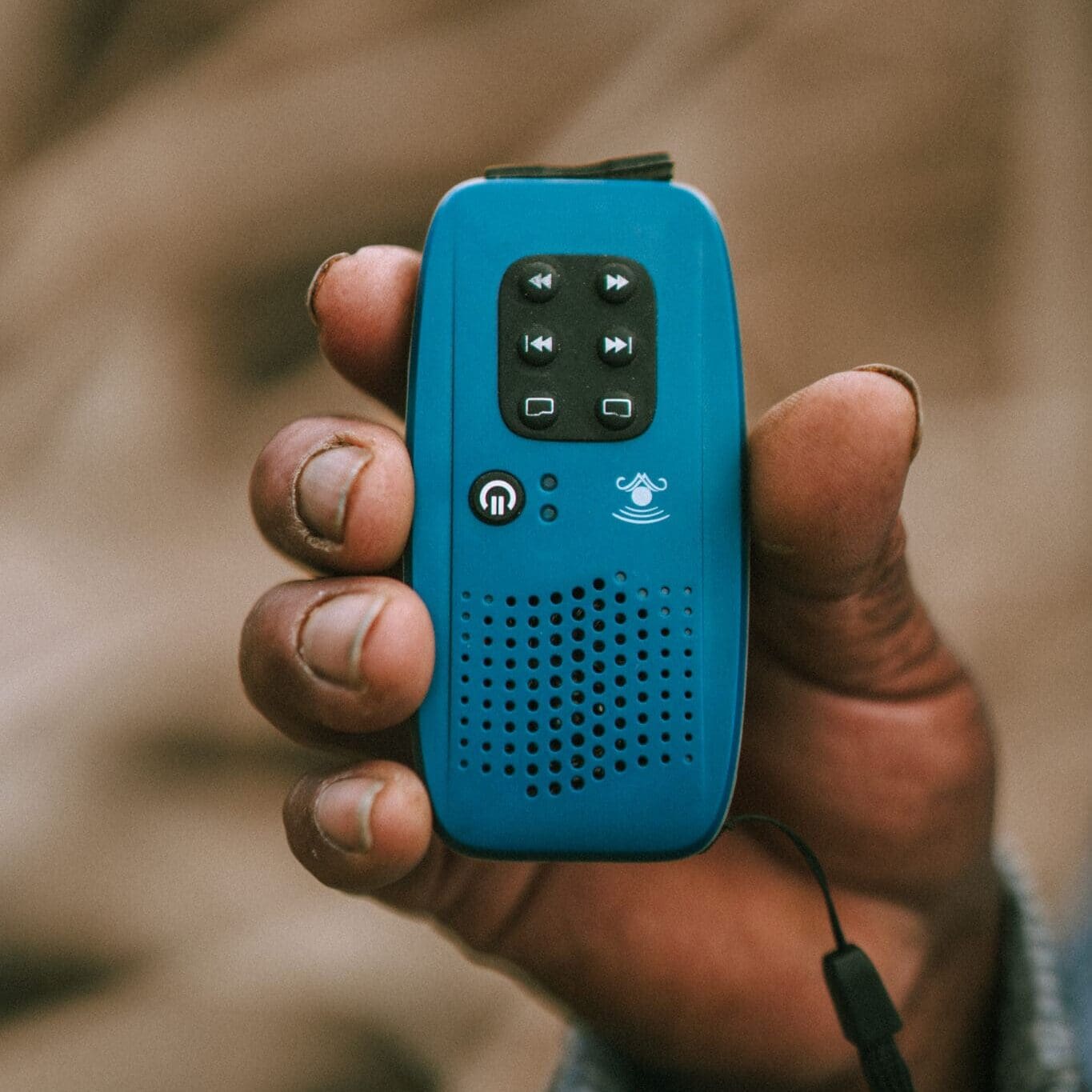
It’s an audio Bible, and within minutes he’s playing it for us in Tzotzil, his indigenous language. His face lights up as the familiar words fill the courtyard of his home. “I can listen while I work,” he tells me, patting the pocket where he carries it. “Even when I’m cutting wood.”
Finding Faith
Aurelio’s path to this moment wasn’t straightforward. Years ago, his cousin went looking for a festival, planning to dance. Instead, he accidentally walked into a Christian church service. Something changed in him that day, and soon he was sending messages to Aurelio: “Come to this church I’m attending.”
Aurelio was more than just upset – he was hostile to the idea. His world was deeply intertwined with both traditional indigenous beliefs and Catholic practices. Through the local priests, particularly Bishop Samuel Ruiz, he was connected to the Zapatista movement fighting for indigenous rights. Christianity represented everything he stood against. The priests he knew weren’t just religious figures – they were leaders in a struggle mixing revolutionary politics with religious authority.
“I didn’t think,” he tells me, describing his initial reaction. “I felt angry.” He even told his cousin he would go ask the priests if what the Christians were saying was true. But his cousin gave him a Bible, and though Aurelio couldn’t read it himself, his wife could read a little. Eventually, he found himself listening to Scripture for the first time.
What he heard changed everything. “I was very lazy before,” he says matter-of-factly. “I drank a lot. I bothered people.” He pauses, then breaks into another smile. “But thanks to God, now I am happy. I am calm.”
A Home Built by Hand
The evidence of his new life is everywhere. Tools line the shelves of his workspace – enough to make American craftsmen jealous, I tell him. High ceilings in the bedrooms speak to skilled labor. The central courtyard where we sit feels built for community, for family gathering around God’s Word.
But it wasn’t always like this. When Christians in his previous village started facing persecution – their houses burned, their land stolen – Aurelio saw what was coming. He sold his land and moved his family here, to a community founded by other believers fleeing violence. “I can’t lie,” he says. “We never had persecution ourselves. I left on purpose.”
Daily Bread, Daily Word
Now his days start at four or five in the morning. He drinks coffee, then heads out to work – cutting wood, farming, tending to his animals. It’s the kind of physical labor that leaves little time for reading, even if he could. Like many adults in this region, Aurelio never learned. Here, children often leave school at age 12 to work, continuing a cycle of limited literacy that spans generations.
That’s what makes Aurelio’s “little radio” so remarkable. “When I go to work, I always take it in my bag,” he tells me, showing how he carries the audio Bible. Since it’s rechargeable by sunlight, he can listen all day while he works. His wife listens too, and sometimes his grandchildren borrow it. Even his neighbors hear God’s Word when they work nearby.
The Power of Hearing with Audio Bibles
Pastor Roman, who serves this community, explains how audio Bibles are transforming families here. “In many countries, there are so many distractions – television, Netflix, phones,” he says. “But here, when father comes home from work at 4, they eat by 5, and if it’s a church day, they go to service. There’s no television, no cinema.”
In this context, audio Bibles fill a crucial gap. Just as families once gathered around secular radios in amazement at hearing broadcasts for the first time, now they gather to hear Scripture in their heart language. “The father will call the children to listen in the afternoons,” Pastor Roman tells me. “It becomes like a rule in the house.”
For Aurelio and his wife, this means experiencing Scripture together in ways they never could before. Neither can read well, but now God’s Word fills their home – while she cooks, while he works, while the family gathers in the evening. “It’s different when you just listen to a sermon,” Pastor Roman explains. “But when people hear God’s Word in their mother tongue, something deeper happens.”
Life in The Mountains
Aurelio gives us a tour of his property, proud to show us everything he’s built. Seven chickens and one rooster peck at scattered tortilla crumbs. In his garden, he points out herbs he uses to treat his diabetes. Behind the main house stands another building he uses for storage, and everywhere there’s evidence of his woodworking – piles of lumber in various stages of processing.
The work is hard, but there’s joy in it now. Each morning, he packs his “little radio” along with his tools. Scripture plays while he splits wood, while he tends his garden, while he works alongside neighbors. The same hands that once reached for alcohol now shape lumber to provide for his family. The same ears that once heard revolutionary teaching now drink in psalms and gospels in Tzotzil.
“I feel happy,” he says, gesturing at his home, his family, his work. “I feel grateful.” The smell of fresh-cut wood fills the air again, and I understand what he means. Every piece of lumber here tells a story of transformation, of finding peace not in political movements or alcohol, but in words he can finally hear in his own language, in his own voice, in his own time.
A New Generation
Pastor Roman sees something bigger happening in homes like Aurelio’s. “What parents learn, they transmit to their children – it becomes a rule,” he explains. “We are always telling them to study the Bible, but how can they if they don’t read? Now with the audio Bible, even while they work, they can listen.”
In a community where many adults never learned to read, where children leave school early to work, these “little radios” are opening new paths to understanding Scripture. They’re carried in work bags, played in kitchens, shared with grandchildren. God’s Word spreads through daily life, through physical labor, through family gatherings – not confined to church services or limited by literacy.
I think about Aurelio out here each day, surrounded by piles of wood, the audio Bible playing from his pocket as he works. The transformation is visible not just in his smile or his sobriety, but in how naturally Scripture now flows through his daily life. The same hands that once reached for alcohol now shape lumber to provide for his family. The same community that once gathered to hear revolutionary teachings now comes together around God’s Word in their own language. Every swing of his ax, every board he shapes, every moment with his family carries the promise of something different – not liberation through political struggle, but freedom found in words he can finally understand.
Your support helps provide audio Bibles to believers like Aurelio across Mexico and around the world, allowing God’s Word to reach people in their own languages and transform their daily lives. Become a Frontline Partner today and your monthly, recurring gift can provide emergency relief and long-term support – plus Bibles, safe shelter, trauma counseling, medical aid, food and more for those in dire need.
