


 MY ACCOUNT
At A Glance:
This Mother's Day, celebrate the women and mothers in your life. But don't forget the women who are fighting battles most of us will never face and whose courage puts our comfort in sharp contrast.
Mother-Strong Women
I've witnessed firsthand the strength of mothers in some of the most desperate corners of the world.
This Mother’s Day, I want to introduce you to women whose reality looks starkly different than the version celebrated in the West. For them, freedom isn't a hashtag or a social media campaign. It's a daily, costly fight just to survive. The strength of these mothers is remarkable, not just on Mother’s Day, but every day.
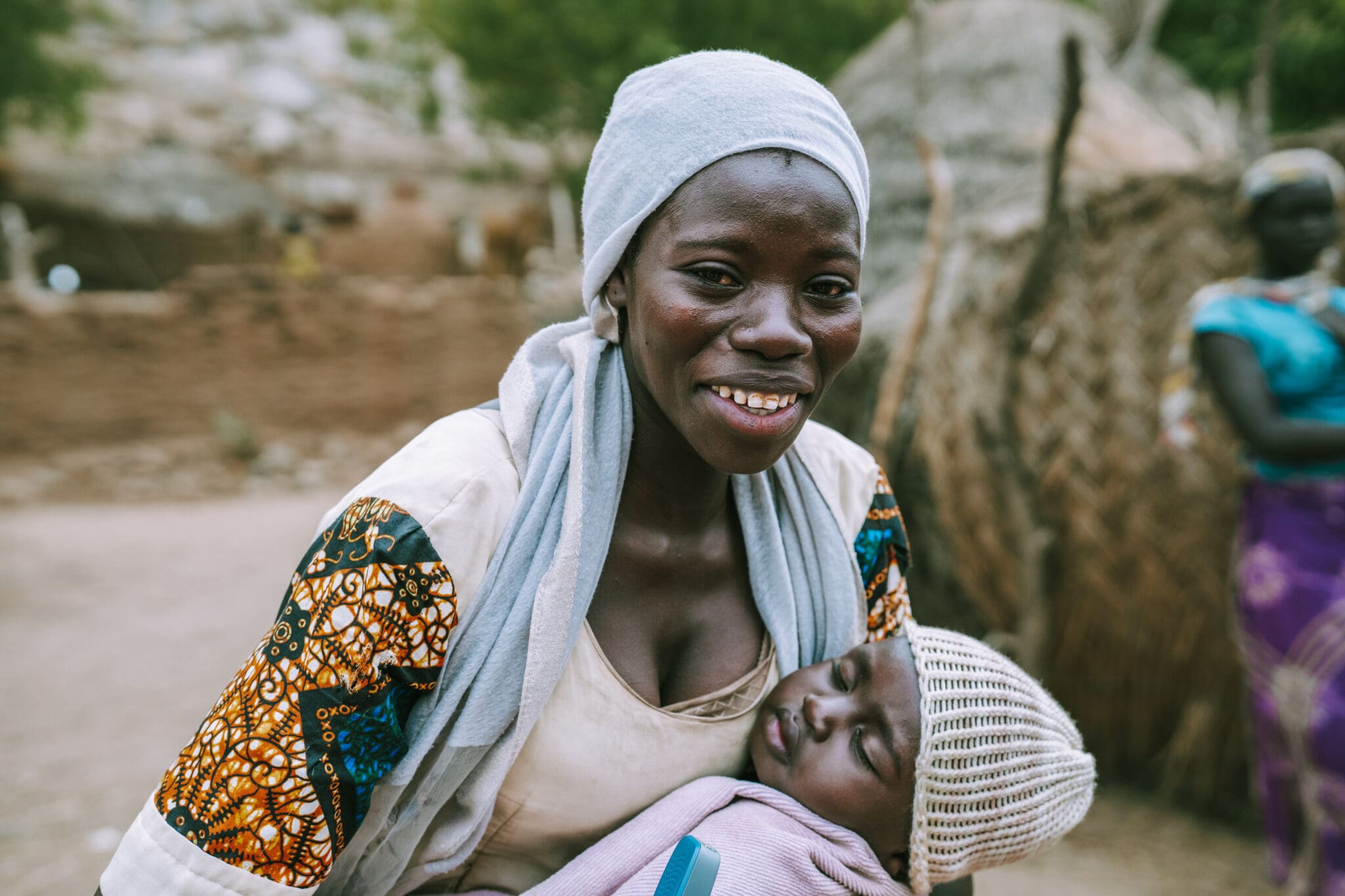
In the sweltering heat of Chad, where temperatures soar above 110℉ before sunrise, an 18-year-old mother named Amina wakes before dawn to care for her infant son David. Amina is one of nine children. She is a Christian whose Muslim husband abandoned her because he could not reconcile their differing faiths. She now lives in her mother's compound as a nonliterate single mother navigating poverty in a country where the literacy rate hovers around 22% and Islamic extremist groups like Boko Haram systematically target Christian communities.
Amina doesn't have the luxury of debating whether she wants flowers or chocolates to celebrate today. While those are all wonderful gestures, for Amina, the absence of a husband means the absence of economic stability, social protection and, in some cases, the right to be heard at all.
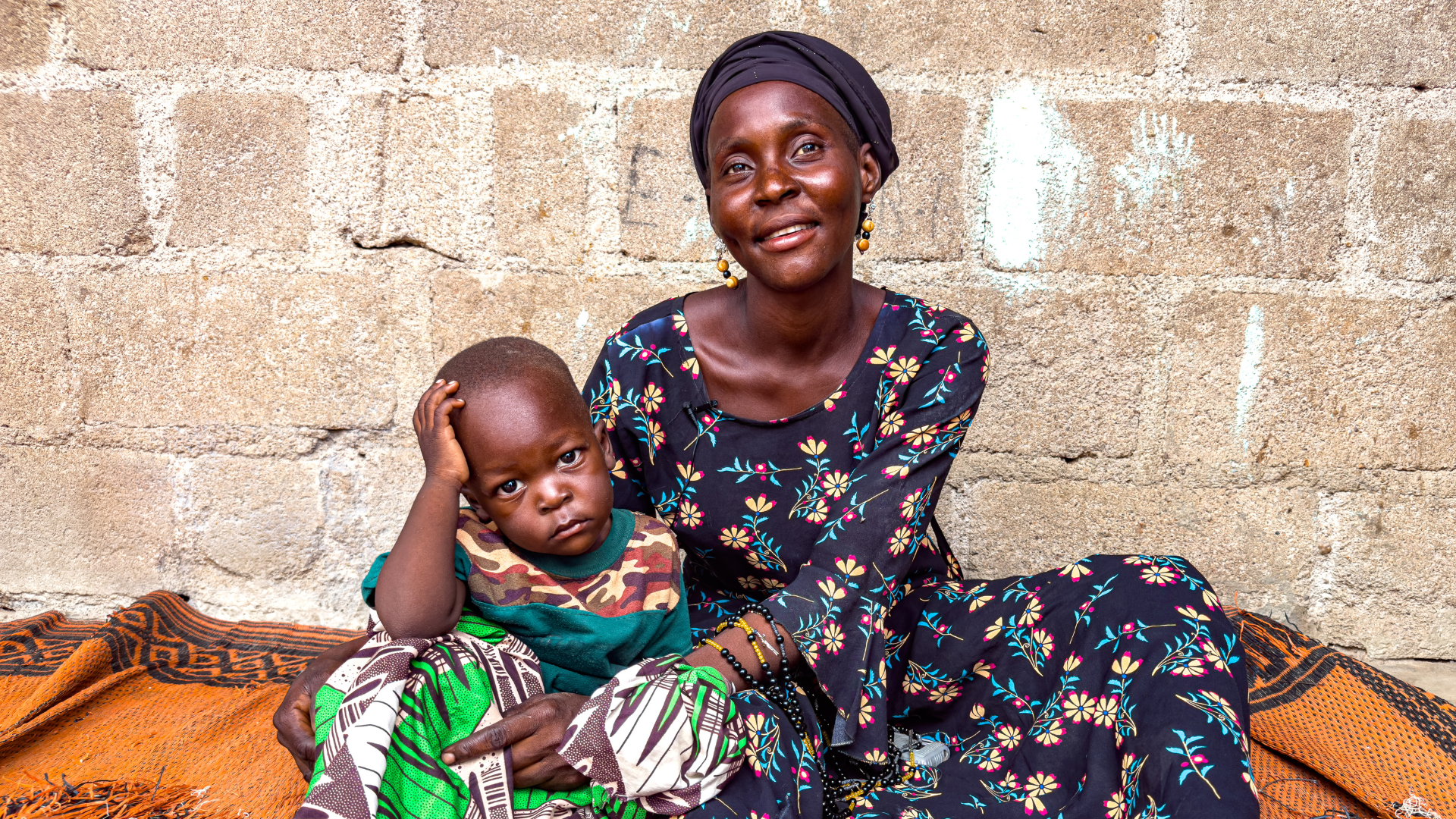
And then there's Mayram, a widow in Pakistan who spent years trapped in a brick kiln working off a debt she could never seem to repay – a form of modern bondage that keeps entire families locked in cycles of poverty for generations. When Mayram’s husband died, he left behind a small plot of land for her. In Pakistan, a widow without a male advocate can lose access to that land entirely. In many developing nations, a woman's ability to own property, secure credit, vote, or access legal protection is directly tied to her marital status. Without a husband, she doesn't just lose a partner, she can lose her legal standing altogether. This kind of conversation about a woman’s independence and what it means to be a widow is something the Western world rarely needs to reckon with.
When Mayram's debt was finally paid by generous Christians, something remarkable happened. She didn't just survive. She began to build. Brick by brick, she constructed a home on the land her late husband had purchased. She bought a water pump. A refrigerator. She enrolled her daughter in a sewing center to learn a trade. She is teaching her children that their story doesn't have to end where it began.
In Chad, 28-year-old Miriam raises three children on her own. She sits beneath the sparse shade of an acacia tree outside the small church where she teaches Sunday school every week. Miriam is a pastor's daughter who knows her Bible well. She has held onto her faith through years of social pressure in a predominantly Muslim community – pressure that proved too great for her two younger brothers, who eventually converted to Islam. Miriam holds on, but her perseverance comes at a price: isolation, family fracture, and the daily weight of choosing a faith that marks her as an outsider.
Widen Your Lens
In many parts of the world, Christian women cannot freely open a Bible, let alone openly profess their faith. For them, Mother’s Day is not about brunch reservations or bouquets. It's about surviving the walls closing in on them.
I've stood in the rubble of bombed churches in Syria. I've sat in the courtyards of mud-brick homes in Chad where women walk for kilometers to fetch water before the hot sun fully rises. Every time I return home, I'm struck by the contrast.
In America and across the developed West, we rightly honor mothers and celebrate the love and sacrifices they represent. But our cultural conversation here has drifted toward an ideology of radical self-sufficiency, one that – when exported uncritically – can actually harm women in contexts where interdependence isn't weakness, it's survival.
For Amina, Mayram, Miriam, and millions like them, the most liberating thing that could happen isn't a motivational speech. It's a community that shows up. A church that remains open. An audio Bible in their own language. A debt paid by strangers who never expected anything in return.
This Mother’s Day, I'm asking the global Church to widen its lens. Celebrate the women and mothers in your life. Champion their dignity and their worth. But don't forget the women who are fighting battles most of us will never face and whose courage puts our comfort in sharp contrast.
Amina's favorite verse is "We are more than conquerors through Him who loved us." (Romans 8:37) She sings it in the dark before the sun rises over Chad's dusty horizon, holding her son, trusting a God who sees her.
That is strength. That is resilience. And on Mother’s Day, these are the women’s stories I love to tell.
FREE MOTHER'S DAY DEVOTIONAL Find Hope in the Mothers Who Refuse to Give Up
Their stories don't have to end on this page. Download our free Mother's Day devotional to spend time in Scripture and prayer alongside mothers like Amina, Mayram, and Miriam, women whose faith will renew your own.
