


 MY ACCOUNT
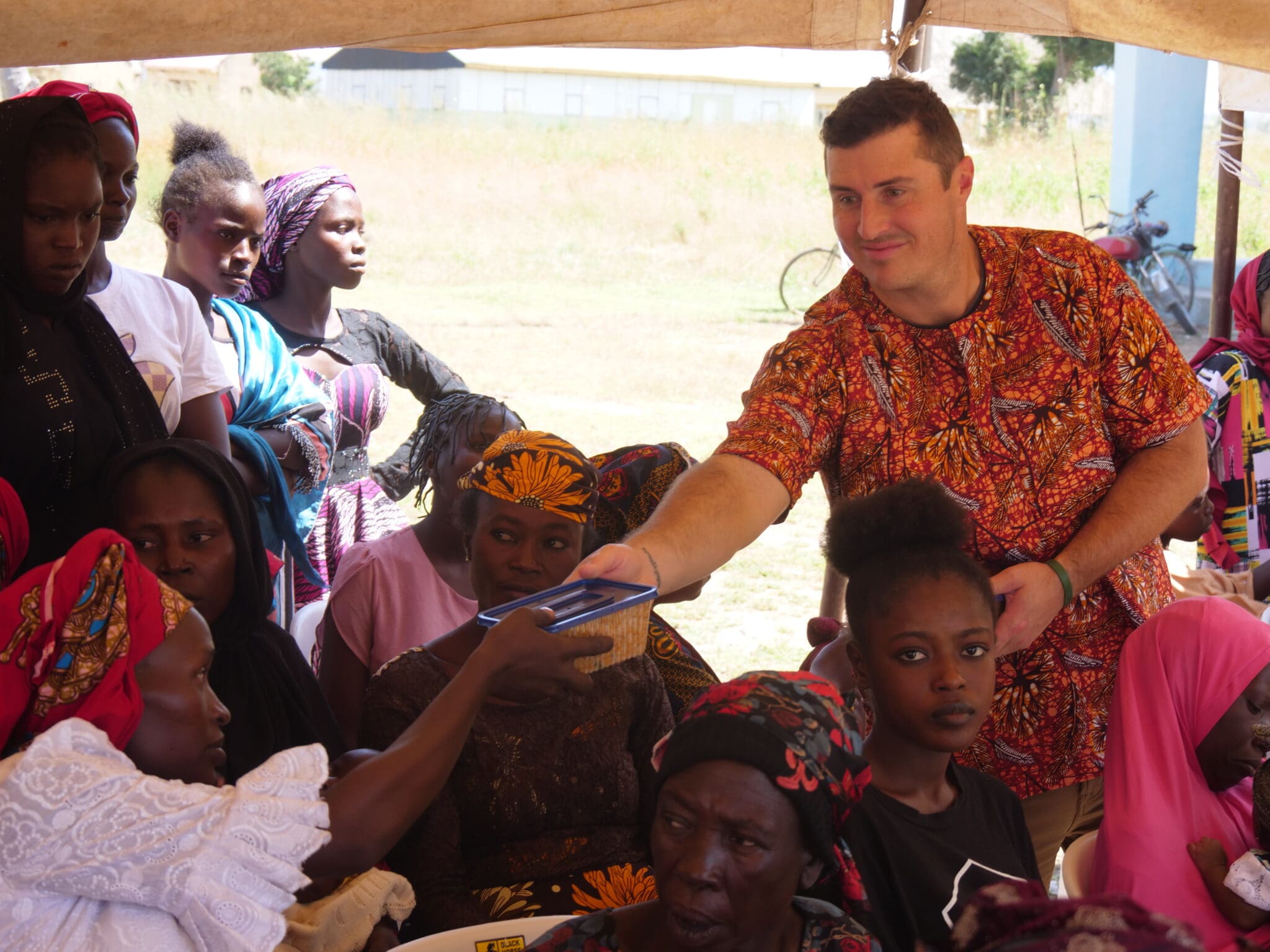
Ryan Miller didn’t expect to come home from Nigeria carrying faces he couldn’t forget.
Ryan lives in Dallas and is a Christian communicator whose work has connected hundreds of thousands of believers online. Over the past year, he has helped share the stories of persecuted Christians and amplify the work of Global Christian Relief. Recently, he traveled with GCR to Nigeria to see firsthand how persecuted believers are being served and supported on the ground.
During that trip, Ryan visited an IDP camp and spent time with Christians who had lost homes, family members, and any sense of safety because of their faith. What he encountered wasn’t only suffering. It was joy, forgiveness, and a depth of faith that unsettled his assumptions about what it means to follow Jesus.
That experience changed him. What had once felt distant became personal. Stories became names. A cause became family.
This is Part 1 of a two-part conversation with Ryan, focused on the encounters that marked him most deeply. The questions have been arranged for clarity, but his responses are shared largely in his own words as he reflects on the believers he met and the moments that reshaped his faith.
Global Christian Relief: Before traveling to Nigeria, how did you understand persecution – and how did that understanding begin to change?
Ryan Miller: This might not be the pretty answer, but that’s OK. My initial involvement with Global Christian Relief was more about using my platform than sharing life with persecuted believers. It was an issue I cared about in the same way I care about other good causes. It wasn’t personal yet. But once I started talking about it, it began to affect my heart. And once I saw it, I was forever changed.
I couldn’t go back after meeting Nancy and Philemon and Susan and all the others. I couldn’t go back to my hotel in Nigeria and lie on my bed without thinking about them sleeping on concrete floors.
When I got home, I remember waking up early, sitting outside, looking into my house, and I just started crying. It was the perspective – realizing what I’d been given – and at the same time, my heart was burning for Nigerian Christians.
It wasn’t ethereal anymore. It was personal. They were my friends. They were my family.
GCR: What stood out to you as you spent time with persecuted believers in Nigeria?
Ryan Miller: I didn’t know you could suffer that much and still have joy be such a present emotion and have both of those experiences exist together in such an extreme way.
I think, in my Western thinking, I assumed joy came from comfort. I wouldn’t have said it that way at the time, but I think that’s what I believed.
I also was really struck by the level of gratitude they carried, and the forgiveness they operated in. I kept thinking: How can you be so thankful when you have so little, and how can you be so forgiving when so much has been taken from you?
To see people who have very little, who have lost so much, and yet still possess so much joy and faith, that was really paradigm-shifting for me.
GCR: Was there a moment when the reality of persecution finally became real for you?
Ryan Miller: Yes. It was my first interview, with a woman named Gladys and her son, Miracle.
Gladys had been abducted by Boko Haram and taken into the bush for five years. She had lost two children who were conceived through rape, and Miracle was her third child, also conceived through rape. By the time I met her, she had lost much of her ability to speak.
I was in work mode at first. I was asking questions through an interpreter, and she didn’t say much. We prayed together, and then I walked away. I honestly thought I was OK.
Then one of the leaders put her hand on my shoulder and asked, “Are you OK?” And that was it. I just broke.
I think it was the moment when it all became real. It almost didn’t seem believable that someone could experience that much suffering. And at the same time, with others I was meeting, it was hard to understand how that level of suffering could exist alongside that much joy.
That was the first day. I remember calling my wife that night and saying, “I don’t know if I can do another week of this.” I had only been there one day, and it already felt overwhelming.
I was very aware of how uncomfortable I felt being there. I was nervous. I knew we were in a hostile area, and it felt heavy. But when I talked to the local leaders, there was no fear in them. None at all. What I saw was the love of Christ compelling them. They weren’t motivated by obligation or duty. They genuinely loved the people they were serving. That love was what drove them to stay, even when it was dangerous.
— Ryan Miller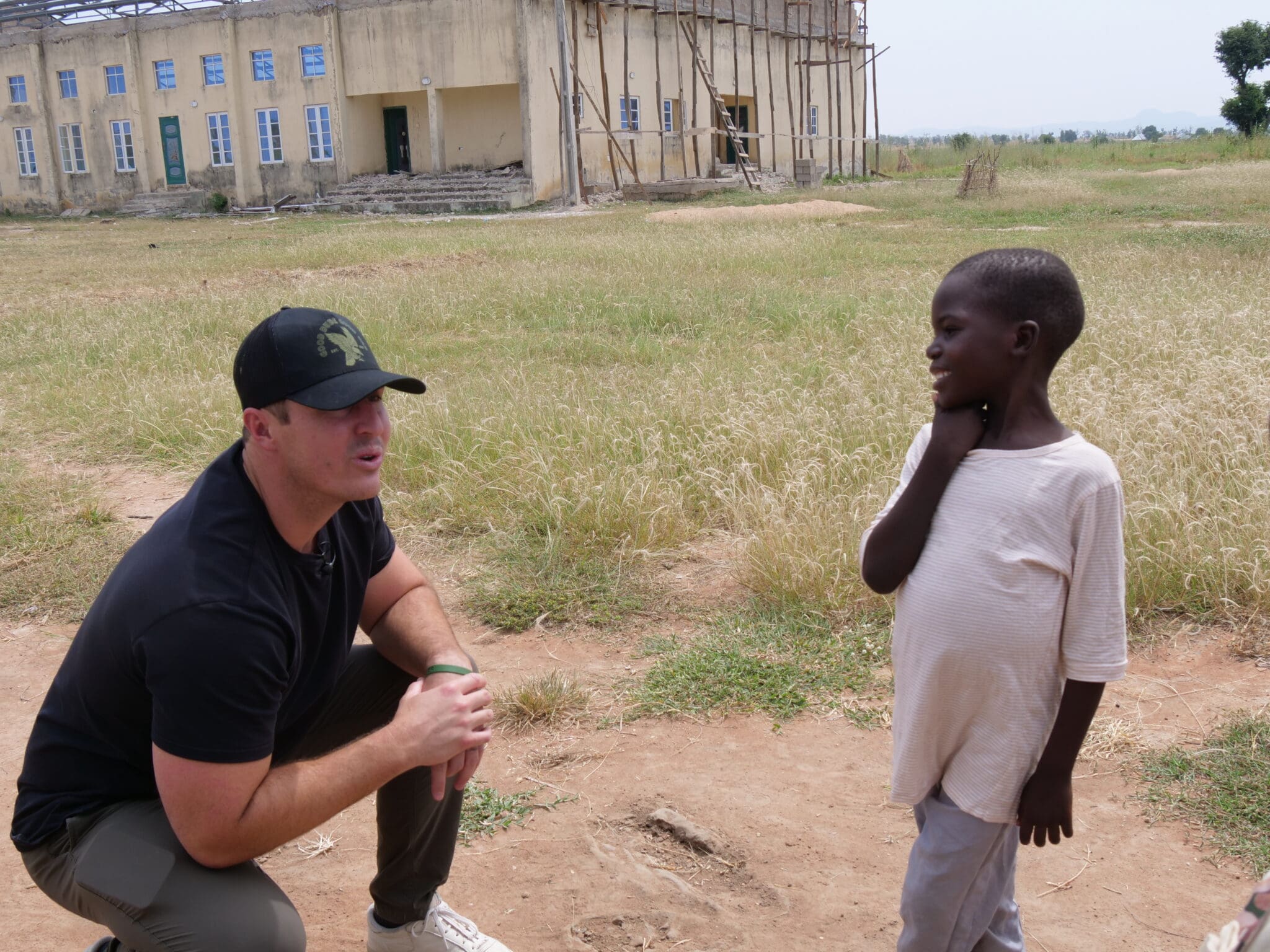
GCR: Was there another encounter that stayed with you in a different way?
Ryan Miller: One moment that really stays with me was with Nancy and Philemon. They were teenagers whose entire family had been killed, and both of them were severely burned.
Philemon hadn’t spoken for most of the interview. Nancy was doing almost all the talking. At one point, I asked her whether she had been able to forgive her attacker, who was her stepfather. She really struggled. I don’t remember her exact words, but it was something like, “I’m trying, but I don’t know that I can forgive.”
Then Philemon spoke up for the first time. And when he did, he didn’t just speak quietly. He really asserted himself. He said, “I forgive because Jesus has forgiven me.”
What struck me was that both responses were honest. Nancy wasn’t there yet, and that didn’t make her response wrong. Philemon’s response was inspiring, but Nancy was clearly wrestling. You could see she was trying to get there, but the pain of what had been done to her was so deep.
That moment stayed with me because it showed me how real their faith was. It wasn’t rehearsed. It wasn’t polished. It was honest, and it was costly.
GCR: What did you observe about the faith and courage of believers that challenged or inspired you personally?
Ryan Miller: What really stood out to me was the leaders on the ground.
I was very aware of how uncomfortable I felt being there. I was nervous. I knew we were in a hostile area, and it felt heavy. But when I talked to the local leaders, there was no fear in them. None at all.
What I saw was the love of Christ compelling them. They weren’t motivated by obligation or duty. They genuinely loved the people they were serving. That love was what drove them to stay, even when it was dangerous.
At first, I felt like a rookie. I was thinking, “This is really hard to see. This is really uncomfortable”. But listening to them, I started to understand it differently. Perfect love casts out fear, and that was exactly what I was seeing.
Now, instead of thinking, I don’t know if I could do this again, I find myself saying, I would absolutely go back. I would love to see them again. Their faith changed how I think about courage.
GCR: What are you still carrying emotionally weeks later from your time in Nigeria?
Ryan Miller: What I haven’t been able to shake are their eyes.
I think about how I was in Washington, D.C., just a couple of days ago, meeting with senators and leaders. And the reason I was in those rooms is because I talk to a camera from my safe home in Dallas. What I do is very safe.
I know I have a role, and I don’t dismiss that. But what they do feels different. It feels like a kind of courage I hadn’t fully understood before.
There was a moment with Susan when we danced together for a few seconds. She said to me, “We’ll dance together again in the Kingdom of God.” Later that night, I was lying in bed, and I felt like the Holy Spirit impressed something on me.
In the Kingdom, that moment will be a greater honor than being invited into any room of power here. Our sense of honor is still being reshaped. We don’t yet fully understand who is truly great in the kingdom of God.
That realization has stayed with me.
The encounters Ryan describes did not stay in Nigeria. They followed him home, reshaping how he listens, how he prays, and how he understands the Church.
In Part 2 of this conversation, Ryan reflects on what the persecuted church has to teach believers in freer contexts. He considers how their faith challenges common assumptions about strength and success, and why long-term faithfulness matters more than moments of attention.
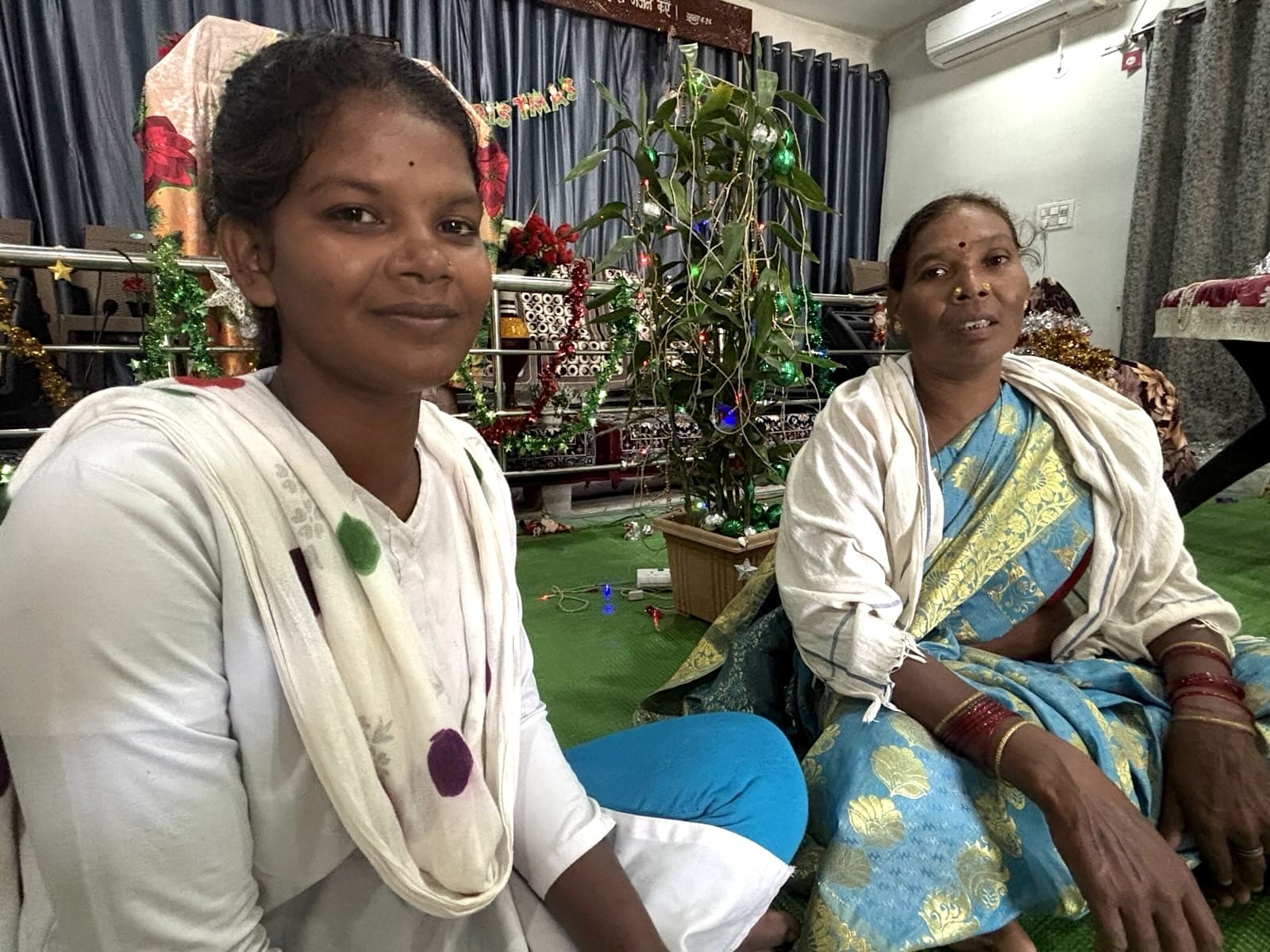
They are family, not just a cause Will you stand when it matters most?
We often treat persecution as a distant issue until we see the faces, like Sonia's. It’s time to move from sympathy to solidarity. Become a Frontline Partner today and ensure our persecuted family never faces the fire alone.
