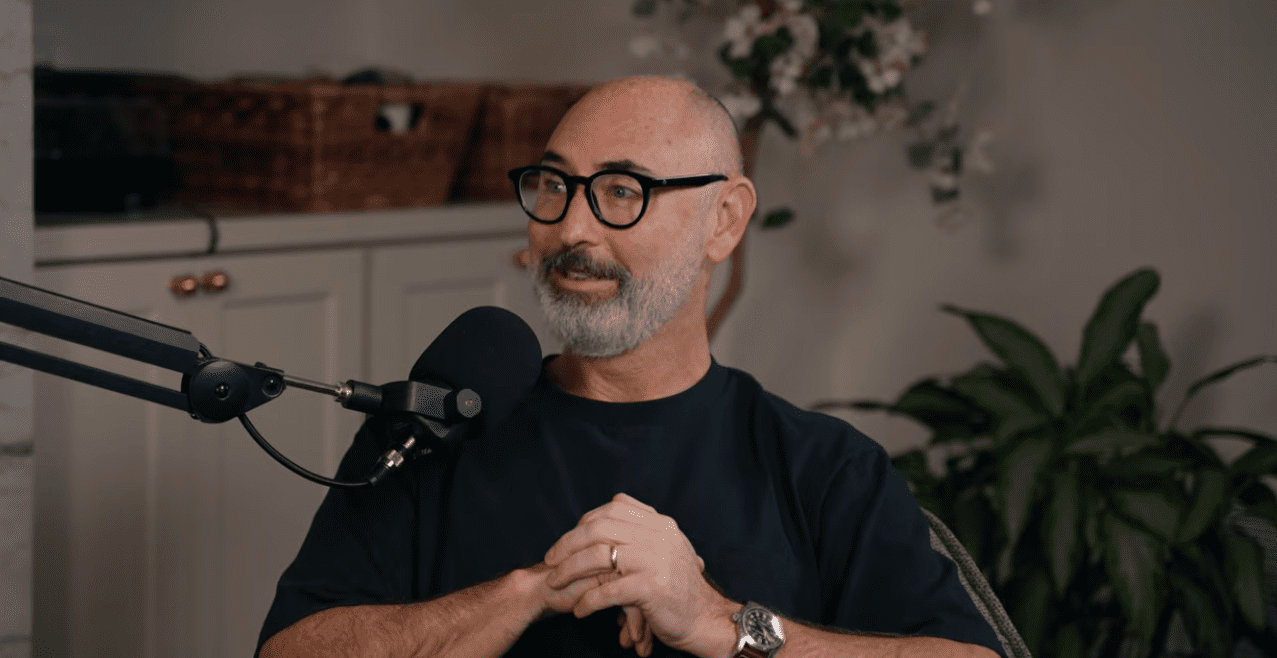
Brian Orme, the CEO of Global Christian Relief, recently joined host Ryan Miller on the Jesus People Podcast to talk about the persecuted church, and what changes when you stop keeping it at a safe distance.
In many places, following Jesus still carries real risk. Some believers can’t worship publicly, and some can’t even own a Bible without fear.
Brian said he understood our instinct to keep that reality at a distance. “I was a pastor and I wasn’t looking at the persecuted church,” he says. “I’d see things occasionally, but I held it at arm’s length. It felt too hard to look at. I thought it would be dark, and I might feel worse about my faith.”
But Brian said stepping closer didn’t produce what he expected. It didn’t leave him stuck in guilt. It revived him.
He described a season when his faith felt shaky. He said he wrestled with skepticism and doubts. Then, over time, meeting persecuted believers and learning their stories rebuilt something in him. And as he summarized what he’s seen again and again, Brian put it simply: “When you step into that, it unlocks something in your faith.”
If you want to hear Brian unpack that “unlock” moment in his own words, watch the full conversation below.
The Brightest Spots in the Kingdom
Brian’s point wasn’t “carry all of this.” It was simpler: Pay attention, and let it change you. Brian said engaging the persecuted church didn’t have to be guilt-driven or shameful. Instead, he said it often reveals something unexpected – joy.
“Yes, there are heavy parts, but I’ve had more joy,” Brian said. “I’ve laughed more with persecuted Christians, shared more meals and tea. It wasn’t what I expected.” Then he named the larger picture: “It isn’t only dark. It shows some of the brightest spots in the Kingdom today.”
And that’s where it stopped being “awareness” for him and became something shared. Brian described it as mutuality – an exchange in the Body of Christ.
“Someone [once told me] the persecuted church can become our spiritual mentors,” he said. “There’s a mutuality. We’re praying and supporting and asking people to give, but the flip side is we learn so much from their faith. We need them.”
If you’ve ever felt hesitant to engage because you assume it will only weigh you down, Brian’s point is the opposite: their faith can steady yours. Not through hype. Through lived obedience, costly trust, and a joy that doesn’t depend on comfort.
One of the simplest ways to step toward persecuted believers is also one of the most sustainable: prayer. You don’t have to learn everything at once. Start small. Pray for real people in real situations.
Yes, there are heavy parts, but I’ve had more joy. I’ve laughed more with persecuted Christians, shared more meals and tea. It wasn’t what I expected. It isn’t only dark. It shows some of the brightest spots in the kingdom today.
— Brian OrmeA Faithful Next Step: Pray
- Protection: Pray the Lord would guard believers who feel exposed and vulnerable.
- Resilience: Pray for courage and endurance, especially for isolated Christians.
- “Elbow room”: Pray for more freedom to practice faith publicly and without fear.
- A wave of prayer: Pray for greater generosity in prayer itself. Brian said many persecuted believers said they could feel the global Church praying, and it strengthened them.
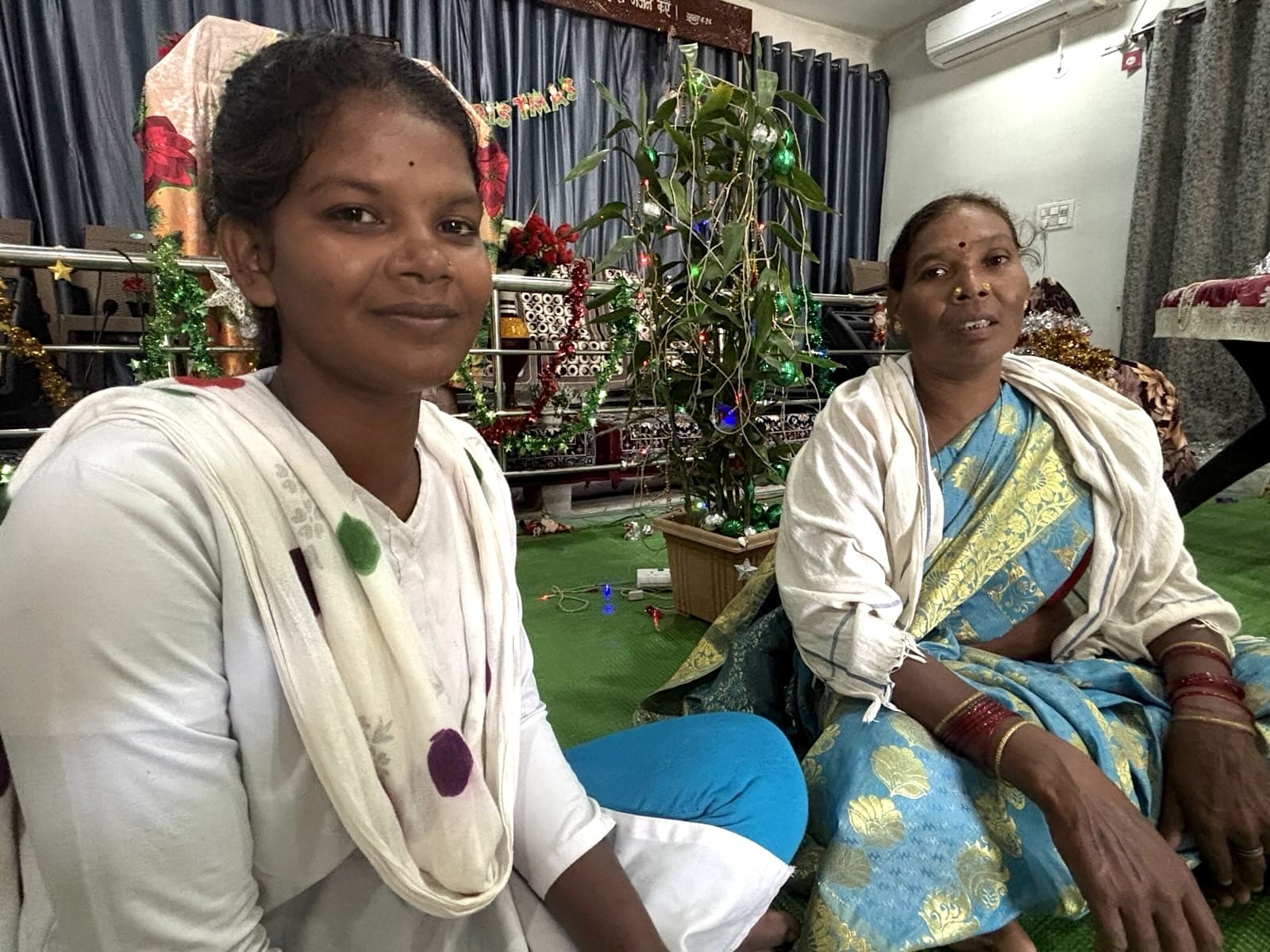
They are family, not just a cause Will you stand when it matters most?
We often treat persecution as a distant issue until we see the faces, like Sonia's. It’s time to move from sympathy to solidarity. Become a Frontline Partner today and ensure our persecuted family never faces the fire alone.