


 MY ACCOUNT
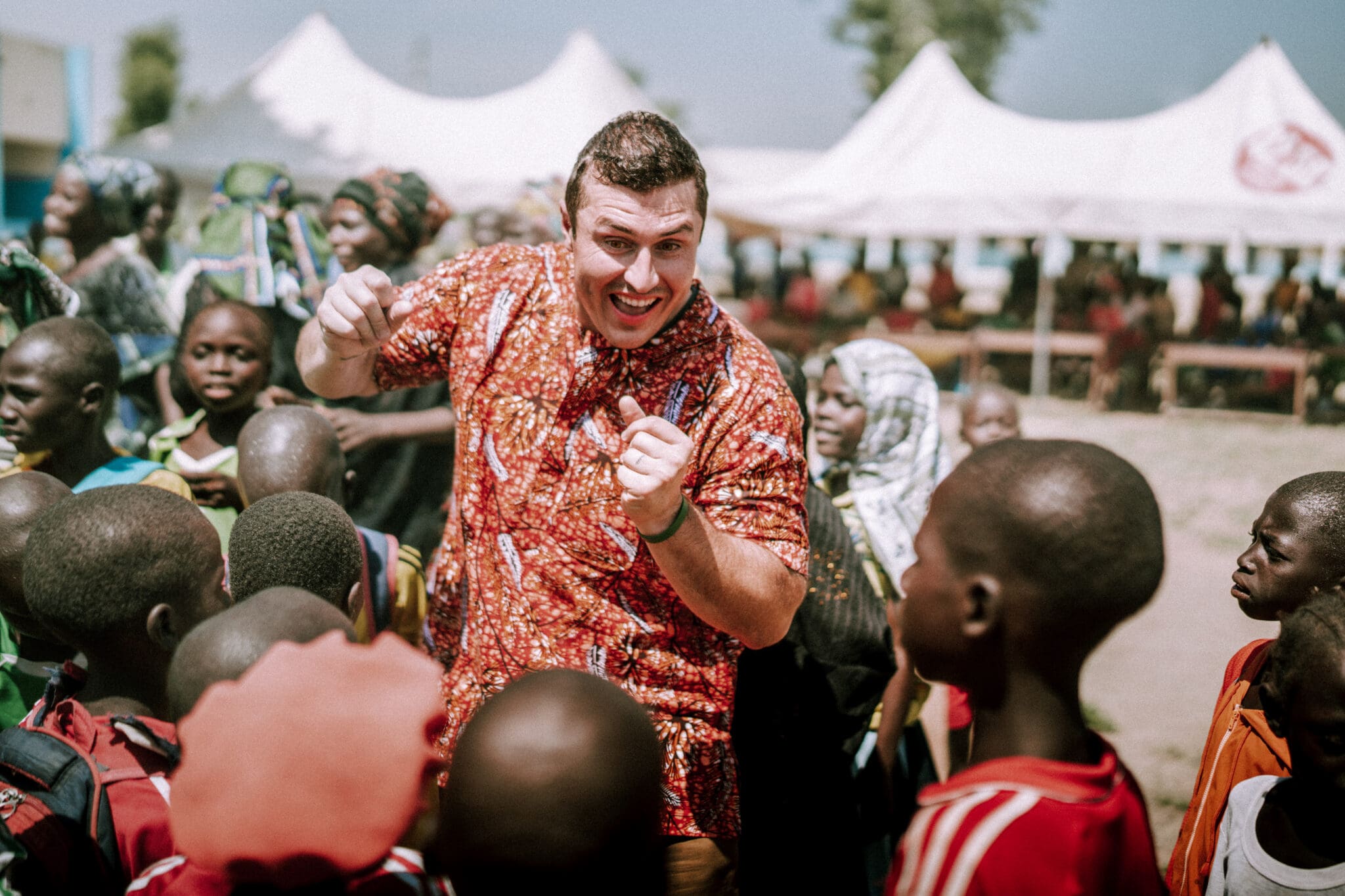
Some stories do not end when the journey does.
Ryan Miller’s time in Nigeria followed him home. The conversations he shared and the faith he witnessed continued to surface in prayer and reflection long after he returned. He had traveled with Global Christian Relief to see their work among persecuted Christians, but what he encountered raised questions that extended beyond the trip itself.
In Part 1, Ryan described the encounters that moved persecution from something distant to something deeply personal.
In Part 2, he reflects on what those encounters revealed. He considers what the persecuted church has to teach believers in freer contexts, and why long-term faithfulness and presence matter more than moments of attention.
Read part one of the conversation →
Global Christian Relief: How did this experience reshape the way you see the Church in America?
Ryan Miller: I wish more believers could understand what I’ve only now come to understand, because I’ve been in their rooms and I’ve seen their scars with my own eyes. They are very literally our spiritual brothers and sisters.
Before this trip, I cared. I believed in the work. But it lived in a different category for me. Now it doesn’t. This isn’t just a cause anymore. This is family.
[GCR CEO Brian Orme] said something to me that really stayed with me. He referenced Jesus’ words about the least of these brothers, and said he believes Jesus is talking about the persecuted church. I had never thought about it that way before.What changed for me is that this is no longer abstract. I’ve seen them. I’ve hugged them. I’ve danced with them. I’ve cried with them. Like the Apostle John says, what we have seen and touched, we testify to.
That’s what this has become for me. It’s real now.
GCR: How do you think the faith of persecuted believers could awaken or renew the church in America?
Ryan Miller: I think their faith can awaken greater faith in the Church here if their voices are actually heard.
That requires pastors, leaders, and people with influence to share their stories. If we really understood the value of their witness, I think we would talk about it much more openly.
There was a moment when I realized that our sense of honor is still shaped by power and proximity to influence. But in the kingdom of God, honor looks very different. The faithfulness of persecuted believers carries a weight we do not always recognize.
If the Church truly valued that kind of faith, I think it would reshape what we talk about and what we celebrate. And I don’t think it’s only that the persecuted church needs us. In many ways, we need them.
Scripture says iron sharpens iron. That kind of faith sharpens us. It exposes dullness in places we may not want to look, but it also invites renewal if we are willing to listen.
Scripture says iron sharpens iron. That kind of faith sharpens us. It exposes dullness in places we may not want to look, but it also invites renewal if we are willing to listen.
— Ryan MillerGCR: What did you notice on the ground that helped you understand why support for persecuted believers cannot just be short term?
Ryan Miller: I don’t know that it was just one thing I saw in the moment. It was more what I began to understand afterward.
There were people who had been working faithfully in Nigeria for a long time, long before the situation gained attention. When awareness finally increased and more voices started speaking up, the reason that support could actually land and make a difference was because the groundwork had already been laid.
I realized that if that infrastructure had not existed, the attention and resources coming in now would not have had anywhere to go. Long-term presence mattered before anyone was paying attention.
I also saw this later when I was in Washington, D.C. People from other persecuted regions came up to me asking for help. And I remember thinking, how did I end up in this position? The only reason was because I had a voice that reached people.
That helped me understand that consistency matters. You cannot build trust, care for people, or respond well in moments of urgency without faithful, ongoing commitment beforehand.
GCR: If you could tell Frontline Partners one thing about your Nigeria trip, what would it be?
Ryan Miller: I saw Gladys dancing. I danced with Gladys.
Gladys was the woman who had lost her ability to speak. She had experienced unimaginable trauma. And then one day, she showed up to a celebration and started dancing. I grabbed her hands and danced with her.
People were shocked. Leaders were asking, how is this woman dancing? She never expresses herself like this.
She was dancing because the IDP camp had become a village. And the reason it had become a village was consistency. There was consistent clean water. Consistent schooling. Consistent medical care. Consistent support over years.
This was not a one-time project. It was ongoing presence. It was faithfulness over time.
That is why monthly giving matters. Because consistency creates safety. And safety is what allowed Gladys to dance.
She was celebrating the fact that she was finally safe. And that safety did not come from one moment of help. It came from long-term support.
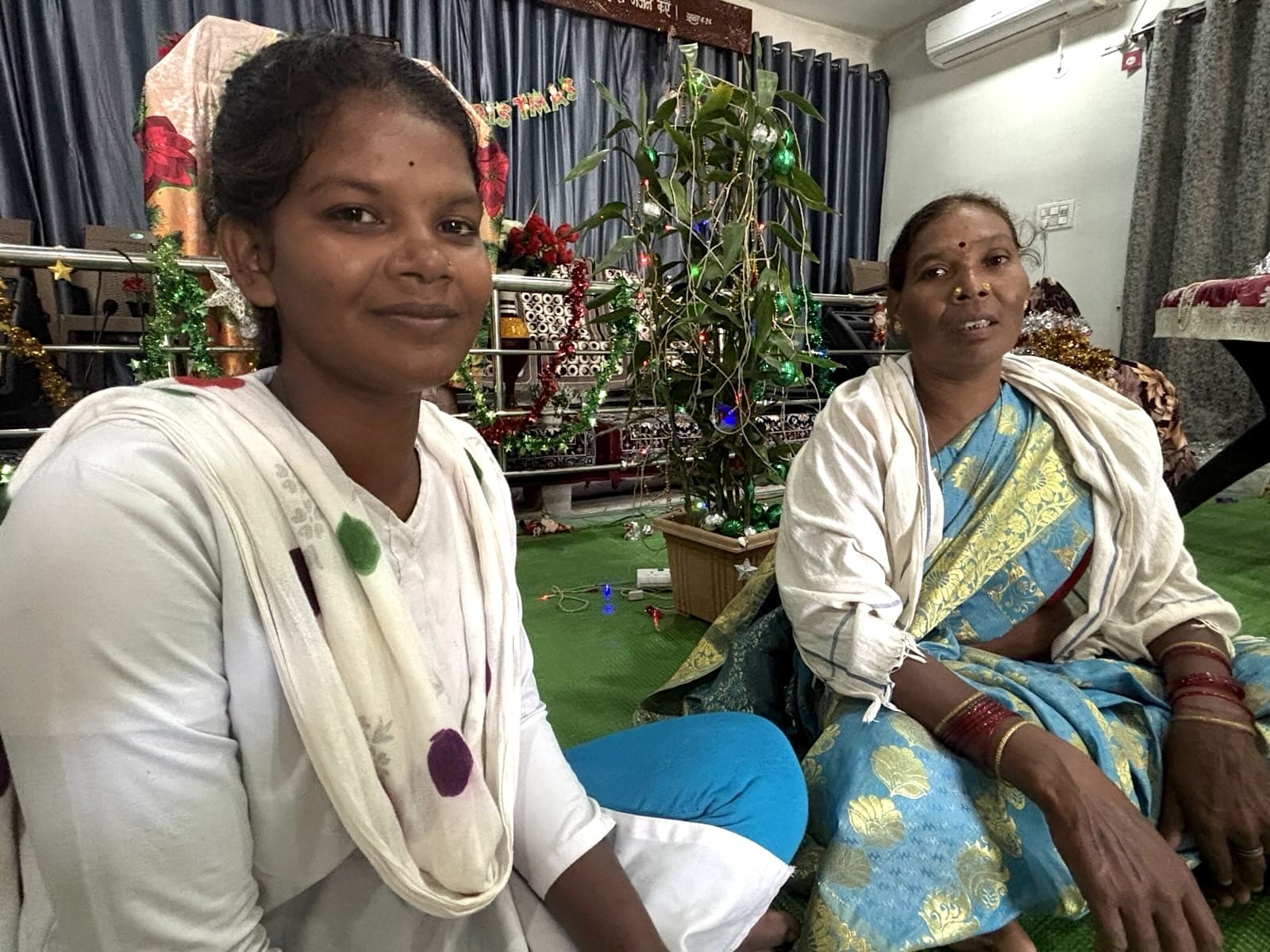
They are family, not just a cause Will you stand when it matters most?
We often treat persecution as a distant issue until we see the faces, like Sonia's. It’s time to move from sympathy to solidarity. Become a Frontline Partner today and ensure our persecuted family never faces the fire alone.
