


 MY ACCOUNT
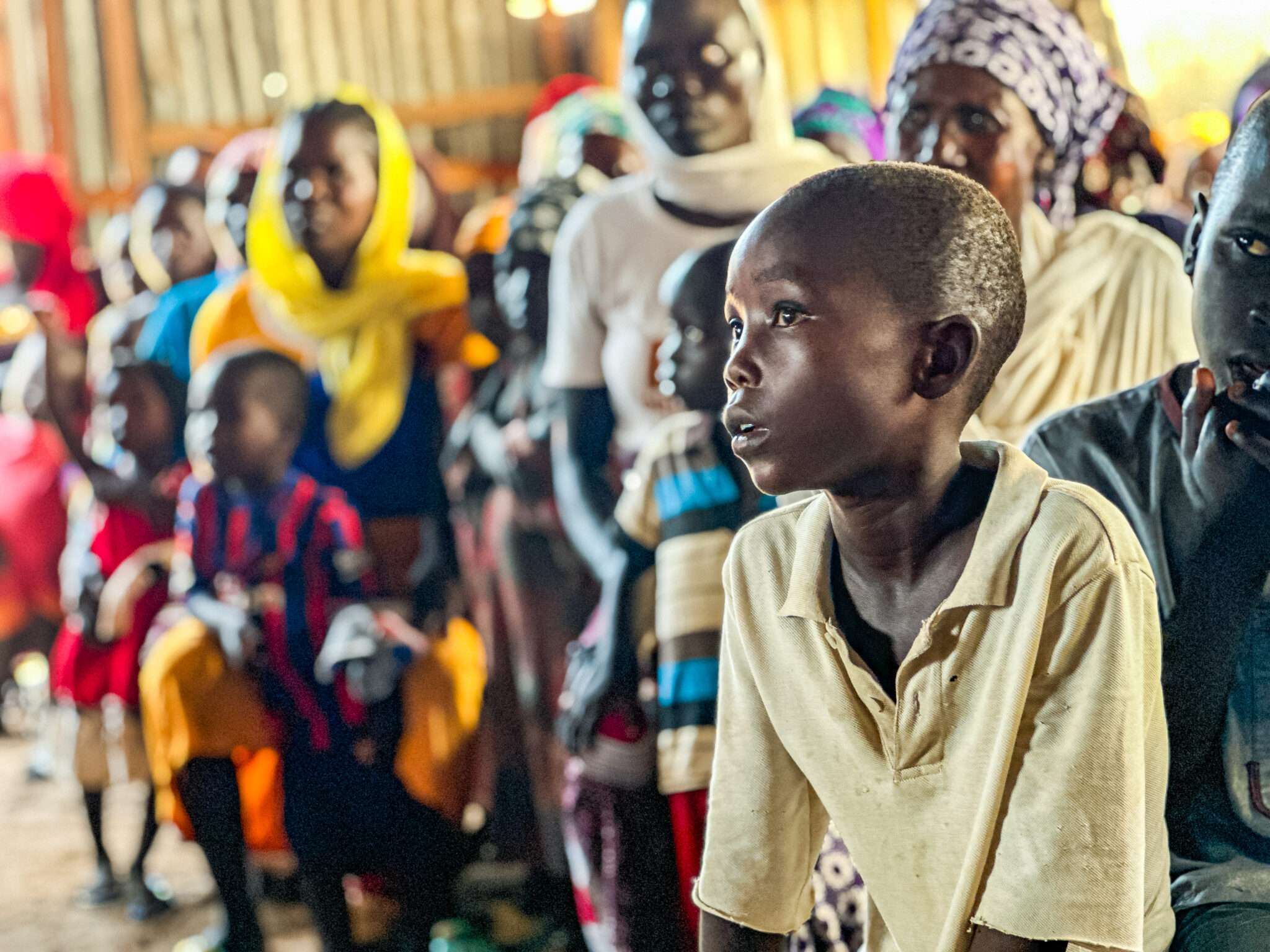
Nigeria is one of the most dangerous places to follow Jesus due to the widespread persecution of Nigerian Christians.
For Fatima, accepting Christ as her savior meant enduring trauma and abuse from her Muslim husband. For Deborah, remaining strong in her Christian faith meant undergoing two brutal years of captivity by Boko Haram. For Suzanne, having faith in Jesus has allowed her to forgive the terrorists who blinded her and murdered her father.
But these three inspiring women are far from being the only victims of the persecution of Nigerian Christians. As the New York Post reported, more than 52,000 Nigerian Christians have been murdered because of their faith since 2009.
“Not a day goes by when Christians are not terrorized in western Africa in the most grotesque ways imaginable,” a U.S. State Department spokesperson said in 2023. “Christians are killed for sport, especially Christian children. … The death tolls are routinely in the hundreds. Entire villages are burnt and pillaged. Thousands of churches have been destroyed. Children and women are hunted. Countless Christians have been kidnapped.”
And yet, despite the incredible persecution and dire state of religious liberty, Nigeria is on track to have the third-largest Christian population in the world by 2050.
What do we, as believers, need to know about Christianity in Nigeria? How can we pray for the faithful there who are persecuted?
Nigeria’s growing population and demographics
Nigeria is the most populous country in Africa and the seventh most populous country in the world. Its population is projected to grow from more than 186 million people in 2016 to 392 million in 2050, becoming the world’s fourth most populous country.
Nigeria is religiously diverse, with Islam and Christianity being the two dominant religions. In 2015, the Pew Research Center estimated that Nigeria’s population is 50% Muslim and 48.1% Christian, with approximately 2% of the population identifying with other or no religious groups. The northern region is predominantly Muslim, while the southern and central regions have a significant Christian population.
Introduction and spread of Christianity in Nigeria
Before British colonial rule, Nigeria was characterized by diverse societies, cultures and political systems organized into numerous states and kingdoms, each with its own system of governance. British rule influenced Nigerian society greatly through Western education, Christianity and the English language, all of which served to develop institutions, values and social norms.
Christianity first came to Nigeria in the 19th century when European missionaries arrived to make disciples and establish churches, schools and healthcare facilities across the country. Nigerians across the country gradually began to worship Jesus, aided by the translation of the Bible into local languages and the training of indigenous clergy members.
Modern-day persecution of Nigerian Christians
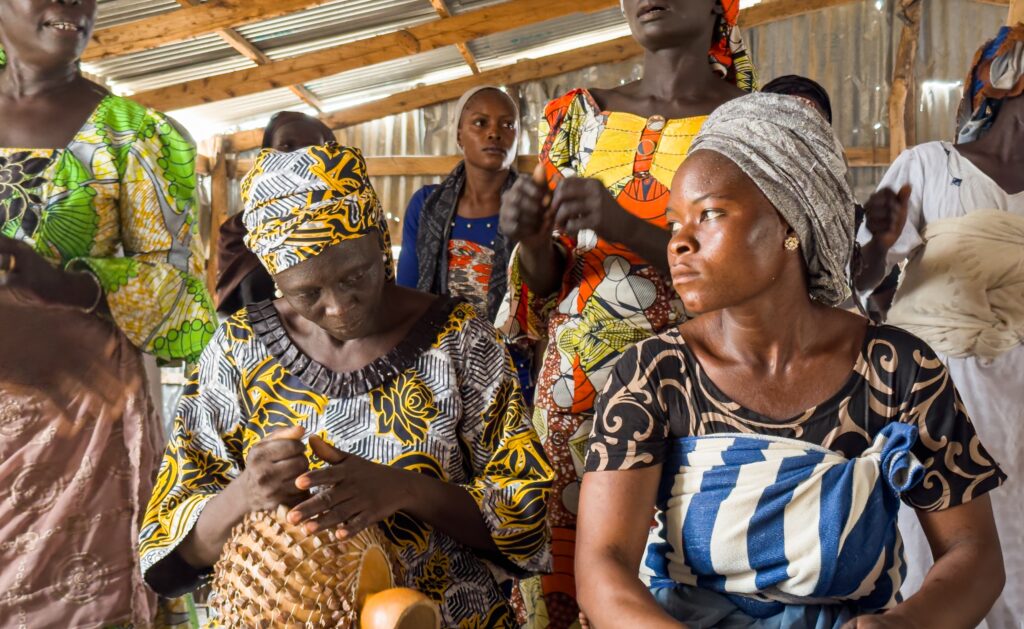
More believers are killed for their faith in Nigeria each year than in the rest of the world combined. Attacks on Christians are often brutal and can involve the destruction of properties, abductions for ransom, sexual violence and death. Many believers are stripped of their livelihoods and driven from their homes.
Intersociety, an organization based in Nigeria that reports on Islamist violence, released a shocking and heartbreaking report about the surging anti-Christian violence that continues to devastate Nigeria’s faith communities. Since the 2009 Islamic uprising, more than 52,000 Christians and 34,000 moderate Muslims have been murdered. Since 2009, 14 million Christians have been uprooted and forced to flee their homes and 800 Christian communities have been attacked. Former president Muhammadu Buhari’s radical Islamism has arguably led to the killing of more than 30,250 Christians and to attacks on 18,000 churches and 2,200 Christian schools since 2015.
Christians living in the Shariah states of northern Nigeria can also face discrimination and oppression as second-class citizens. If they convert from Islam, they suffer marginalization and rejection from their families that often end in death. In the north (and increasingly also in the south), many Christian women and girls are raped, forced into sexual slavery and forced marriages, kidnapped for ransom and even murdered.
Nigerian Christian organizations have called attention to the hardships and humanitarian crises caused by the persecution of Nigerian Christians. “If we cast a cursory glance at the present state of our nation, we are inclined to conclude that this seems to be the worst of times for our country in the areas of security and the economy,” said Lucius Ugorji, a local church leader.
Nigerian government response
Violence by Islamic extremist groups—such as Fulani militants, Boko Haram and the Islamic State in West African Province—increased during the presidency of Muhammadu Buhari. The government’s failure to protect Christians and punish perpetrators has only strengthened the militants’ influence. Since a new president, Bola Tinubu, was elected in May 2023, the conditions have not improved.
Writing for the Wall Street Journal in 2019, Bernard Henri Levy describes the aftermath of many massacres of horrific brutality too gruesome to relate in full detail. When notified of an attack, the local military often fails to respond, and arrests seldom occur. The stories of local believers tend to validate claims of government complicity.
Levy writes, “Village chief Sunday Abdu recounts [an] example, a 2017 attack on Nkiedonwhro. This time the military came to warn villagers of a threat. They ordered the women and children to take shelter in a school. But after the civilians complied, a soldier fired a shot in the air. A second shot sounded in the distance, seemingly in response. Minutes later, after the soldiers had departed, the assailants appeared, went directly to the classroom, and fired into the cowering group, killing 27.”
The new president Bola Tinubu has chosen as his vice president another Muslim. In previous administrations, the president and vice president represented both majority religions: Muslim and Christian. This has left him open to the accusation that he has little or no regard for the Christian community. Further, Tinubu has been accused of corruption, money laundering and operating more than a dozen foreign bank accounts.
In its official announcements, the government declares that it seeks an end to the violence, but concrete sustained initiatives are nowhere evident. Nigeria’s political leadership has been described as both incompetent and corrupt and almost entirely Muslim in their religious affiliation.
US government response
Since 2009, USCIRF—an independent, bipartisan, U.S. federal government commission that monitors the universal right to freedom of religion or belief abroad—has recommended that the State Department designate Nigeria as a “Country of Particular Concern” (CPC). “CPC” refers to a country that engages in or tolerates severe violations of religious freedom. Countries designated CPCs may be subject to diplomatic pressure, sanctions or other measures addressing the violations of religious freedom within their borders. Although the Trump administration designated Nigeria a CPC in 2020, the Biden administration removed the designation the following year.
Despite clearly increasing persecution of Nigerian Christians, Nigeria is still not considered a CPC.
Christian response and revival
Believers have responded in different ways to the attacks from Boko Haram and Fulani tribesmen. Most have fled dangerous areas while others have joined together to pressure the government and implore help from international organizations.
“Just like the early church, we are being persecuted,” Nigeria church leader Benjamin Kwashi said in a 2018 interview. He added that Christians must not give up on the gospel. “We must not be afraid or lose confidence, but plow ahead with mission in the midst of persecution. … Outside of Jesus, your own courage will fail you. When you see the gospel at work saving lives, you count your suffering for nothing.”
Victor Oladokun of the Christian Broadcasting Network has argued that Nigeria is experiencing a revival. “We’re seeing mass conversions among predominantly Muslim populations and even in other communities where they’re neither Christian nor Muslim,” he said. “What happens in Nigeria politically, economically and spiritually, affects the rest of the continent. There’s a purpose behind all this revival and it wouldn’t surprise me if Nigeria becomes the greatest missionary sending nation in the 21st century.”
What Global Christian Relief is doing
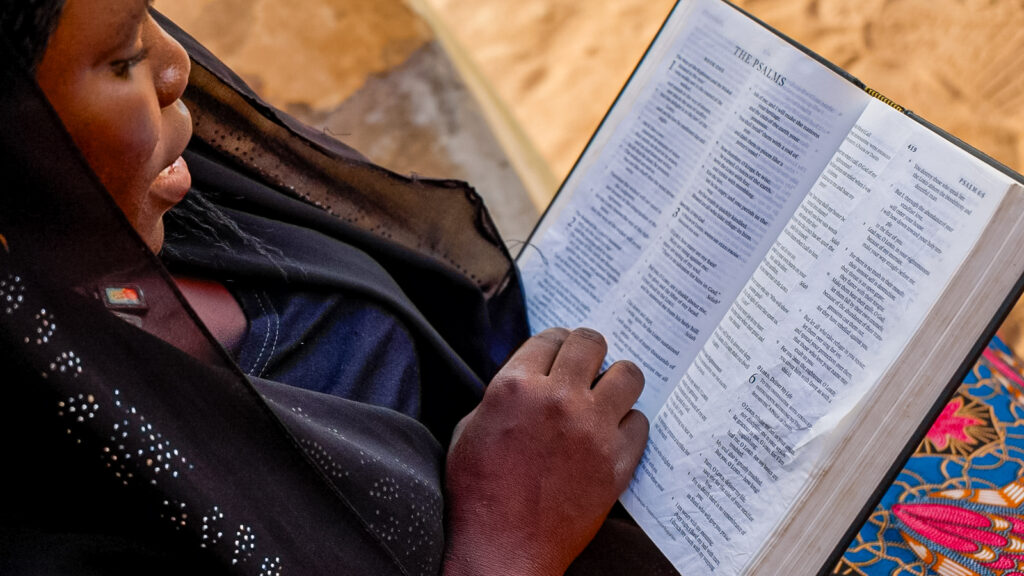
Through your support, Global Christian Relief is making a difference against the persecution of Nigerian Christians and serving the persecuted church. GCR makes regular visits to camps throughout northern Nigeria, providing prayer, counseling, Bible study and assessment of needs. Our team also runs youth camps where young people receive counseling, skills training, discipleship, medical care and access to enrichment activities.
Our partners on the ground oversee income-generating projects for eighty Nigerian Christian women, including small shops, tailoring, jewelry making, animal care and more. They provide financial support that includes microloans, sponsoring educational opportunities and medical debt relief. Additionally, GCR partners with organizations providing trauma counseling and discipleship to those in need.
A prayer to end the persecution of Nigerian Christians
Join believers in Nigeria in prayer:
Dear Heavenly Father, we pray for Your persecuted church in Nigeria. We ask that Christian leaders would discern Your will regarding the right responses to Islamist violence. Help Christians to pray for Muslims, especially for You to reveal Yourself to them in visions and dreams.
Raise up Bible studies and churches in camps for displaced people and help believers to advance the gospel in the midst of persecution. Let Your people experience Your presence and open their eyes to every available resource.
Be with those who are abducted and forcefully converted to Islam. Give them the strength to persevere in their faith.
Guide the response of the U.S. government to encourage the Nigerian government to prioritize the protection of our vulnerable brothers and sisters.
We pray that Your church would, “in the midst of severe suffering,” experience “the joy given by the Holy Spirit,” as 1 Thessalonians 1:6 says. In Your name, we pray. Amen.

Vulnerable Christians face increasing levels of persecution, not only in Nigeria but all around the globe. Become a Frontline Partner today and your monthly, recurring gift can provide emergency relief and long-term support—plus Bibles, safe shelter, trauma counseling, medical aid, food and more for those in dire need.
