


 MY ACCOUNT
On the night before His crucifixion, Jesus warned His disciples of His death and resurrection and instructed them on how to live after His ascension into heaven. “A new command I give you: Love one another,” says John 13:34-35. “As I have loved you, so you must love one another. By this everyone will know that you are my disciples, if you love one another.”
Love, compassion and mercy are core to the Christian life. As Micah 6:8 says, “He has shown you, O mortal, what is good. And what does the Lord require of you? To act justly and to love mercy and to walk humbly with your God.”
By following God’s commands in helping the poor and the persecuted, Christians demonstrate not only our love for those in need, but also God’s heart for the needy. We see these instructions in many passages throughout the Bible, not only in the words of Jesus, but also in the letters from Paul and the Hebrew Scriptures.
Our core tenets at GCR include addressing deep-rooted causes of Christian persecution, helping the poor and ensuring the survival of those in need through tangible assistance. We invite you to join us in praying for our brothers and sisters living in poverty and giving to those who need it most.

Persecuted children in Nigeria receive clean water from a new well
The Christian faith requires helping the poor
“Religion that God our Father accepts as pure and faultless is this: to look after orphans and widows in their distress and to keep oneself from being polluted by the world,” says James 1:27. The author continues in James 2:15-17, “Suppose a brother or a sister is without clothes and daily food. If one of you says to them, ‘Go in peace; keep warm and well fed,’ but does nothing about their physical needs, what good is it? In the same way, faith by itself, if it is not accompanied by action, is dead.”
Similarly, Paul writes in 1 Corinthians 13:1, “If I speak in the tongues of men or of angels, but do not have love, I am only a resounding gong or a clanging cymbal.”
Truly following the way of Jesus involves more than saying the right words or having the correct beliefs. It requires loving the most vulnerable among us through actions of generosity.
Serving “the least of these” is serving God
We know from passages such as Isaiah 58:6-8 and Zechariah 7:8-10 that God is close to the poor and needy, commanding His followers to “share your food with the hungry and to provide the poor wanderer with shelter,” as Isaiah 58:7 says.
In Matthew 25:31-46, Jesus explains that His followers are required to care for the poor, just as God’s people were commanded to do in the Hebrew Scriptures. Those who help “the least of these” among them will inherit the Kingdom of Heaven and be declared righteous, having served Jesus by helping the poor and vulnerable. Those who refuse will be told to depart from Him.
“When the Son of Man comes in His glory, and all the angels with Him, He will sit on His glorious throne. All the nations will be gathered before Him, and He will separate the people one from another as a shepherd separates the sheep from the goats. He will put the sheep on His right and the goats on His left.
“Then the King will say to those on His right, ‘Come, you who are blessed by my Father; take your inheritance, the kingdom prepared for you since the creation of the world. For I was hungry and you gave me something to eat, I was thirsty and you gave me something to drink, I was a stranger and you invited me in, I needed clothes and you clothed me, I was sick and you looked after me, I was in prison and you came to visit me.’ Then the righteous will answer Him, ‘Lord, when did we see you hungry and feed you, or thirsty and give you something to drink? When did we see you a stranger and invite you in, or needing clothes and clothe you? When did we see you sick or in prison and go to visit you?’ The King will reply, ‘Truly I tell you, whatever you did for one of the least of these brothers and sisters of mine, you did for me.’
“Then He will say to those on His left, ‘Depart from me, you who are cursed. … For I was hungry and you gave me nothing to eat, I was thirsty and you gave me nothing to drink, I was a stranger and you did not invite me in, I needed clothes and you did not clothe me, I was sick and in prison and you did not look after me. … Truly I tell you, whatever you did not do for one of the least of these, you did not do for me.’ Then they will go away to eternal punishment, but the righteous to eternal life.”
—Matthew 25:31-46
Everyone is called to give generously
Although many passages in Scripture call the rich to share their wealth with the less fortunate, Jesus is clear that we are all called to be generous, not just those we might think of as wealthy. 1 Timothy 6:17-19 says, “Command those who are rich in this present world … to put their hope in God, who richly provides us with everything for our enjoyment. Command them … to be generous and willing to share.”
Yet, in the Book of Mark, Jesus demonstrates that generosity is for everyone. In Mark 12:41-44, He observes rich people throwing large amounts of money into the temple treasury. But when He sees a poor widow giving only a few small coins, He declares to His disciples, “Truly I tell you, this poor widow has put more into the treasury than all the others. They all gave out of their wealth; but she, out of her poverty, put in everything—all she had to live on.”

A persecuted Christian in India receives aid from GCR
Examples of helping the poor in the early church
Soon after Jesus’ death and resurrection, His followers gathered to form what we now call the early church. “They devoted themselves to the apostles’ teaching and to fellowship, to the breaking of bread and to prayer,” according to Acts 2:42.
But while they were dedicated to community and discipleship, they were also concerned with material needs and caring for those who were lacking in basic necessities. “All the believers were together and had everything in common,” Acts 2:44-45 says. “They sold property and possessions to give to anyone who had need.” Verse 47 concludes, “the Lord added to their number daily those who were being saved.”
By meeting each other’s physical needs, these Christians were able to meet their spiritual needs as well and follow in Christ’s example. Even as they were experiencing persecution, these believers prioritized the well-being of those around them.
Similarly, Paul invoked a teaching of Jesus in Acts 20 while speaking to the elders at the church in Ephesus. “In everything I did, I showed you that by this kind of hard work we must help the weak, remembering the words the Lord Jesus Himself said: ‘It is more blessed to give than to receive,’” says Acts 20:35.

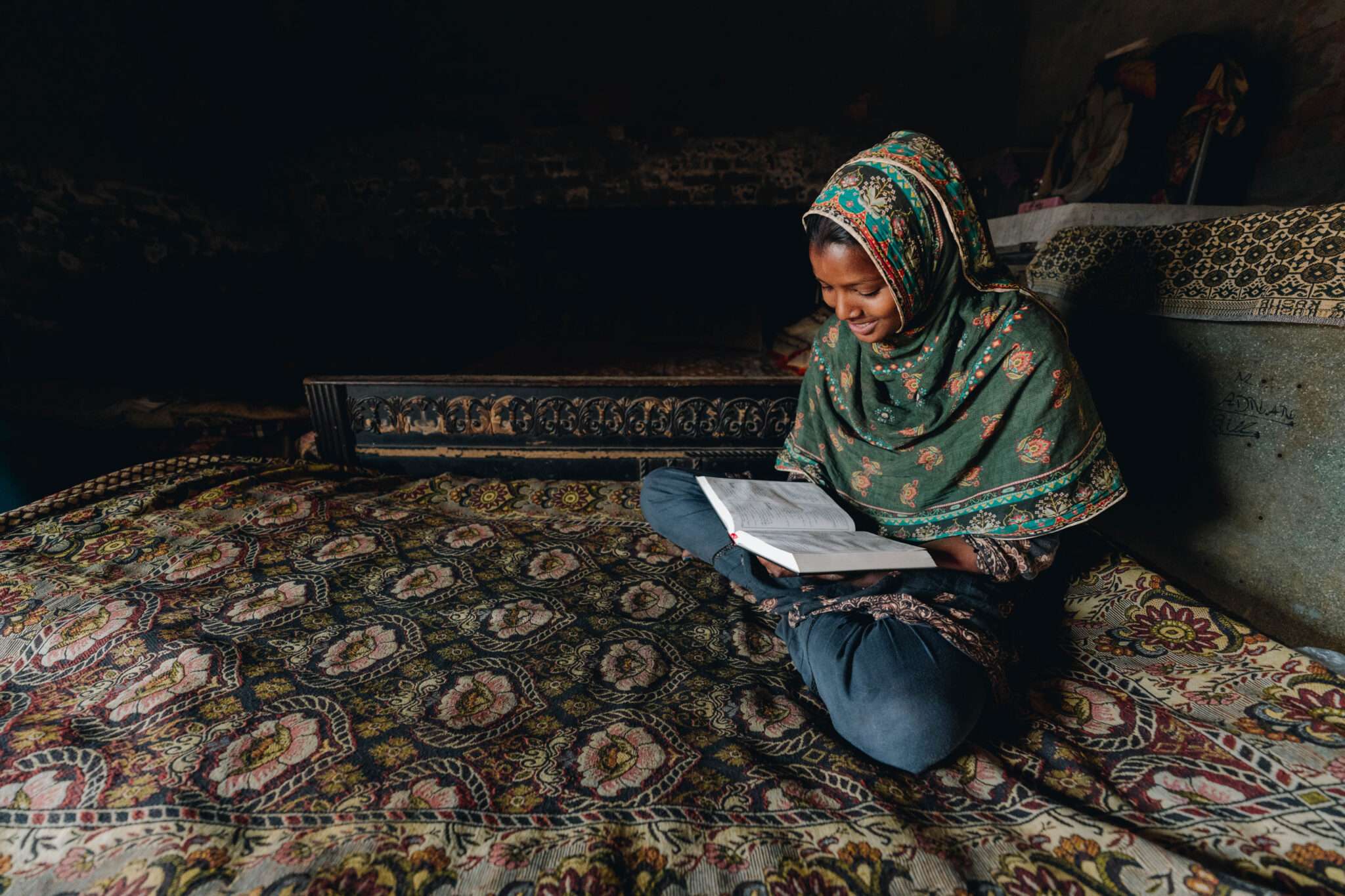
A persecuted Christian woman in Nigeria
Helping the poor is pleasing to God
Proverbs 19:17 indicates that God blesses those who help the poor: “Whoever is kind to the poor lends to the Lord, and He will reward them for what they have done.” Psalm 41:1 similarly states, “Blessed are those who have regard for the weak; the Lord delivers them in times of trouble.”
We know that God always called on His people to bless those in need. He has great compassion for the poor, and He expects that those who pursue Him will follow in His lead. As Hebrews 13:16 says, “do not forget to do good and to share with others, for with such sacrifices God is pleased.”
Yet, as the example of the church in Acts shows, helping the poor is more than simply giving money, clothing or food to those in need, although we are called to do these things. These believers demonstrated that following the way of Jesus requires welcoming the poor into our midst and identifying with them. We’re called to be kind, not looking down upon the poor or treating them as means to our own spiritual blessings.
God’s love for the poor—and warnings for the rich
The New Testament is clear that the poor are not only close to Jesus’ heart, but are chosen and blessed by Him. “Blessed are you who are poor, for yours is the kingdom of God,” Jesus said in Luke 6:20. James echoes this sentiment in James 2:5: “Has not God chosen those who are poor in the eyes of the world to be rich in faith and to inherit the kingdom He promised those who love Him?”
The poor are not beneath us. In fact, Jesus often had harsh words for the wealthy, telling a rich young ruler in Matthew 19:21 to “sell your possessions and give to the poor, and you will have treasure in heaven,” and continuing in verse 24, “it is easier for a camel to go through the eye of a needle than for someone who is rich to enter the kingdom of God.”
“We love because He first loved us,” 1 John 4:19 says. Helping the poor is central to the Christian faith. Give generously to the poor, the oppressed, the hungry, the needy and the persecuted, because God’s love for us and for those in need is greater than we can comprehend. By this, the world will know that we are God’s followers.
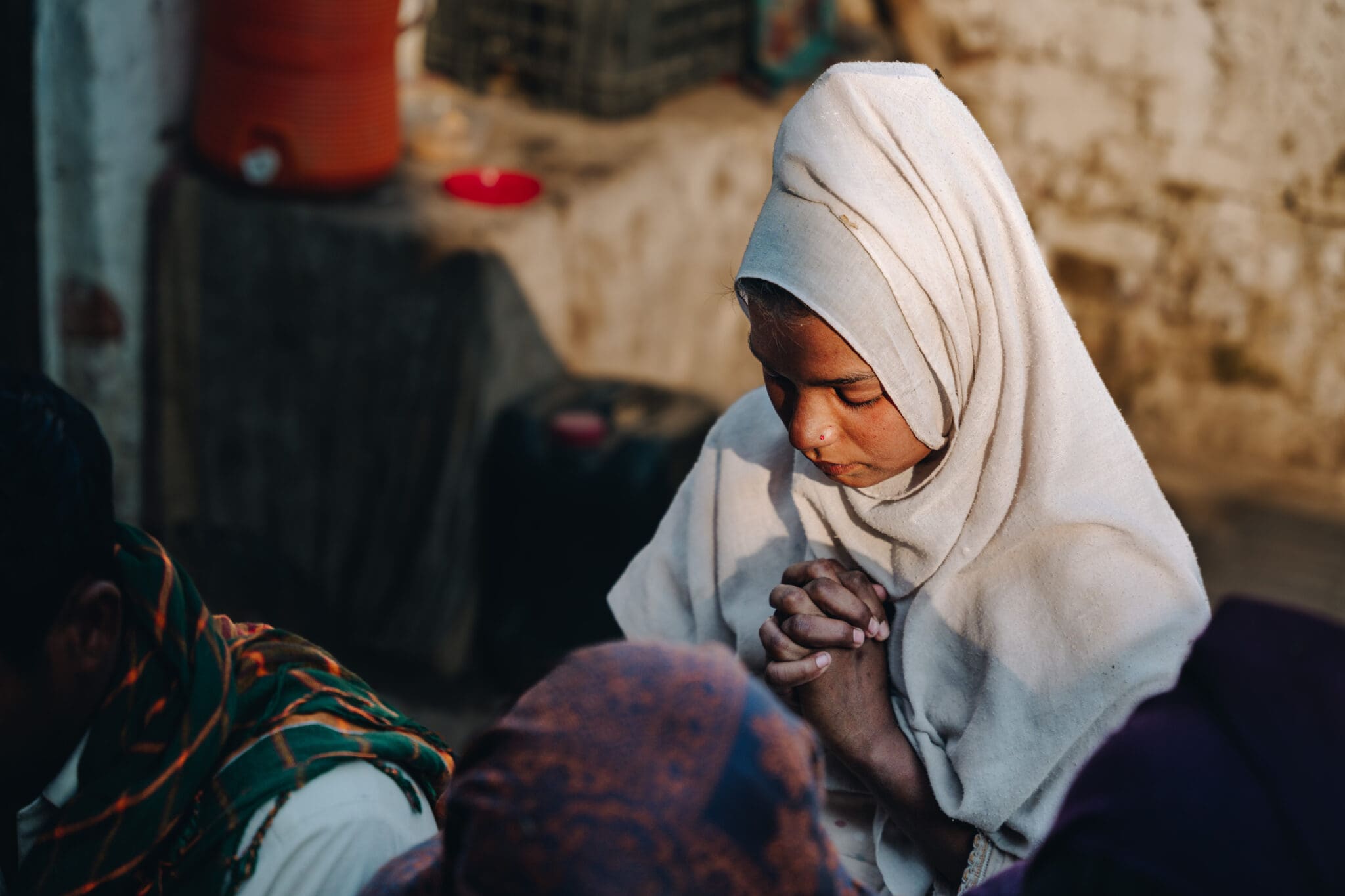
Vulnerable Christians face increasing levels of poverty and persecution all around the globe. You can help by sending aid to believers in need. Your recurring gift will strengthen the faithful as they spread the gospel in some of the darkest places on Earth. Each month, you can help meet these critical needs as they arise, including emergency relief: food, spiritual support, vocational assistance, community aid and more.
